Complete Millet Recipe Guide: Health Benefits, Nutrition & Easy Indian Recipes
Looking for healthy millet recipes that are simple, tasty, and easy to make at home?
In this guide, I’m sharing some of my favorite millet recipes along with their health benefits and cooking tips. I’ve been using millets in my daily cooking for a long time, and they have become my go-to option for healthy and traditional meals.
I’ve personally tested and cooked with different millet varieties for years, and I want to share why millets have become my go-to ingredient for healthy home cooking. Whether you’re looking for weight loss recipes, gluten-free options, or traditional Indian breakfast ideas, this guide covers it all.
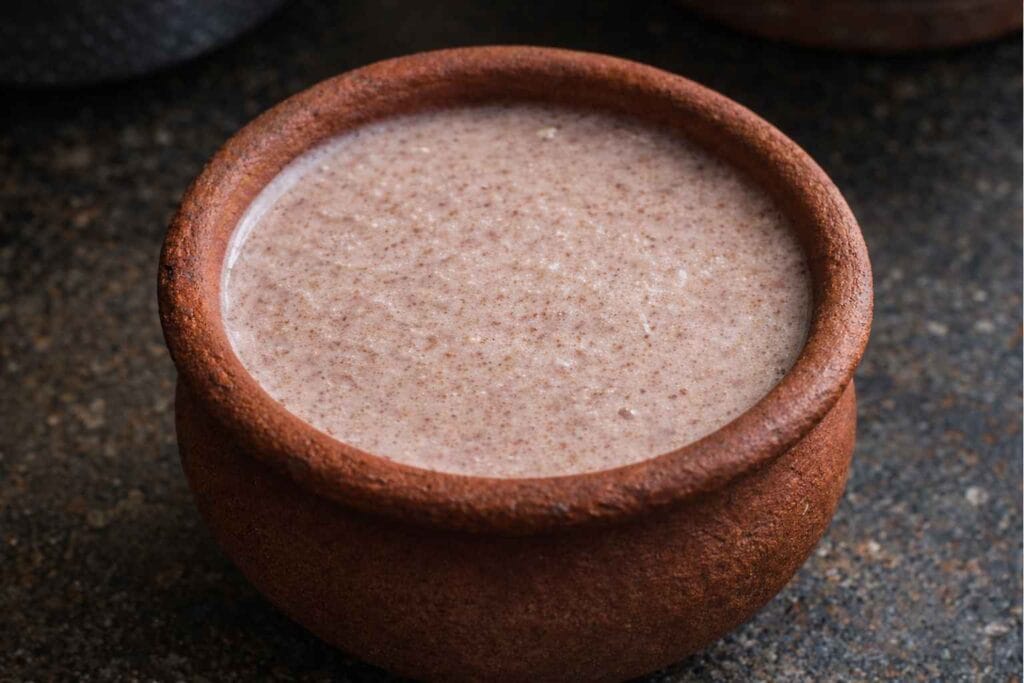
What Are Millets? Types & Nutritional Value
Millets are small grains that have been used in Indian cooking for many years, especially in South Indian homes. They are simple, natural, and packed with nutrition, which is why many people are now including them again in their daily diet.
Common types of millets include ragi, jowar, and bajra, which are widely used in traditional recipes.
Why are millets called “superfoods”?
Unlike wheat and rice, millets are:
- Highly nutritious: Rich in fiber, protein, minerals, and B vitamins
- Gluten-free naturally: Safe for celiac disease and gluten sensitivity
- Low glycemic index: Don’t spike blood sugar like refined grains
- Drought-resistant: Require less water, making them sustainable
Types of Millets Commonly Used in Indian Cooking
1. Ragi (Finger Millet)
- Appearance: Small, dark brown or reddish grains
- Taste: Mild, slightly earthy
- Common uses: Porridge, dosa, idli, brownies
- Best for: Weight loss, calcium, bone health
- My favorite: Fermented ragi drink for digestion
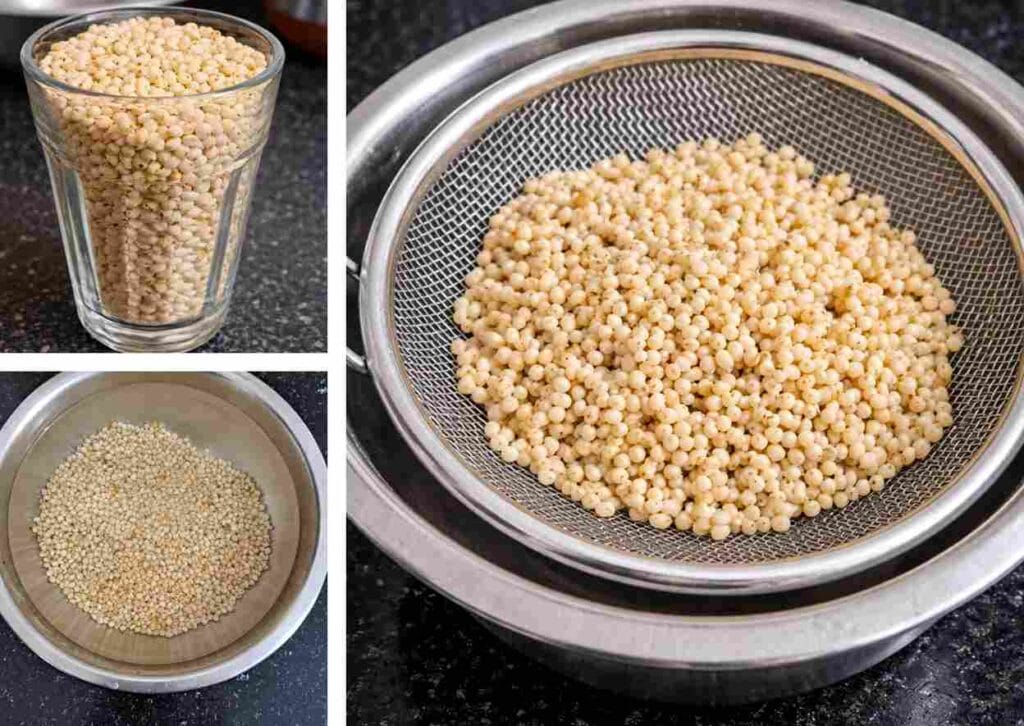
2. Jowar (Sorghum)
- Appearance: Large, round, pale yellow or white grains
- Taste: Mild, slightly sweet
- Common uses: Dosa, upma, rice substitute
- Best for: Diabetics, gluten-free diet
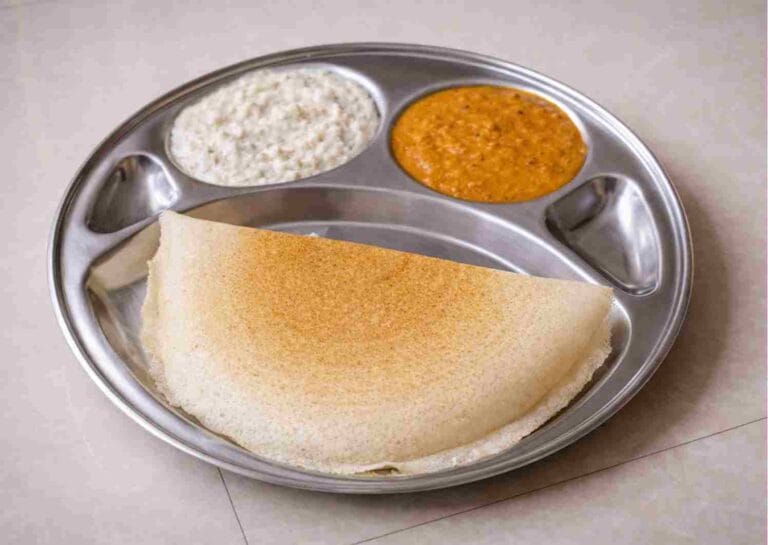
- My favorite: Jowar dosa for quick breakfast
3. Bajra (Pearl Millet) – The Summer Grain
- Appearance: Small, gray-colored grains
- Taste: Slightly nutty
- Common uses: Roti, porridge, khichdi
- Best for: Summer eating (cooling properties)
- My favorite: Bajra roti with winter vegetables
4. Karuppu Kavuni (Black Rice) – The Antioxidant
- Appearance: Black or dark purple rice grains
- Taste: Slightly earthy, nutty
- Common uses: Rice substitute, brownies, payasam
- Best for: Antioxidants, eye health
- My favorite: Karuppu kavuni brownie
5. Kollu (Horse Gram) – The Protein Powerhouse
- Appearance: Small, brown lentil-like grains
- Taste: Slightly bitter (acquired taste)
- Common uses: Rasam, idli, porridge (kanji)
- Best for: Weight loss, iron content
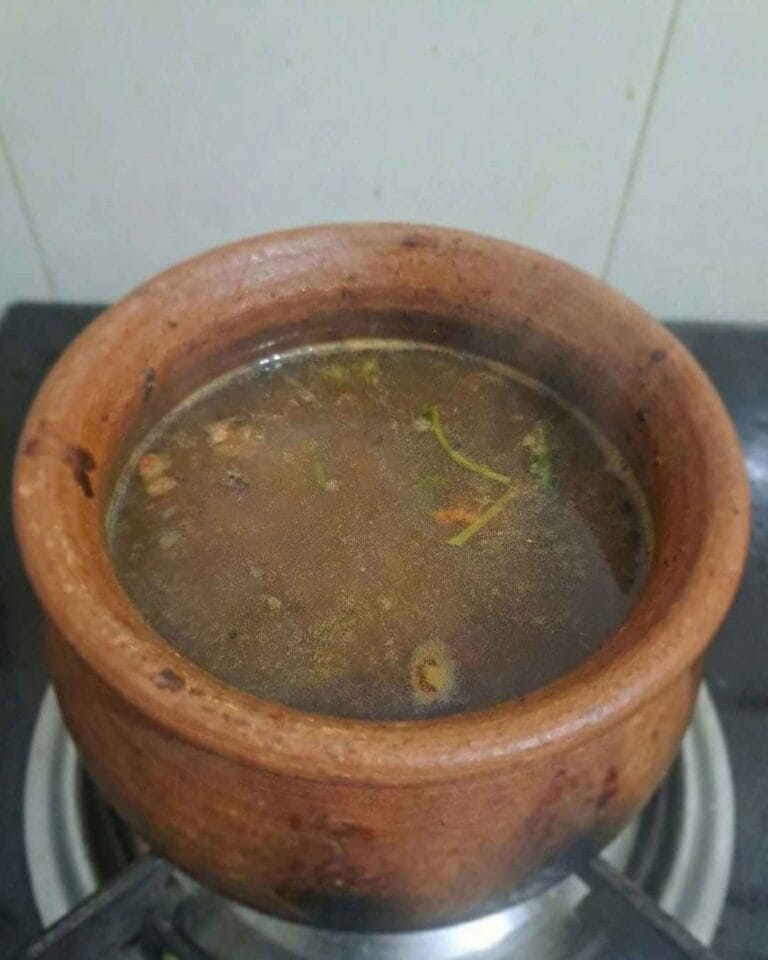
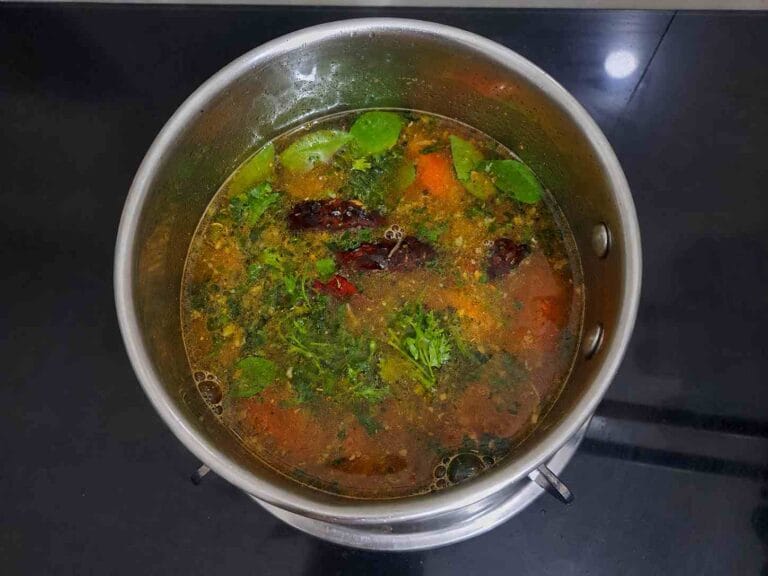
- My favorite: Kollu rasam for digestion
Note: Kollu (horse gram) is technically a pulse, not a millet. However, it is included here because of its similar health benefits and common use in South Indian healthy recipes.
Health Benefits of Healthy Millet Recipes
1. Weight Loss & Metabolism Boost
If you are trying to lose weight, millets can really help. I’ve personally noticed that they keep me full for longer and reduce unnecessary snacking.
- High in fiber: Keeps you full longer, reducing overeating
- Low calories: Fewer calories than wheat or white rice
- Low glycemic index: Prevents blood sugar spikes that trigger hunger
- Good protein content: Helps build and maintain muscle
Most effective for weight loss: Ragi and Kollu
2. Excellent for Diabetics
For people managing diabetes or sugar levels, millets are a much better option compared to refined grains. Millet recipes are diabetes-friendly because:
- Low glycemic index (GI): Releases energy slowly
- Rich in polyphenols: Natural compounds that regulate blood sugar
- No glycemic spike: Unlike refined wheat flour and white rice
- Improves insulin sensitivity: With regular consumption
Most effective for diabetes: Jowar and Bajra
3. Improves Digestion & Gut Health
If you have digestion issues, switching to millet-based recipes can make a noticeable difference.. Traditional South Indian millet recipes support digestive health:
- High in dietary fiber: Feeds good gut bacteria
- Natural prebiotics: Promotes probiotic growth
- Easy to digest: Especially when fermented
- Reduces inflammation: In the digestive tract
Most effective for digestion: Fermented ragi drinks and kollu rasam
4. Strengthens Bones (Especially Ragi)
In many South Indian homes, ragi is often used for strengthening bones, especially for children and women. Ragi is exceptionally high in calcium:
- 1 cup of ragi cooked: Contains as much calcium as a glass of milk
- Better calcium absorption: Due to optimal calcium-to-phosphorus ratio
- Rich in magnesium: Works with calcium for bone strength
- Prevents osteoporosis: Especially important for women post-menopause
5. Natural Gluten-Free Alternative
If you are avoiding gluten, millets are one of the easiest natural alternatives to include in your meals. All millets are naturally gluten-free:
- Safe for celiac disease: Zero gluten contamination
- No digestive issues: Unlike wheat for sensitive individuals
- Traditional Indian substitute: Used for centuries before gluten became a concern
- Better nutrient absorption: Some people digest millets better than wheat
6. Boosts Immunity
Including millets regularly in your diet can also help improve overall immunity and strength. Millet recipes naturally support immune function:
- Rich in antioxidants: Especially karuppu kavuni
- Contains polyphenols: Fight free radicals and inflammation
- High in B vitamins: Support immune cell production
- Mineral-rich: Zinc, iron, and selenium support immunity
Ragi vs Jowar vs Bajra: Which Millet is Best for Weight Loss?
This is the question I get asked most often. Here’s the honest comparison:
| Feature | Ragi | Jowar | Bajra | Kollu |
|---|---|---|---|---|
| Calories (per 100g) | 330 | 350 | 378 | 120 |
| Fiber (grams) | 3.6 | 6.3 | 2.3 | 4.2 |
| Protein (grams) | 7.3 | 11 | 12 | 22 |
| Calcium (mg) | 350 | 28 | 42 | 275 |
| Glycemic Index | 62 (low) | 55 (very low) | 68 (medium) | 62 (low) |
| Best for Weight Loss | ⭐⭐⭐⭐⭐ | ⭐⭐⭐⭐⭐ | ⭐⭐⭐ | ⭐⭐⭐⭐⭐ |
My Recommendation by Goal:
For Maximum Weight Loss: Kollu (Horse Gram)
- Highest protein keeps you full longest
- Lowest calorie count
- Aids metabolism naturally
- Traditional South Indian weight-loss food
For Diabetes Management: Jowar
- Lowest glycemic index
- Most balanced nutrition
- Easy to find and cook
- Works well as rice substitute
For Overall Health: Ragi
- Most calcium (bone health)
- Easiest to digest when fermented
- Most versatile in recipes
- Best for families with mixed health goals
Easy Millet Breakfast Recipes (Ready in 20 Minutes)
- Fermented Ragi Drink with Coconut Milk (Weight Loss Drink)
- Healthy Fermented Jowar Mor (Gluten-Free Breakfast)
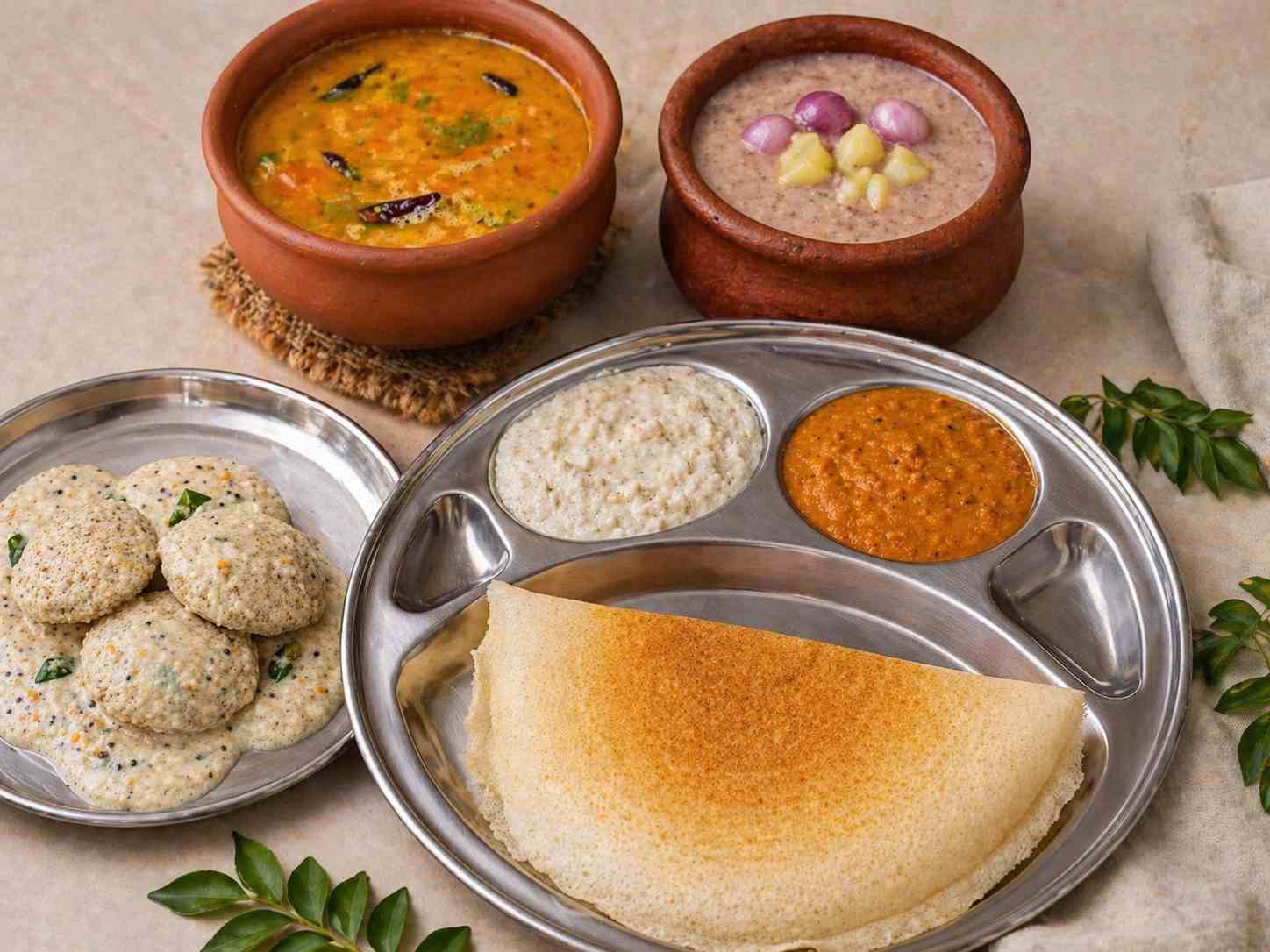
- Kollu Idli (Protein-Rich Breakfast)
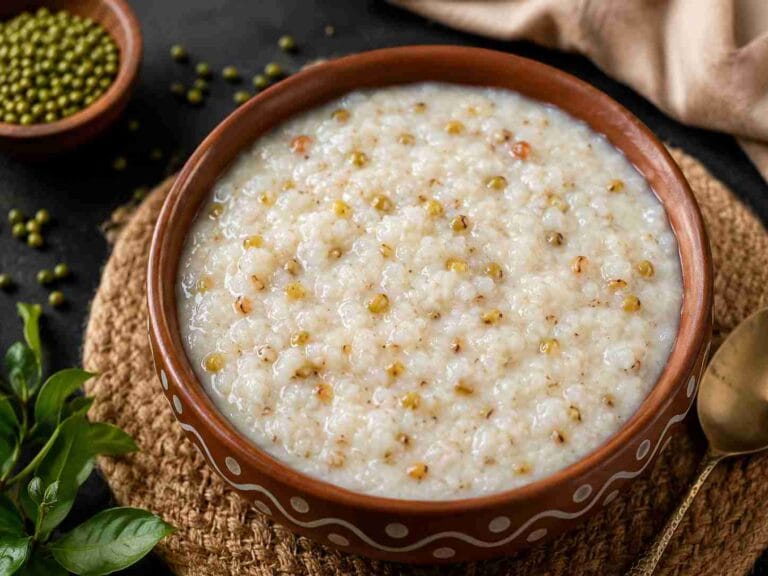
- Kezhvaragu Koozh (Fermented Summer Drink)
Millet Lunch & Dinner Recipes
- Kollu Rasam (Digestion-Friendly)
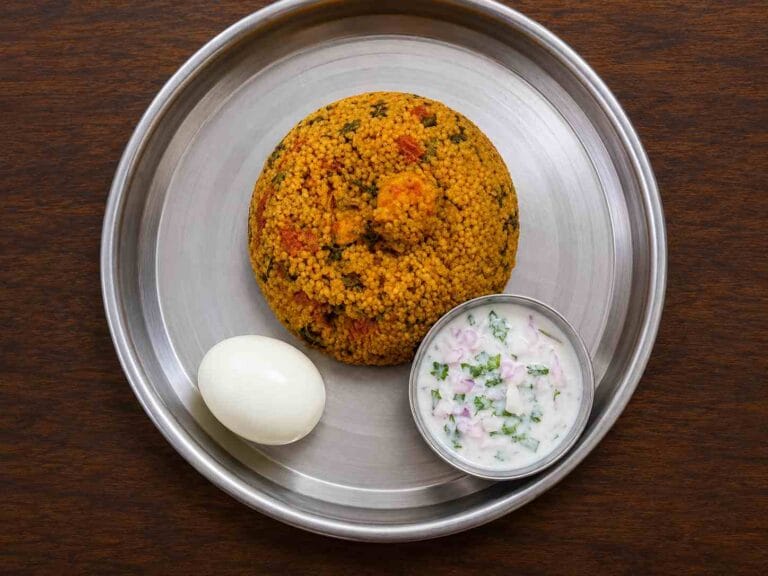
- Simple Rava Upma (Quick 20-Minute Meal)
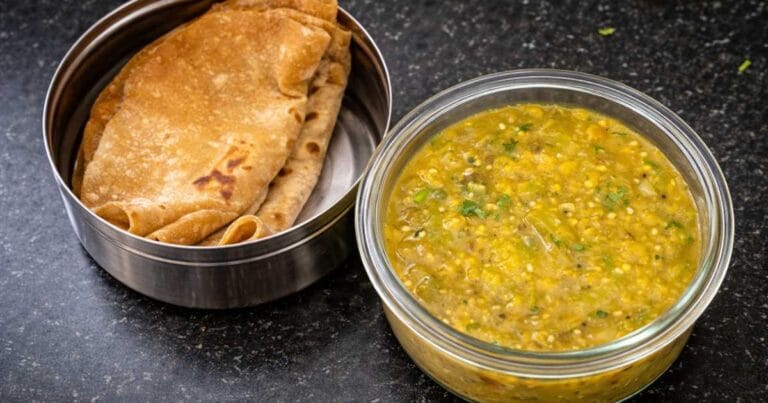
- Healthy Jowar Dosa with Spiced Filling
Healthy Millet Sweets & Desserts
- Quick Ragi Sweet Under 20 Minutes (No Sugar)
- Karuppu Kavuni Brownie (Antioxidant-Rich)
- Ragi Brownie (No Oven, No Maida and No Refined Sugar)
How to Cook with Millets: Beginner’s Guide
Basic Cooking Ratios (Water to Millet)
| Millet | Water Ratio | Cooking Time | Best Method |
|---|---|---|---|
| Ragi flour | 1:2 (flour:water) | 5-10 min | Boil & stir |
| Jowar grain | 1:3 (grain:water) | 20-25 min | Pressure cooker |
| Bajra grain | 1:3 (grain:water) | 25-30 min | Pressure cooker |
| Kollu | 1:4 (grain:water) | 30-40 min | Pressure cooker |
| Karuppu Kavuni | 1:2.5 (grain:water) | 20 min | Pressure cooker |
Step-by-Step: How to Cook Millet Grains
Method 1: Stovetop (for small quantities)
- Wash millet thoroughly under running water
- Toast in a dry pan for 2 minutes (enhances flavor)
- Add water in the ratio mentioned above
- Bring to boil, then simmer on low heat
- Cover and cook until water is absorbed
- Let rest for 5 minutes before serving
Method 2: Pressure Cooker (Fastest & Easiest)
- Wash millet thoroughly
- Add to pressure cooker with water
- Add a pinch of salt
- Close lid and cook for 1 whistle
- Let pressure release naturally
- Open and fluff with a fork
Pro tips:
- Always wash millets before cooking (removes dust)
- Toast them briefly for better flavor
- Don’t skip the resting time
- Leftover millet grains can be used for fried rice
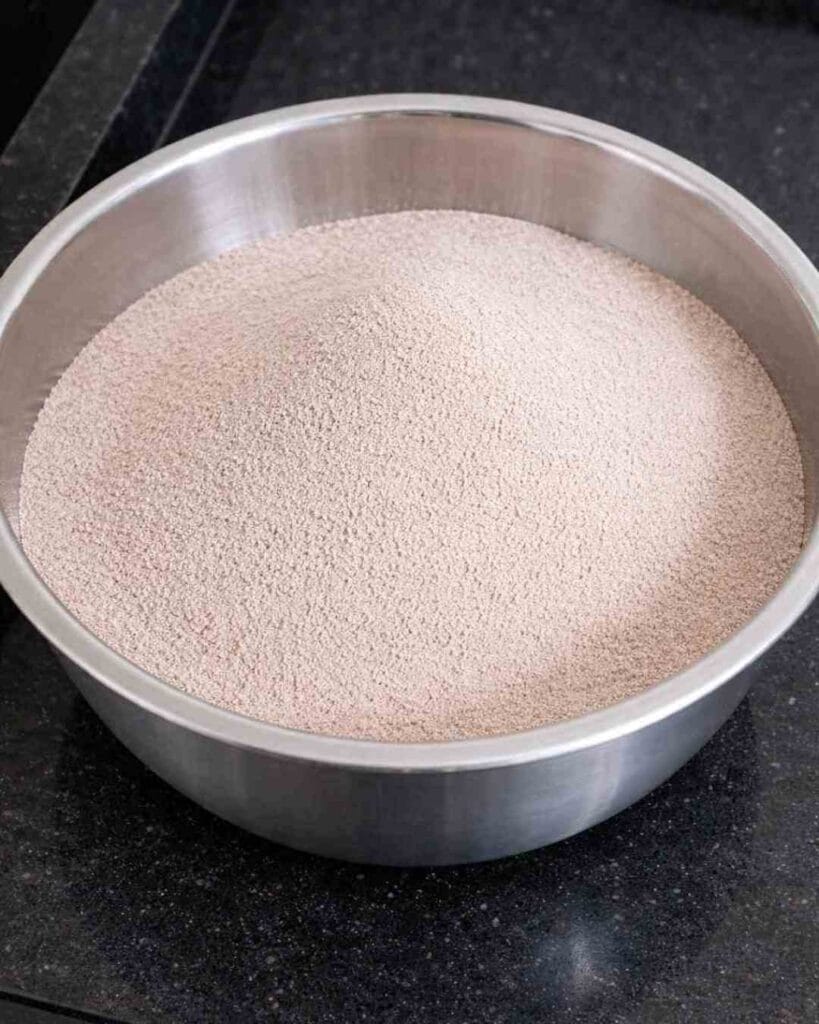
How to Make Millet Flour at Home
Using mixer grinder:
- Buy whole millet grains (ragi, jowar, etc.)
- Dry roast in a pan for 2-3 minutes
- Cool completely
- Grind in mixer for 3-4 minutes until fine powder
- Sieve through a fine mesh
- Store in airtight container for up to 1 month
Frequently Asked Questions on Healthy Millet Recipes
Are millets safe for babies?
Yes, ragi is an excellent first grain for babies (6+ months). It’s easily digestible, nutrient-dense, and rarely causes allergies. Start with ragi porridge mixed with breast milk or formula.
How many times per week should I eat millets for weight loss?
Ideally 4-5 times per week as part of a balanced diet. Rotate different millet types to get varied nutrients. Combine with protein, vegetables, and healthy fats for best results.
Can I substitute millet flour 1:1 for wheat flour in recipes?
Not always. Millet flour has different gluten properties. For recipes like dosa, idli, and upma—yes. For bread and cakes—you may need to adjust ratios or use blended flour (50% millet + 50% wheat or rice flour).
Which millet is best for diabetics?
Jowar (sorghum) has the lowest glycemic index (55) and highest fiber. Pair with protein and vegetables to slow sugar absorption further.
How do I store cooked millet?
Store in an airtight container in the refrigerator for up to 4 days. Reheat with a splash of water. You can also freeze cooked millet for up to 3 months.
Why does kollu (horse gram) taste bitter?
The bitterness is due to tannins (polyphenols that have health benefits). Soaking, fermenting, or cooking with ghee reduces bitterness while keeping the nutrients.
Is millet expensive compared to rice?
Slightly more expensive than white rice, but comparable to brown rice. Given the health benefits and higher nutritional density, it’s worth the cost.
Can I make millet flour idli batter without fermentation?
You can, but fermentation makes it more digestible and adds probiotics. For quick breakfast, use instant millet idli mixes (though less nutritious than fermented).
Are all millets gluten-free?
Yes, all millet varieties are naturally gluten-free. However, check purchased millet flour for cross-contamination if you have celiac disease.
How do millets taste compared to rice?
Millet has a slightly nutty, earthy flavor. It’s milder than wheat but distinct from rice. Most people prefer it when cooked as upma, dosa, or porridge rather than plain cooked grains.
If you’re using traditional cookware, you can also check our step-by-step guide on how to season a clay pot for cooking to get the best results.
My Honest Opinion: Should You Cook with Millets?
After trying different millet recipes over time, I’ve personally found that they make a big difference in daily eating habits.
You should eat millets if:
- You’re trying to lose weight (especially kollu
- You have diabetes or blood sugar concerns
- You have gluten sensitivity or celiac disease
- You want to improve digestion naturally
- You care about bone health (especially women)
- You want a sustainable, traditional grain
- You’re willing to experiment with new flavors
You might not need millets if:
- You have severe digestion issues (start slowly with fermented versions)
- You don’t enjoy their slightly earthy flavor
My recommendation: If you’re just starting, don’t try everything at once. Begin with one simple recipe like jowar dosa or ragi drink and slowly include millets in your routine. That’s how I started too, and it made the transition easy and sustainable.
Summary: Key Takeaways on Healthy Millet Recipes
- Millets are nutritional powerhouses – More nutrients per serving than wheat or white rice
- Different millets for different goals – Ragi for calcium, Jowar for diabetes, Kollu for weight loss
- Fermentation increases digestibility – Always ferment when possible
- Easy to incorporate – Start with dosa, idli, or upma recipes
- Traditional + Scientific – Backed by both Ayurveda and modern nutrition science
- Best eaten 4-5 times weekly – As part of a balanced diet with protein and vegetables
Ready to Start Cooking Healthy Millet Recipes?
I’ve made it easy for you. Start with these three recipes this week:
- Monday: Jowar Dosa (quick, filling breakfast)
- Wednesday: Kollu Rasam (digestion & protein)
- Friday: Quick Ragi Sweet (guilt-free dessert)
Start small, stay consistent, and you’ll slowly see the difference in your energy, digestion, and overall health.
Have you tried millet recipes before? Let me know in the comments — I’d love to hear your experience!
Happy cooking with millets