Soft Chapathi Recipe | How to Make Super Soft Chapathi at Home
⭐ About This Recipe
Tired of chapathi becoming hard after cooling? This soft chapathi recipe will show you exactly how to make soft roti at home that stays soft for hours — even without using hot water.
I used to struggle with dry chapathis, especially when packing them for lunch. I kept wondering why chapathi becomes hard and how to keep chapathi soft after cooking. After many trials, I understood that the real secret is not hot water — it is the correct chapathi dough water ratio, proper kneading, and allowing the dough to rest for a full 30 minutes.
In this method, I knead the dough well and rest it for at least 30 minutes. This resting time helps the gluten relax naturally, which makes the chapathi soft and fluffy. I also share how to knead chapathi dough for softness using simple room temperature water and easy chapathi puffing tips to help it rise beautifully on the tawa.
If you are searching for soft chapathi that stays soft for lunch box or chapathi without hot water, this beginner-friendly step-by-step guide will help you get perfect results every time.
Once you understand the technique, making soft and fluffy chapathi at home becomes simple and reliable..
The Secret Chapathi Dough Water Ratio for Maximum Softness
Getting the right chapathi dough water ratio is the most important step in making soft chapathi.
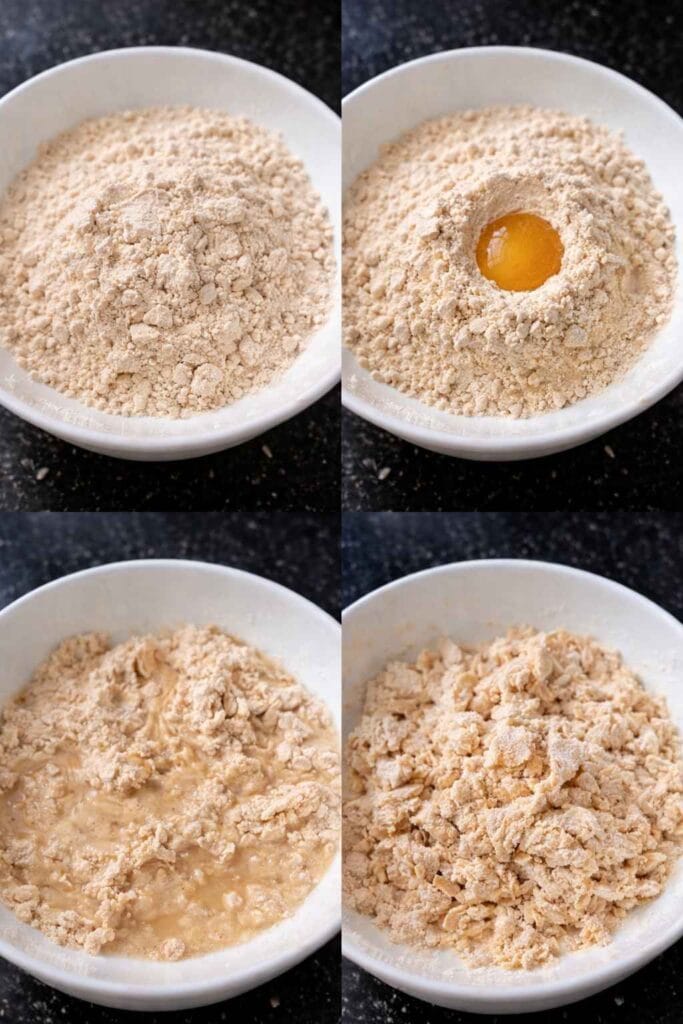
- Start by adding wheat flour to a wide bowl. Add salt (optional) and 1 tablespoon oil or ghee. Mixing oil into the flour helps improve softness and makes the chapathi pliable even after cooling.
- Rub the oil into the flour gently using your fingers before adding water. This step helps coat the flour evenly and improves the final texture.
- Then for 2 cups of wheat flour, use about ¾ to 1 cup of water. Always add water gradually instead of pouring it all at once. This helps control the dough consistency and prevents it from becoming sticky.
How to Knead Chapathi Dough for Softness (Step-by-Step)
Proper kneading is the most important step in how to knead chapathi dough for softness. Even if you use normal room temperature water, kneading the dough well for at least 5–8 minutes makes a huge difference.
After adding water gradually, bring the dough together and start pressing it using the base of your palm. Fold the dough, press again, and repeat. This helps develop gluten naturally, which gives structure and elasticity to the dough.
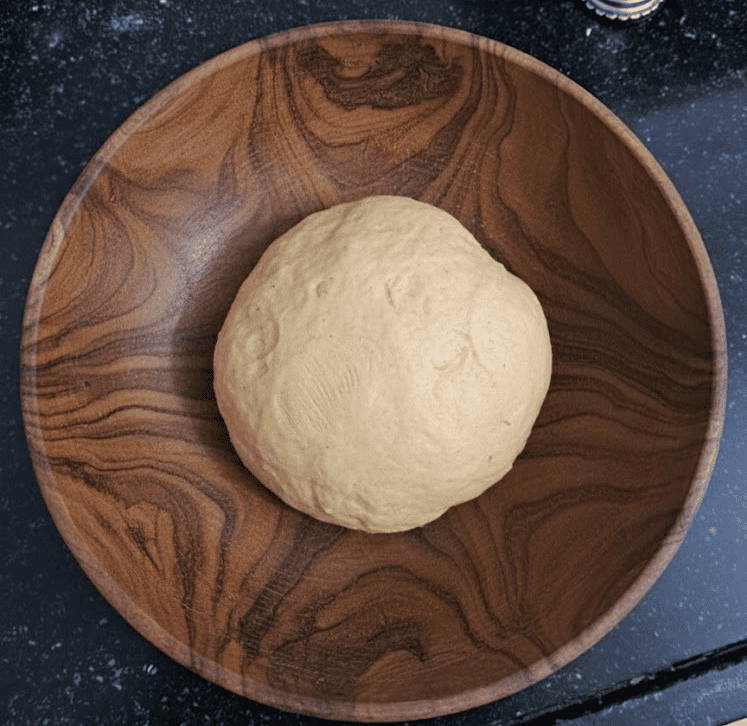
At first, the dough may feel slightly rough. Keep kneading patiently until it becomes smooth, soft, and elastic. When you press the dough gently with your finger, it should spring back slightly without sticking to your hand.
Do not rush this step. Traditional hand kneading is the real secret behind soft chapathi that stays soft even after cooling.
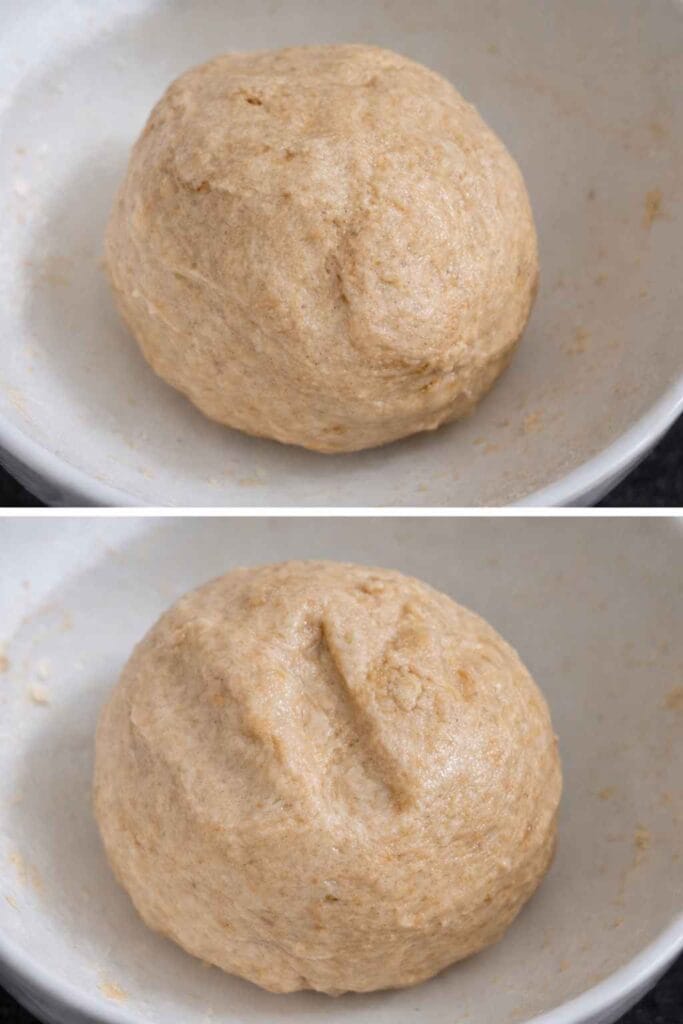
After kneading, let the dough rest for 30 minutes before rolling.
Professional Chapathi Puffing Tips (Step-by-Step Cooking Guide)
Making soft chapathi is not only about the dough — the cooking technique also matters. If you follow the right method, your chapathi will puff beautifully and stay soft for hours.
After resting the dough for 30 minutes, divide it into equal-sized balls and dust lightly with flour. Roll each ball evenly into a round shape. Do not press too hard while rolling, and avoid making it too thin like a papad.
Heat the tawa on medium flame. Place the rolled chapathi on the hot tawa and cook until small bubbles appear. Flip it and cook the other side. Once light brown spots appear, gently press the edges using a cloth or spatula. This helps steam build inside, making the chapathi puff fully.
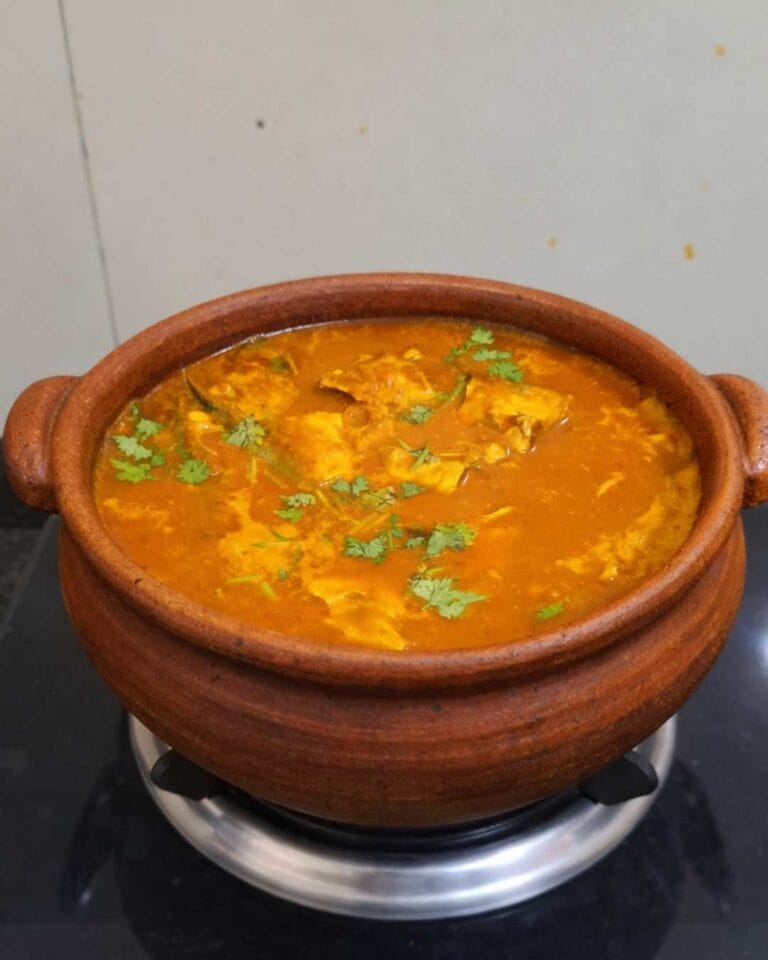
Serve this soft chapathi with my easy Pepper Chicken recipe.
The key chapathi puffing tips are:
- Use medium heat (not low, not high)
- Roll evenly without thick edges
- Flip at the right time
- Press gently to encourage puffing
If your chapathi is not puffing, it may be due to uneven rolling, low heat, or insufficient kneading.
When cooked properly, the chapathi will puff up and remain soft even after cooling.
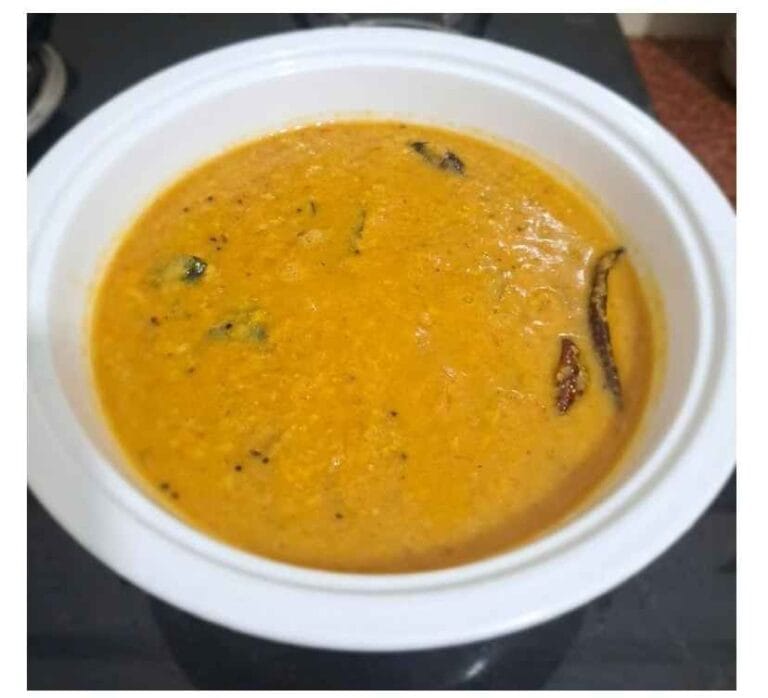
For a simple and nutritious meal, pair this chapathi with homemade Pachai Payaru Kadayal Recipe and enjoy a balanced South Indian dinner.
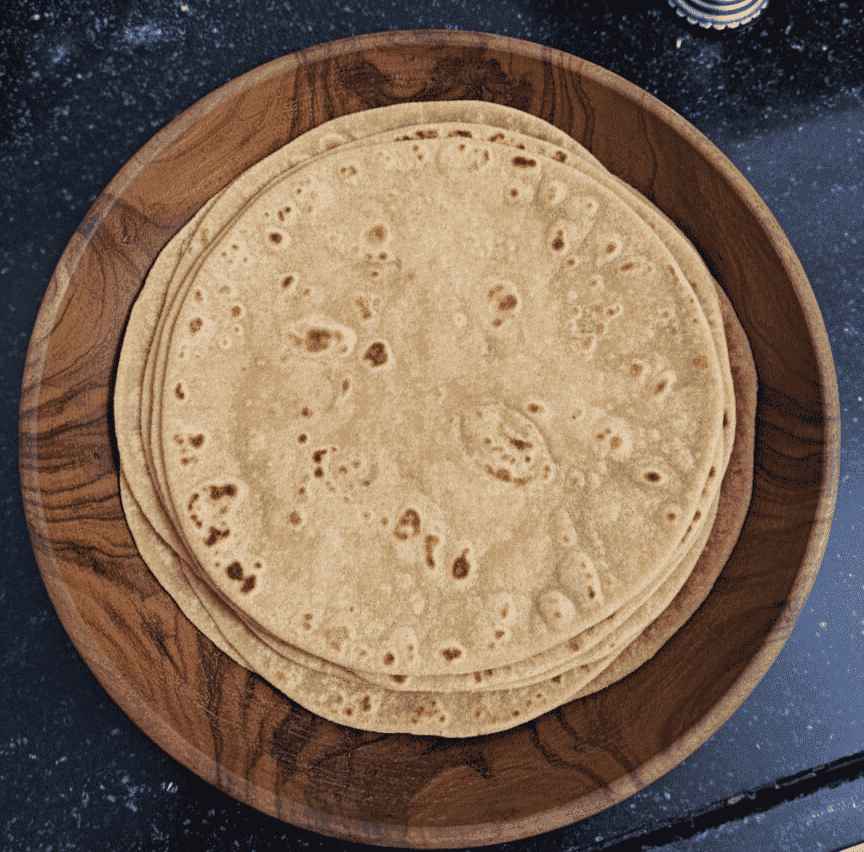
Soft Chapathi (Soft Roti That Stays Soft for Hours)
Ingredients
Equipment
Method
- In a wide bowl, add wheat flour, salt, and oil. Mix well.
- Add water gradually and start mixing with your fingers.
- Bring the dough together and knead for 5–8 minutes until smooth and soft.
- Cover the dough and let it rest for 30 minutes.
- Divide the dough into equal-sized balls.
- Dust lightly with flour and roll into even round chapathis.
- Heat a tawa on medium flame.
- Place the rolled chapathi on the tawa and cook until bubbles appear.
- Flip and cook the other side until light brown spots form.
- Gently press the edges to help it puff.
- Remove and stack immediately. Apply a thin layer of ghee if desired.
Notes
- Always add water little by little to avoid a sticky dough.
- Kneading for a full 5 minutes makes the dough smooth and elastic.
- Resting the dough for 30 minutes is essential for softness.
- Do not overcook; keeping chapathi too long on the tawa makes it dry.
- Applying a thin layer of ghee keeps chapathis soft for lunch boxes.
💡 Tips for Perfect Soft Chapathi
- Use warm water in winter — it gives extra softness.
- If dough becomes too sticky, add 1–2 tbsp flour and knead again.
- If dough becomes tight, sprinkle water and knead for 1 minute.
- Keep rolled chapathis covered so they don’t dry out before cooking.
- Flip only 2–3 times; constant flipping can make it hard.
- Let the dough rest for a longer time to make it soft.
FAQs for Perfect Soft Chapathi
Why does my chapathi become hard after cooling?
Hardness is usually caused by cooking on a low flame for too long, which evaporates the natural moisture. Rolling the dough too thin or skipping the mandatory 30-minute resting period also prevents the soft, layered texture typical of a perfect Indian roti.
How to keep chapathis soft for a school or office lunch box?
Immediately stack hot chapathis and wrap them in a clean cotton cloth or muslin. Place the bundle in an insulated casserole; the trapped steam acts as a natural softener, keeping them pliable even in the typical Indian climate.
Can I make soft chapathi without using hot water?
Yes. While hot water is a common shortcut, you can achieve “super soft” results with room-temperature water by kneading the dough for a full 5–8 minutes to develop gluten and allowing it to rest for at least 30 minutes.
What is the best chapathi dough water ratio for Indian wheat flour?
For 2 cups of wheat flour, use about ¾ to 1 cup of water. Add the water gradually to achieve a soft, smooth, and elastic dough. Too little water makes chapathi hard.
How do I get my chapathi to puff up perfectly on a tawa?
Use a medium-high flame and the “two-flip” method: cook the first side for 15 seconds, flip and cook the second side until brown spots appear, then flip back and gently press the edges with a cloth to force the steam into the center.
How long should chapathi dough rest?
Chapathi dough should rest for at least 20–30 minutes. Resting helps relax gluten and makes the chapathi soft and easier to roll.
If you liked this Soft Chapathi Recipe recipe, you can also try my Instant breakfast recipe
❤️ Final Thoughts – Why You Should Try This Recipe ?
If you have always wanted to learn how to make soft chapathi that stays soft for hours, this method is worth trying. The steps are simple, but they truly matter — the right chapathi dough water ratio, proper kneading, and a full 30 minutes of resting time can completely change the texture of your chapathi.
This is the same method I use every day at home, and it has never failed me. Whether I prepare chapathi in advance for lunch or make it fresh for dinner, it remains soft and flexible without turning dry or chewy.
Since chapathi is made using whole wheat flour, it is also a healthier everyday option compared to refined flour breads. Whole wheat is naturally rich in fiber and nutrients that support digestion and overall health
Once you understand how to knead chapathi dough for softness and cook it at the right temperature, making soft and fluffy chapathi becomes easy and stress-free.
Try this recipe just once, and you will see how simple it is to make chapathi without hot water that still turns out soft and perfect every time.
If you try it, I would love to hear your feedback on the comment.