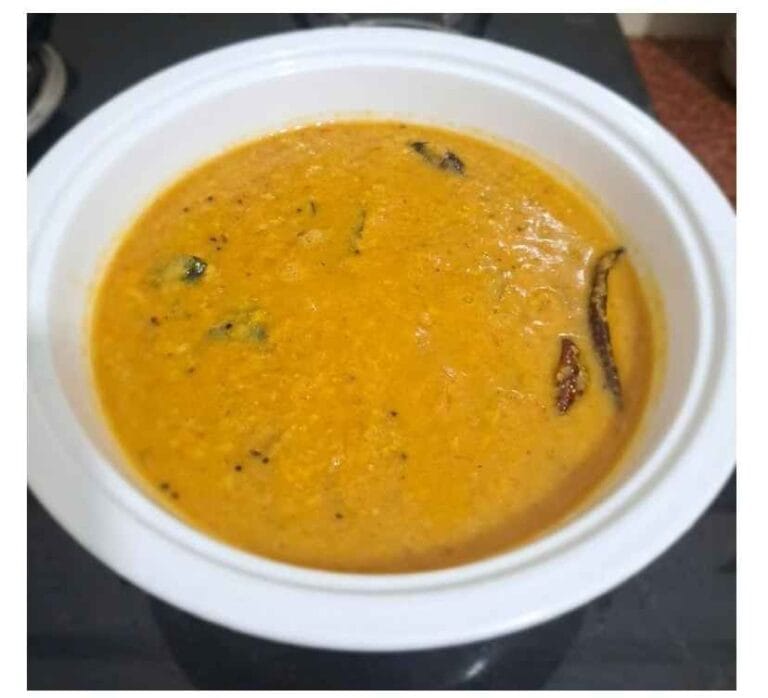
Vazhaipoo Kootu | வாழைப்பூ கூட்டு – Banana Flower Kootu (Traditional South Indian Recipe)
⭐ About This Recipe
Vazhaipoo Kootu is one of those dishes that brings back the warmth of real Tamil home-style cooking the moment it touches your plate. The flavour of banana flower gently cooked with dal, turmeric and a simple tempering has a comforting taste that feels like childhood, like weekends spent at home, like lunch served straight from amma’s kitchen.
What I love the most about this kootu is how pure the flavours are — nothing fancy, no masala powders, no store-bought mixes… just fresh ingredients and slow home cooking. The natural taste of vazhaipoo blends beautifully with the creaminess of channa dal, and the mild heat from dry red chillies and onions adds the perfect balance. It’s proof that healthy food doesn’t need to be complicated — just clean, traditional and prepared with care.
For many of us, vazhaipoo is more than an ingredient… it’s a memory. Most Tamil homes make this only when there’s time and love, because cleaning the banana flower is not a shortcut recipe — it’s an act of patience. But when the kootu finally comes to the table, served hot with rice and ghee, every bit of effort feels worth it.
If you’ve been looking to bring a touch of heritage and healing recipes back into your kitchen — without masalas, without coconut and without processed ingredients — this Vazhaipoo Kootu / வாழைப்பூ கூட்டு is the perfect place to start. It’s wholesome, nourishing and soothing — a dish that feeds not just the body, but the heart.
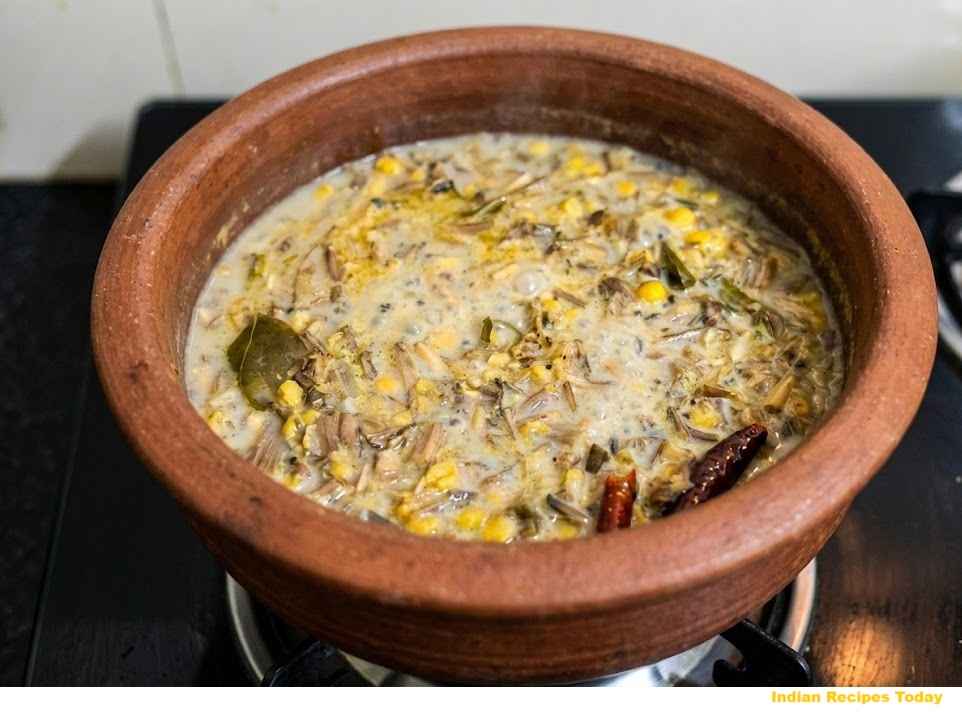
Vazhaipoo Kootu | வாழைப்பூ கூட்டு (Banana Flower Kootu)
Ingredients
Method
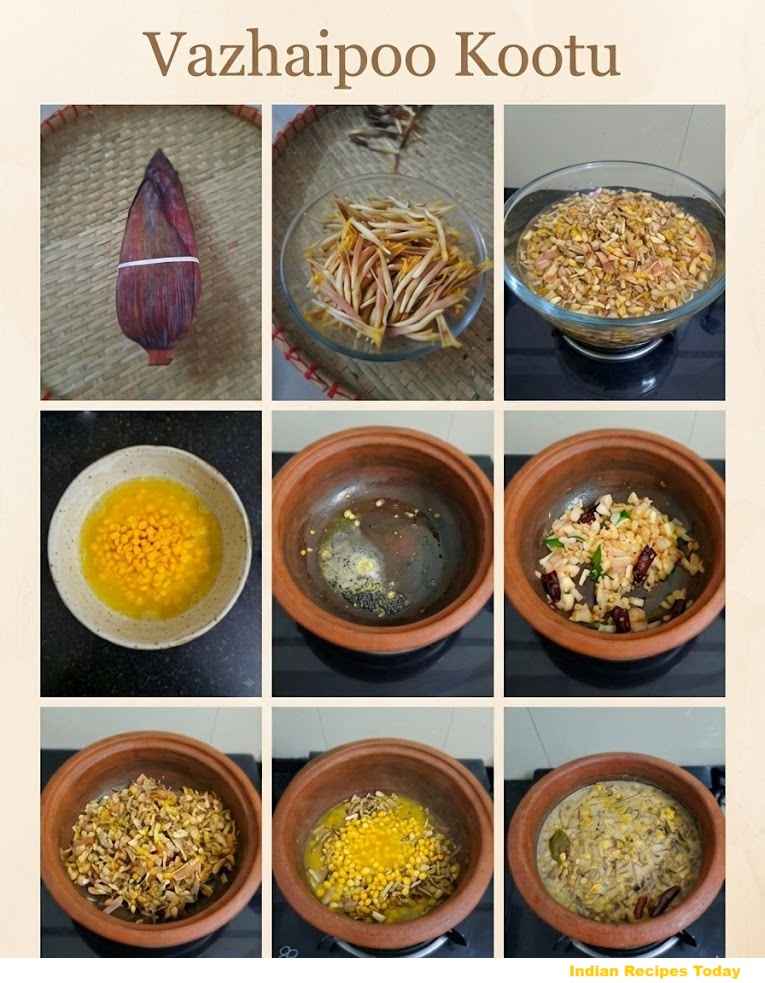
- Soak channa dal for 1 hour, then pressure cook with turmeric and salt until soft.
- Clean and chop vazhaipoo into small pieces, wash it and soak in salted water to avoid discoloration.
- Heat oil in a kadai and add mustard seeds. Allow them to splutter.
- Add sliced onions and dry red chillies. Saute till onions turn soft.
- Add chopped vazhaipoo and saute for 2–3 minutes. Close with a lid and cook until soft.
- Add cooked dal along with water. Mix well and simmer for 5 minutes.
- Adjust salt and consistency. Switch off when kootu reaches the required thickness.
Notes
- Clean the vazhaipoo fully before chopping — even a few unclean petals can change the taste and texture.
- Salt the soaking water well; if the salt is less, vazhaipoo may still turn slightly brown.
- Pressure cooking dal with turmeric gives better colour and flavour than adding turmeric later.
- Add dal only after vazhaipoo becomes soft — mixing too early can delay cooking time.
- Keep the flame low after adding dal; boiling on high flame can split the dal and affect consistency.
- If the kootu becomes watery, let it simmer uncovered for 2–3 minutes to thicken naturally (no need for flour/cornflour).
- If keeping for lunchbox, make it a bit thick — it releases water naturally over time.
- Avoid reheating multiple times; instead heat only the portion needed to preserve the flavour.
💡 Tips & Variations
- Add a teaspoon of ghee while serving for extra aroma and comfort.
- Increase red chillies in tempering if you prefer a slightly spicier version.
- A tiny drizzle of raw coconut oil after switching off gives a Kerala-style flavour (optional).
- Replace channa dal with moong dal for a lighter version or toor dal for a stronger taste.
- Add a handful of chopped carrot or bottle gourd for a mixed vegetable variation.
- Can be made without onion for festival or vrat days.
- Serve with rasam, pepper rasam, or curd rice for a balanced meal.
- Kids enjoy it best with rice, ghee and papad.
- Leftover kootu can be used as topping for dosa or Chapathi the next morning.
- Add a little hot water while reheating to bring back consistency.
FAQs for Vazhaipoo Kootu
Is Vazhaipoo Kootu healthy?
Yes, vazhaipoo is rich in fibre, iron and vitamins. Combined with protein-rich dal, this kootu supports digestion, hormonal balance and overall immunity.
Why should vazhaipoo be soaked in salted water?
Soaking chopped vazhaipoo in salted water prevents it from turning black and helps retain its natural flavour.
Which dal is best for Vazhaipoo Kootu?
Traditionally channa dal (kadalai paruppu) is used. For lighter variations, you can use moong dal. Toor dal gives a stronger flavour.
Can I make Vazhaipoo Kootu without onion?
Yes, onion is optional. The recipe turns out delicious even without onion, which is ideal for festival or vrat days.
Why is vazhaipoo considered good for women’s health?
Banana flower is believed to help regulate hormones, improve haemoglobin levels and support postpartum recovery — which is why many Tamil households make it regularly.
Why does vazhaipoo turn black while cutting?
Banana flower oxidises quickly. To avoid this, keep the chopped pieces in salted water/turmeric water immediately after cleaning.
Is Vazhaipoo Kootu good for weight loss?
Yes. Banana flower is fibre-rich and low in calories, and dal adds protein — making the dish filling and weight-loss friendly.
How to store leftover Vazhaipoo Kootu?
Refrigerate for up to 1 day. Add a little hot water while reheating to adjust the consistency.
Why shouldn’t we store vazhaipoo and why should it be used immediately?
Vazhaipoo turns black very quickly once it’s cut because it oxidises when exposed to air. Storing it after cutting can make it bitter and reduce its freshness and nutrition. For the best taste and colour, clean and cook vazhaipoo immediately after chopping — or keep it soaked in salted water until cooking.
❤️ Final Thoughts – Why This Recipe Matters
Some recipes stay in our life not because they are fancy, but because they are real — and Vazhaipoo Kootu is one of them. It proves that healthy food doesn’t need a long ingredient list or complicated steps. With just vazhaipoo, dal and a simple tempering, we get a dish that is comforting, nourishing and absolutely satisfying.
What makes this recipe even more special is how practical it is. Whether you’re a beginner in the kitchen, a busy bachelor, or someone cooking after work, this kootu fits into life so easily. No grinding, no coconut, no masala powders — yet the flavour feels like a warm hug.
And vazhaipoo is not something rare or expensive. It’s available almost everywhere… and for many families in Tamil Nadu, it grows right in the backyard. It’s one of those ingredients that reminds us how our traditional food culture was always smart — simple ingredients, high nutrition.
So the next time you crave something homely, soothing and light on the stomach, try this Vazhaipoo Kootu. It’s good for health, gentle on digestion, and doesn’t demand much effort… but it still brings that feeling of eating at home — the feeling we all look for at the end of a long day.