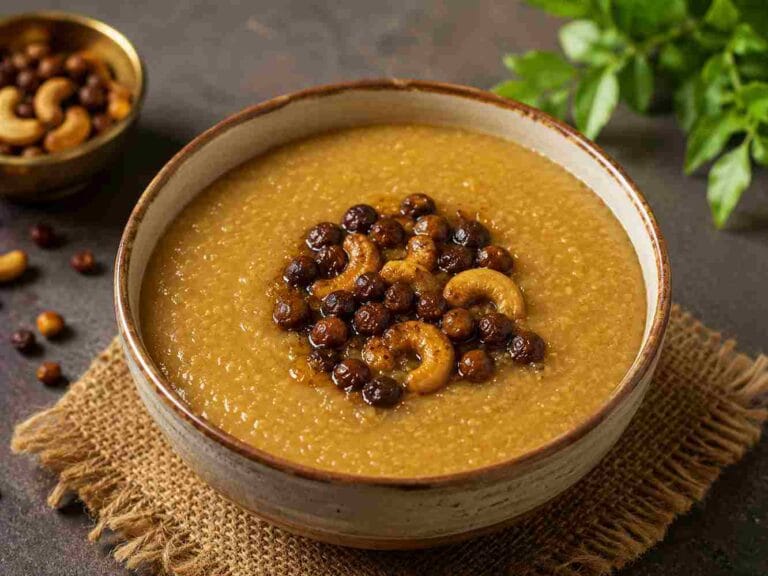
Sakkarai Pongal Recipe | Traditional South Indian Sweet Pongal
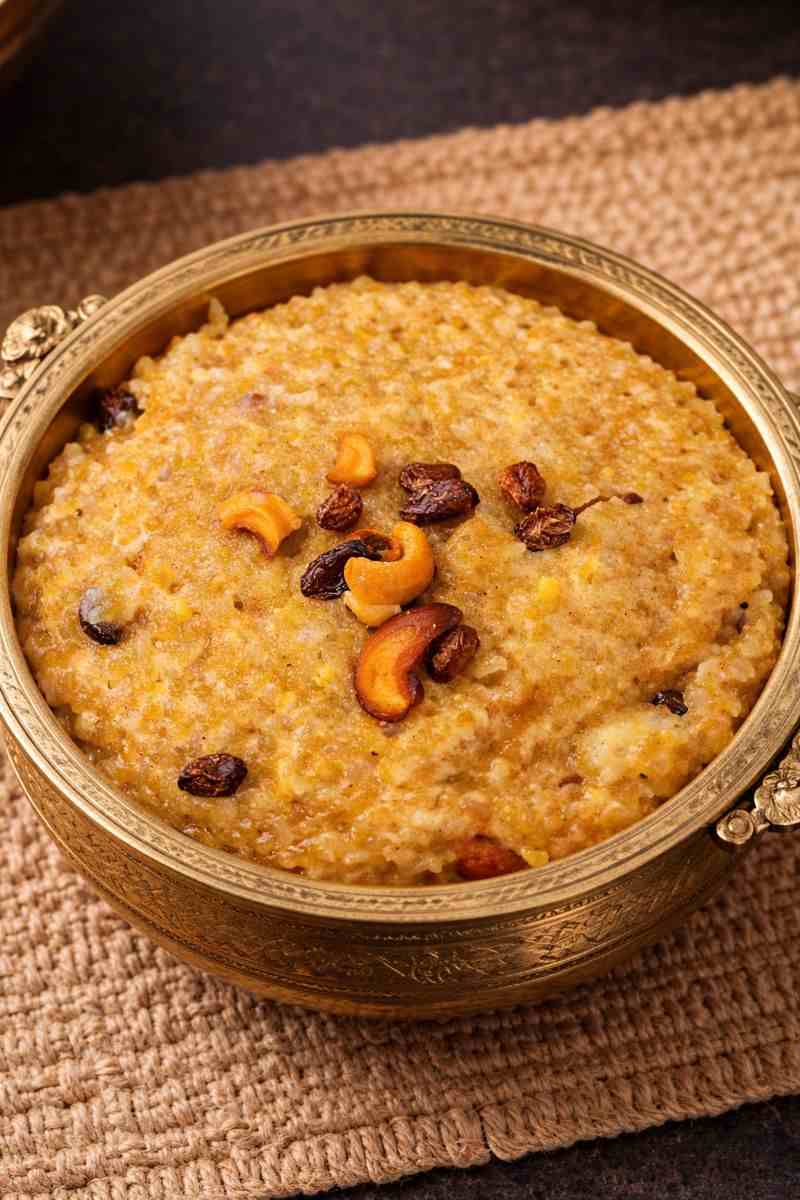
This sakkarai pongal recipe is a simple and traditional South Indian sweet prepared using a pressure cooker, making it easy and convenient for everyday cooking. It is an easy sakkarai pongal recipe for beginners, with clear steps that anyone can follow without confusion.
This version is made without milk, using only water, which gives an authentic taste and makes it suitable for regular home cooking. The recipe uses basic ingredients and does not require any special techniques, making it perfect for bachelors, small families, or anyone cooking for the first time.
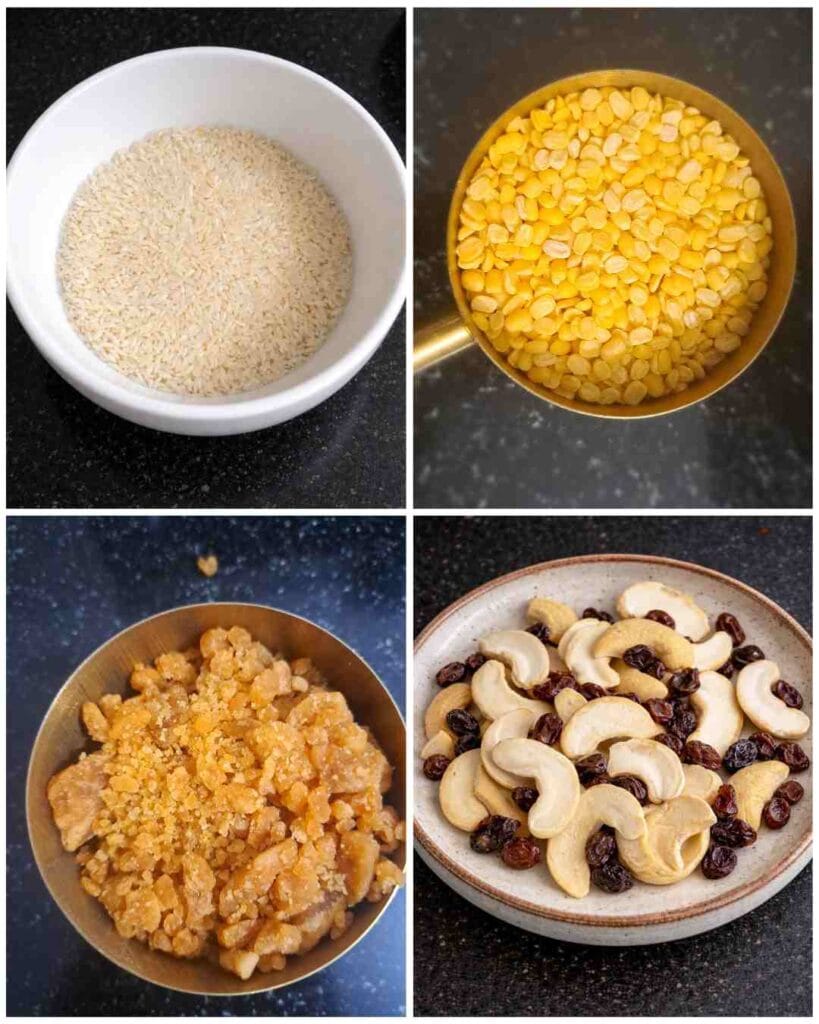
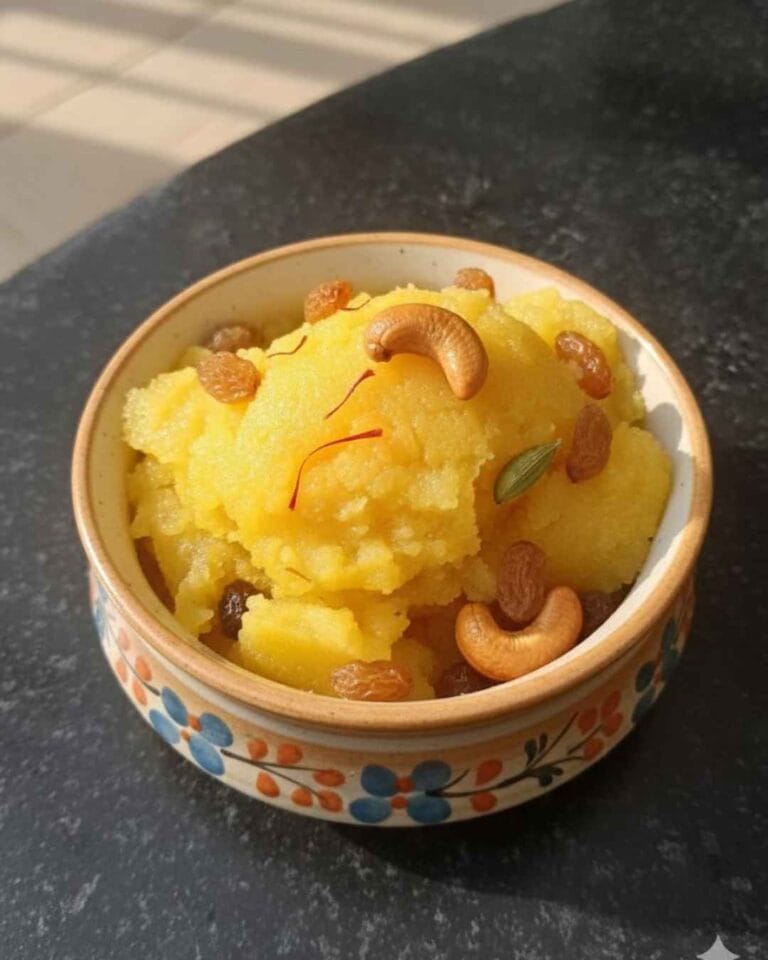
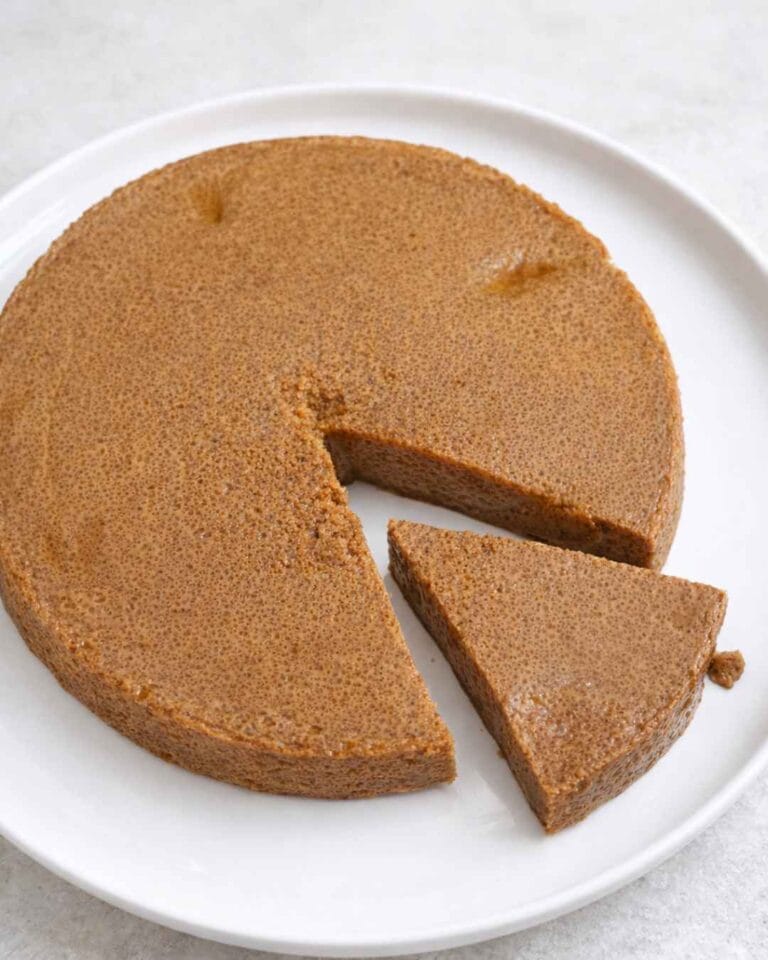
If you are looking for a traditional South Indian sweet pongal that is quick, fuss-free, and made in a cooker, this சக்கரை பொங்கல் recipe is a reliable and comforting choice. It is perfect for the Pongal festival or whenever you crave something sweet and homemade. You can also try my other traditional sweet recipes like Ukkarai Recipe and Thengai Therattipal Recipe.
Sakkarai Pongal Recipe | Traditional South Indian Sweet Pongal
Ingredients
Equipment
Method
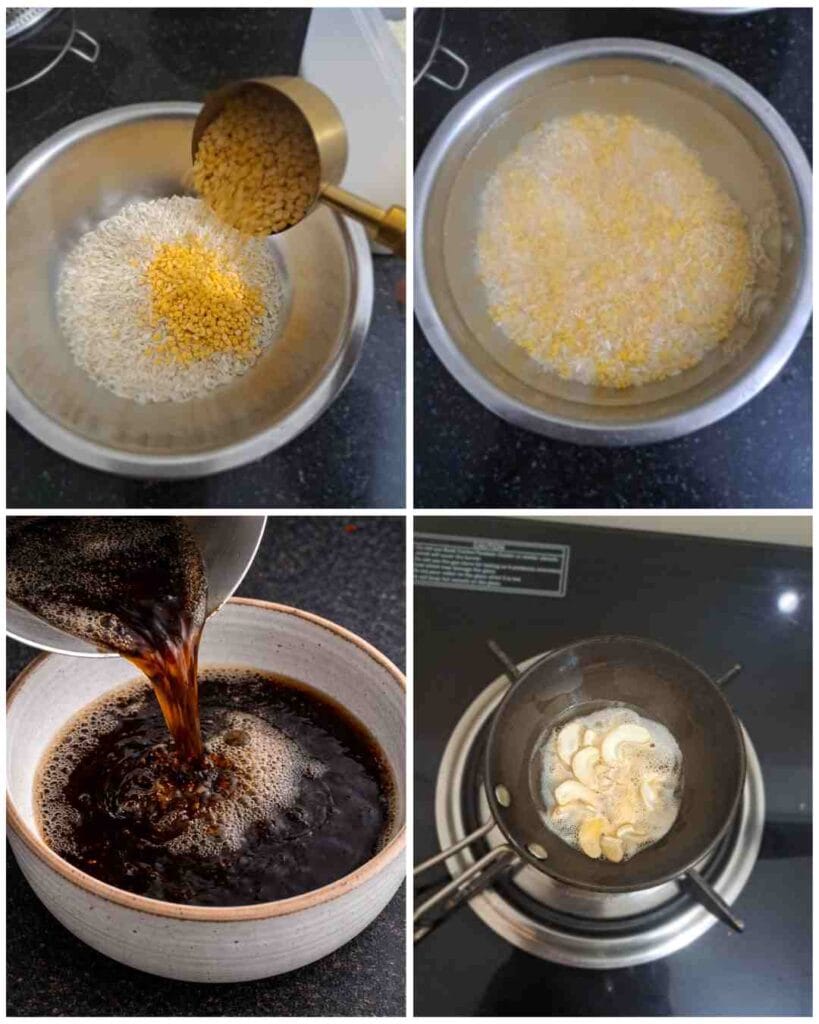
- First, add jaggery with 1/4 cup water to a pan and heat until the jaggery dissolves completely. Strain the jaggery syrup to remove impurities and keep it aside.
- Heat a pan and dry roast the moong dal lightly until aromatic. Do not over roast. Switch off and allow it to cool slightly.
- Wash the raw rice and roasted moong dal together. Soak them in enough water for 30 minutes.
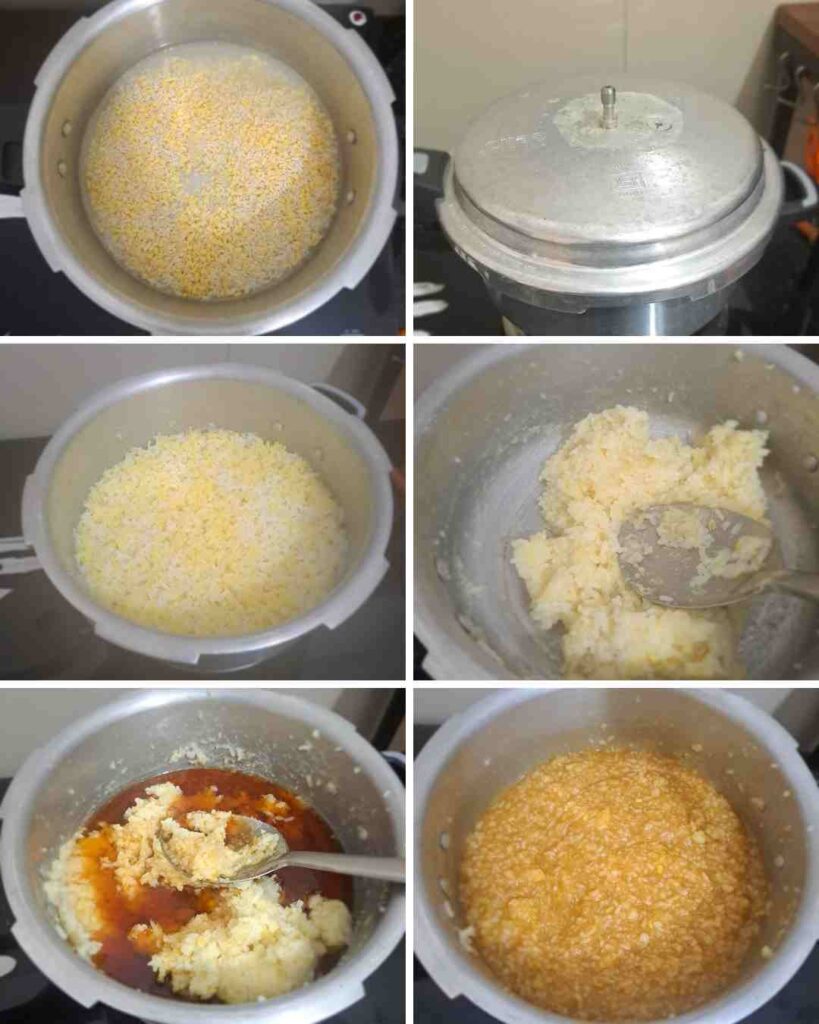
- Transfer the soaked rice and dal to a pressure cooker. Add required water and pressure cook for 4 whistles.
- Allow the pressure to release naturally. Open the cooker and mash the cooked rice and dal well to get a soft, mushy texture.
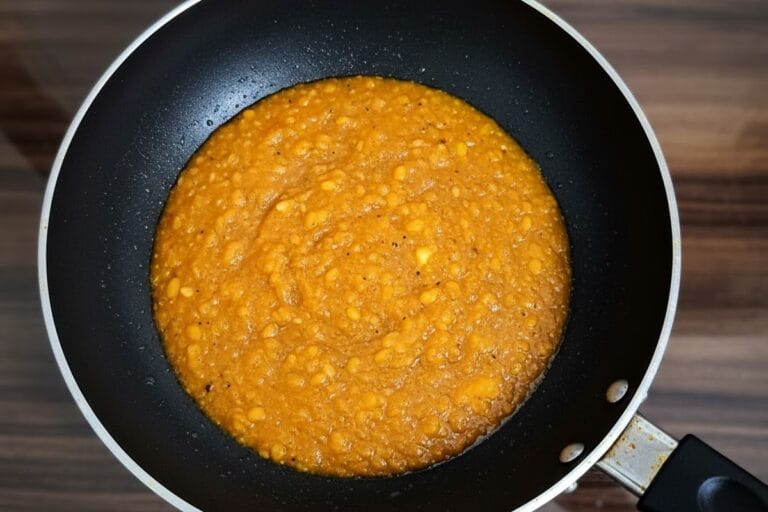
- Add the prepared jaggery syrup and cardamom powder to the mashed mixture. Mix well, and cook on low flame, stirring continuously.
- Add 1tbsp of ghee ,cook until the sakkarai pongal thickens slightly and comes together.
- Heat 1 tablespoon ghee in a small pan. Fry the cashews and raisins until golden.
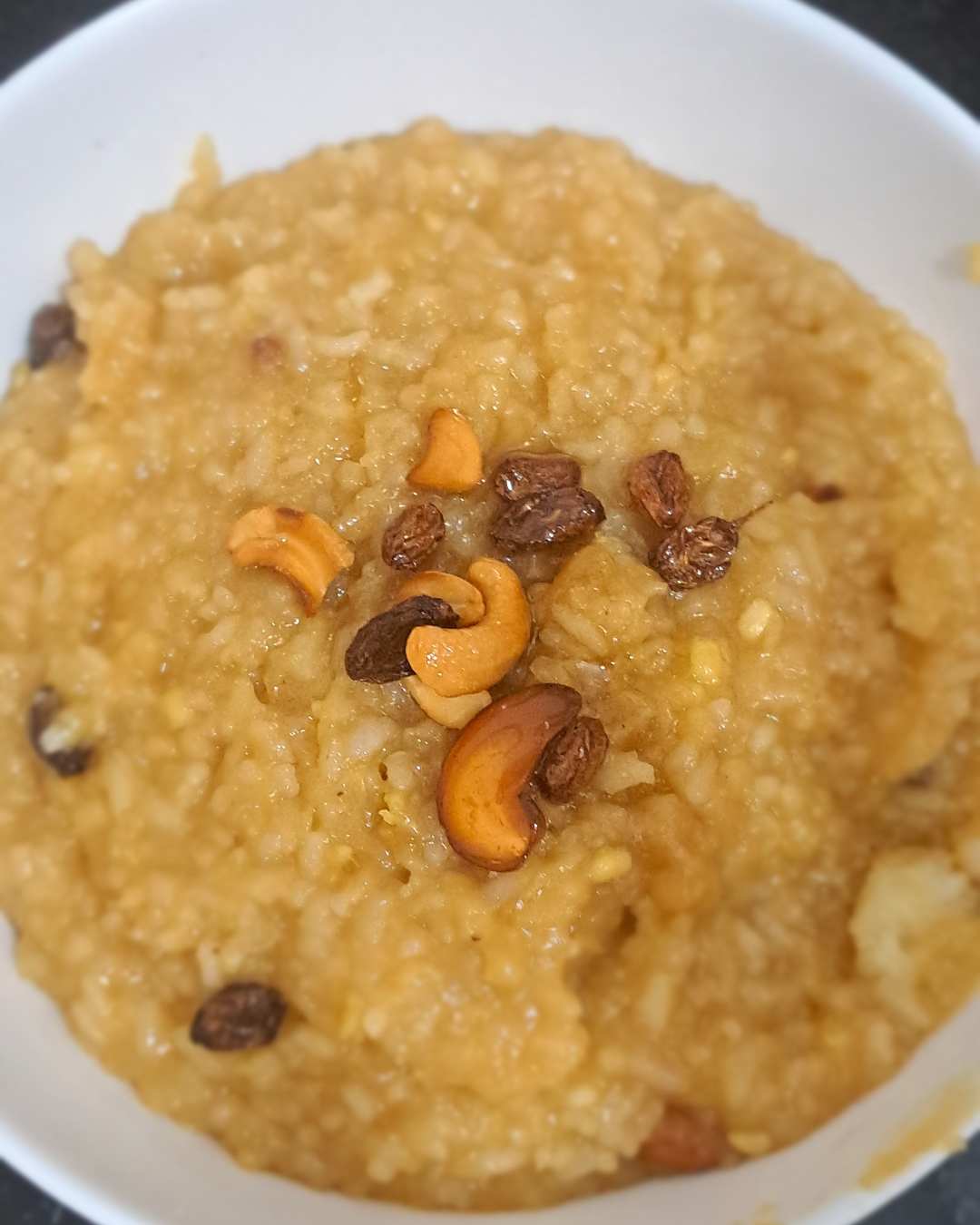
- Add the fried cashews, raisins, and remaining ghee to the pongal. Mix gently.
- Traditional sakkarai pongal is ready to serve.
Notes
- Do not over-roast the moong dal, as it can change the colour and taste of the sakkarai pongal. Light roasting is enough to bring aroma.
- Always strain the jaggery syrup to remove impurities before adding it to the cooked rice and dal.
- Cook the pongal on low flame after adding jaggery to avoid burning or sticking at the bottom.
- The pongal will thicken further as it cools, so switch off the flame when it is slightly loose.
- Adjust the amount of ghee according to your taste preference.
- This recipe is prepared without milk; adding milk may change the traditional taste and texture.
- Use freshly powdered cardamom for better flavour.
💡 Tips & Variations
- For a richer flavour, use dark jaggery or karupatti instead of regular jaggery.
- You can add a small pinch of edible camphor (pacha karpooram) at the end for a temple-style aroma.
- Increase ghee slightly if you prefer a more festive and glossy sakkarai pongal.
- This recipe can be made using raw rice or sona masoori rice based on availability.
- For a healthier version, reduce jaggery slightly and increase the proportion of moong dal.
- You can prepare this sakkarai pongal for Pongal festival, special poojas, or weekend treats.
- Add roasted coconut pieces for a mild variation, though it is optional.
FAQs for Sakkarai Pongal recipe
Why did my sakkarai pongal become hard after cooling?
Sakkarai pongal thickens as it cools. Always switch off the flame when it is slightly loose. If it becomes too thick, add a little hot water or warm ghee and mix gently.
Can I adjust the sweetness of sakkarai pongal?
Yes, you can reduce or increase the jaggery quantity according to your taste. Always melt and strain the jaggery first before adding it to the pongal.
What type of rice is best for sakkarai pongal?
Raw rice or sona masoori rice works best for traditional sakkarai pongal. The rice should cook soft and blend well with the dal.
Why should jaggery be added after cooking the rice and dal?
Adding jaggery before cooking can prevent the rice and dal from softening properly. Always add jaggery syrup after the rice and dal are fully cooked.
Can sakkarai pongal be prepared without milk?
Yes, traditional sakkarai pongal is made without milk. Using only water gives an authentic taste and makes the recipe lighter and easier to digest.
Is coconut added to this sakkarai pongal recipe?
No, coconut is not added in this sakkarai pongal recipe. This version follows a simple and traditional method using rice, moong dal, jaggery, ghee, and cardamom. However, you can add roasted coconut pieces if you prefer a slight variation.
❤️ Final Thoughts
This sakkarai pongal recipe reflects the simplicity and wisdom of traditional South Indian cooking. Made using rice, moong dal, and jaggery, it is a wholesome sweet that focuses on natural ingredients rather than refined ones. The use of jaggery instead of white sugar adds not just sweetness but also a depth of flavour that is characteristic of traditional festive foods.
Preparing this சக்கரை பொங்கல் without milk keeps the recipe light and closer to the traditional method followed in many homes. Moong dal provides a good balance to the rice, making the dish more filling and satisfying, while ghee enhances taste and aroma when used in moderation. Since the recipe is cooked in a pressure cooker, it is also practical for everyday home cooking without compromising on authenticity.
Overall, this sakkarai pongal is a comforting sweet that can be enjoyed during the Pongal festival or as a homemade dessert. Its simple ingredients, easy method, and traditional preparation make it a thoughtful choice for those who prefer home-style, balanced sweets over heavily processed options.