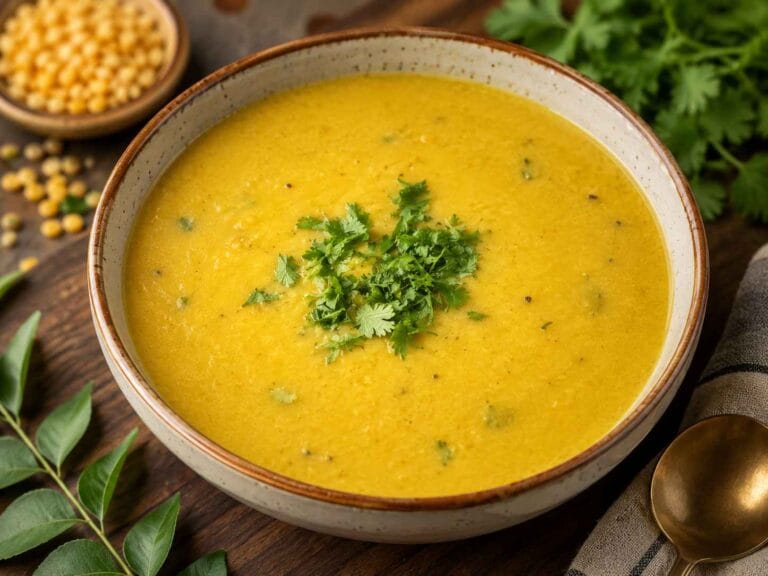
Ven Pongal Recipe (வெண் பொங்கல்): How to Make Traditional Ven Pongal
This Ven Pongal recipe (வெண் பொங்கல்) is a healthy and traditional South Indian breakfast that’s perfect for beginners and bachelors. This Ven Pongal recipe (வெண் பொங்கல்) is one of my favorite easy breakfasts. It’s super simple to make, and you only need a few basic ingredients you probably already have at home.
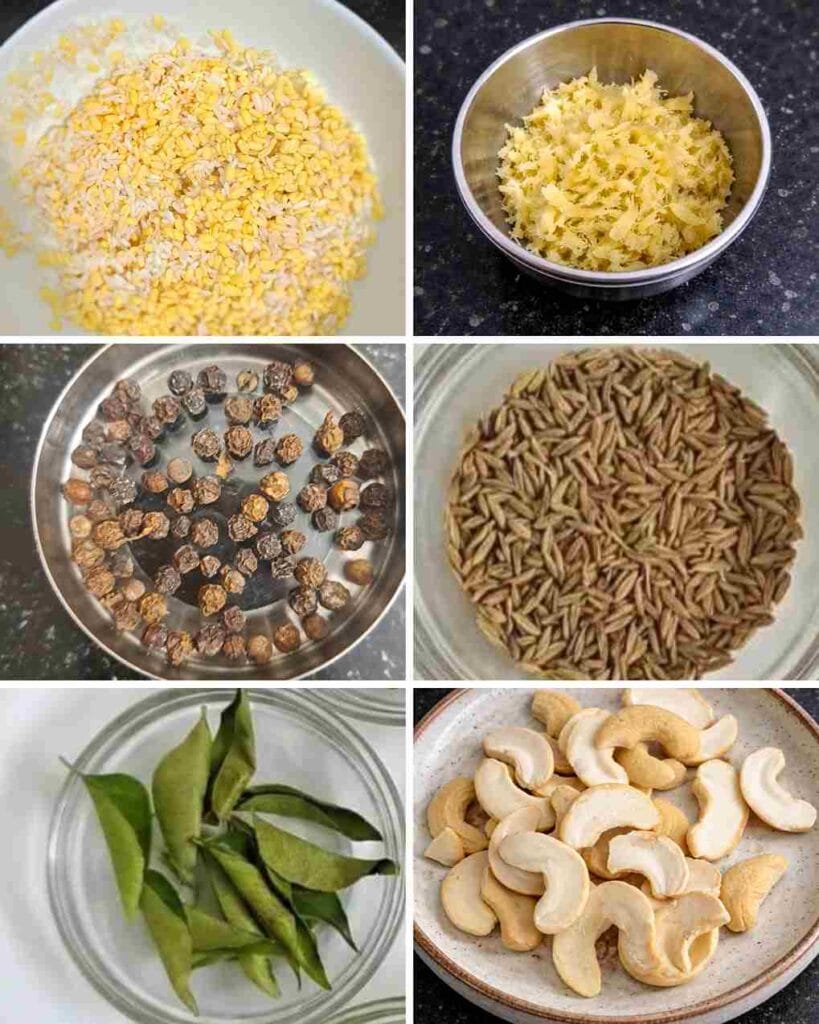
Using simple ingredients and a one-pot method, you can prepare this dish in just a few minutes. It’s a protein-rich meal , combination of rice and moong dal, and it offers a comforting, savory flavor enhanced by spices and ghee.
Eating ven pongal has its benefits: it’s gentle on the stomach, provides sustained energy, and is a beloved comfort food in many South Indian households. If you enjoy this, you might also want to try our sakkarai pongal recipe for a sweet variation!
Ven Pongal Recipe (வெண் பொங்கல்)
Ingredients
Equipment
Method
- Rinse the rice and moong dal together, then soak for about 30 minutes and drain.
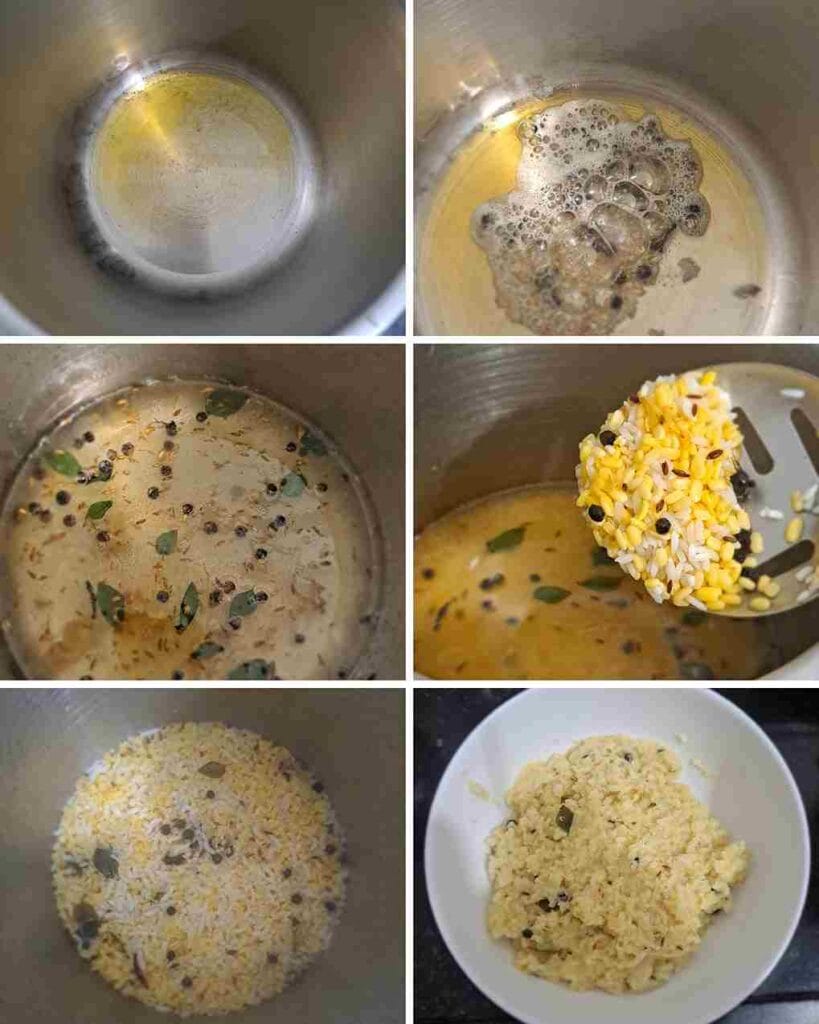
- In a pressure cooker, heat the ghee and oil. Add the peppercorns, cumin seeds, curry leaves, and grated ginger. Saute for a minute.
- Add the soaked and drained rice and moong dal to the cooker. Mix gently so the grains are coated with the tempering.
- Pour in 2½ cups of water and add salt to taste. Mix well and bring it to a rolling boil.
- Close the pressure cooker lid and cook on medium flame for 2–3 whistles.
- Switch off the flame and allow the pressure to release naturally.
- Once opened, gently mash the ven pongal using a ladle to get that soft, creamy texture.
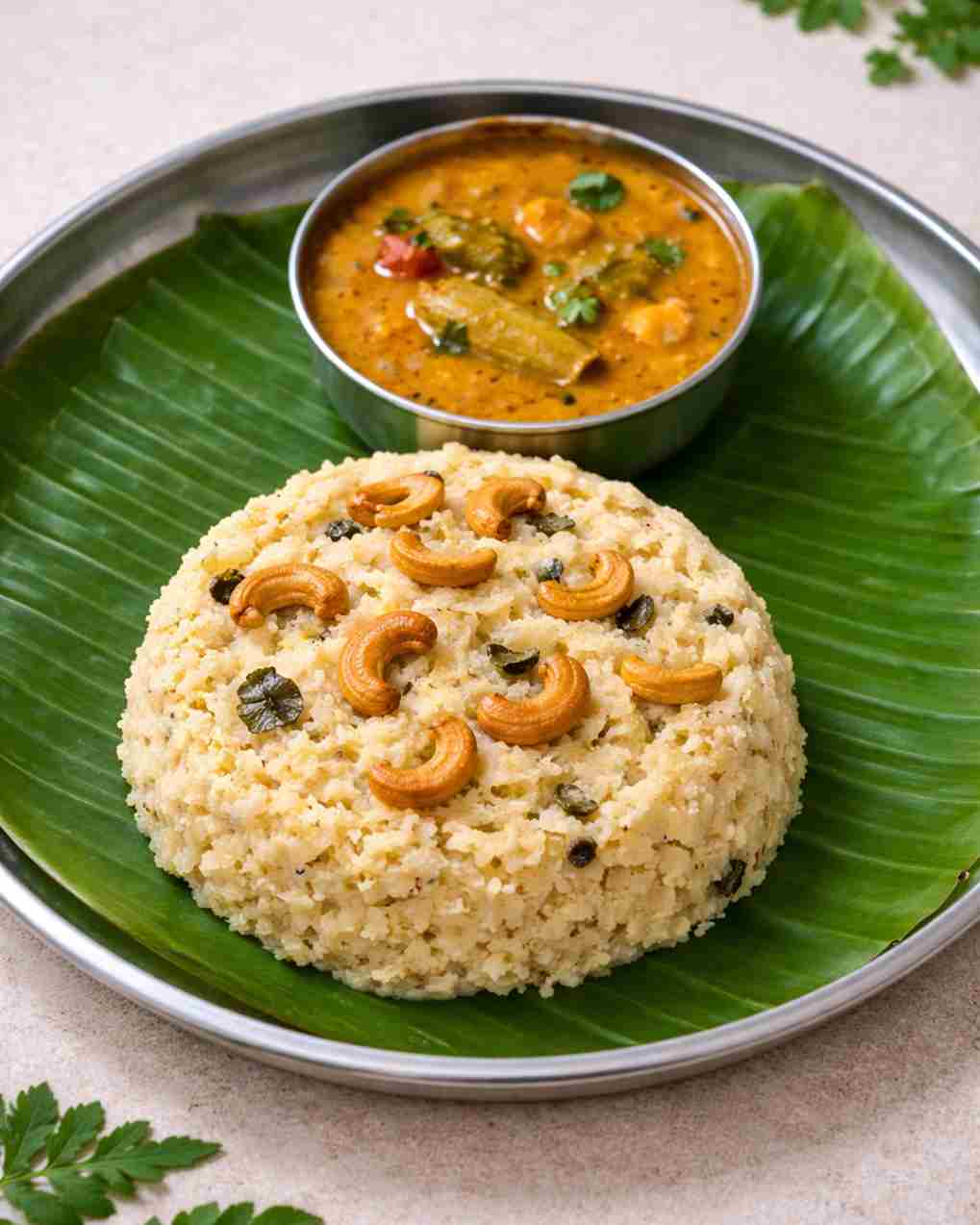
- In a small pan, heat a little ghee and roast the cashews until golden. Add them to the pongal and mix well.
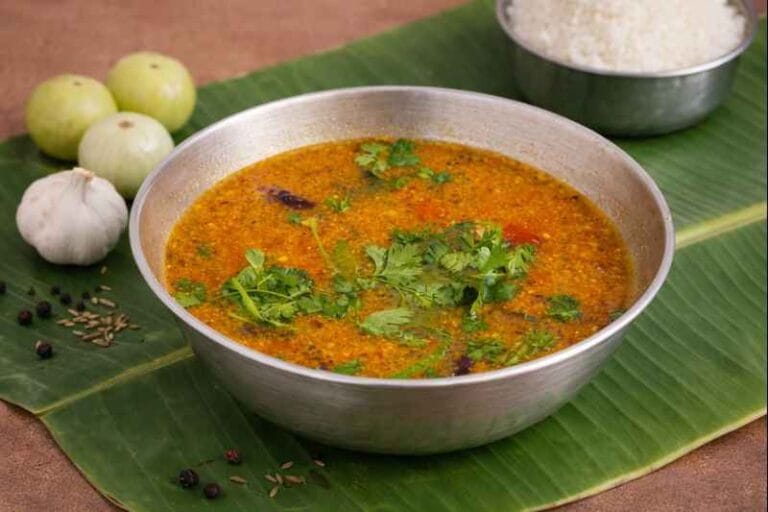
- Serve hot with sambar or chutney.
Notes
- Always soak the rice and moong dal for at least 20–30 minutes. This helps the ven pongal cook faster and turn soft.
- Water quantity is very important. If the pongal looks thick after cooking, you can add a little hot water and mix well.
- Let the pressure release naturally. Do not open the cooker immediately, or the texture may not be smooth.
- Ven pongal should be soft and slightly mushy. If it looks dry, add warm water and adjust salt.
- Use fresh ginger and curry leaves for the best aroma and flavor.
- Best served hot. As it cools, pongal tends to thicken.
💡 Tips & Variations
- For a more traditional South Indian flavor, add 1–2 teaspoons of gingelly oil (sesame oil) along with ghee while tempering.
- If you like extra ghee pongal taste, drizzle a little ghee on top just before serving.
- You can slightly crush the peppercorns for a stronger pepper flavor.
- For a softer, melt-in-mouth texture, increase water by ¼ cup.
- Serve ven pongal with sambar, coconut chutney, or even plain curd for a light meal.
FAQs for Ven Pongal Recipe
How to make ven pongal in a pressure cooker?
Ven pongal can be easily made in a pressure cooker by cooking soaked rice and moong dal with water, spices, and tempering it with ghee, pepper, cumin, ginger, and curry leaves. Cook for 2–3 whistles and mash well for a soft texture.
Is ven pongal a healthy breakfast?
Yes, ven pongal is a healthy South Indian breakfast. It is protein-rich because of moong dal, easy to digest, and gives long-lasting energy, making it suitable for all age groups.
Why does ven pongal become thick after cooling?
Ven pongal thickens as it cools because rice absorbs more moisture. You can fix this by adding a little hot water and mixing well before serving.
What are the best side dishes for ven pongal?
Ven pongal tastes best with sambar, coconut chutney, tomato chutney, or even plain curd.
Is ven pongal good for digestion?
Yes, ven pongal is light on the stomach and easy to digest, especially when made fresh and served hot. It is often recommended during recovery or light-food days.
Can ven pongal be made without ghee?
Yes, ven pongal can be made with less or no ghee, but ghee enhances the traditional taste and aroma. You can also add a little gingelly oil for flavor.
❤️ Final Thoughts
Ven Pongal is more than just an easy breakfast recipe—it’s a meal that truly takes care of your body. The combination of rice and moong dal makes it naturally protein-rich, light, and easy to digest. That’s why ven pongal is often preferred for kids, elders, and even during days when you want simple, comforting food without any heaviness.
What I personally love about this ven pongal recipe is how balanced and nourishing it is. It keeps you full for a long time, gives steady energy, and doesn’t feel oily or spicy. Whether you’re starting your day early, working from home, or just feeling lazy to cook something elaborate, this one-pot recipe always works.
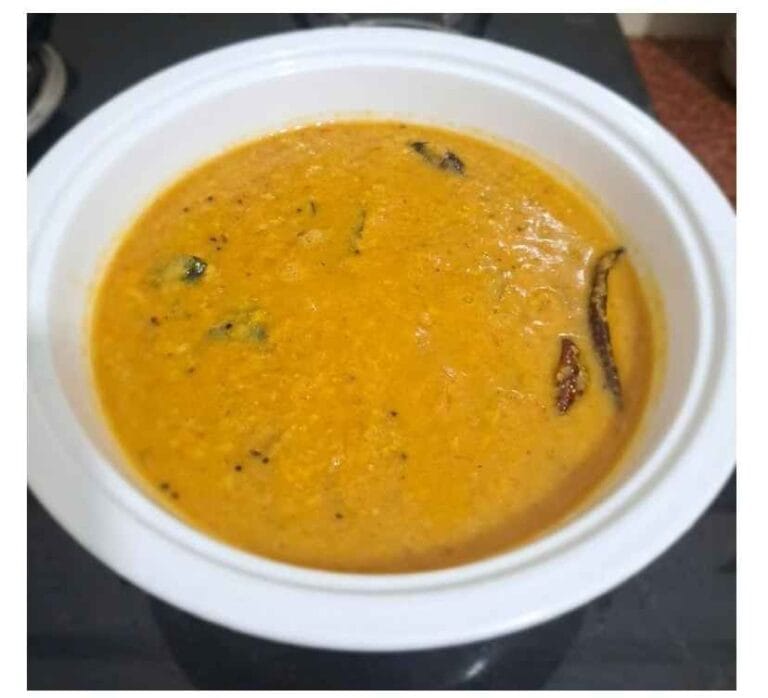
Ven pongal tastes best when served hot with a comforting side like sambar. I usually pair it with my homemade sambar, which perfectly complements the soft texture and mild flavors of pongal. You can check out my Tiffin sambar recipe to make this breakfast even more wholesome and satisfying.
This is one of those traditional South Indian recipes that everyone should try at least once—not just because it’s easy, but because it’s simple, healthy, and deeply comforting. If you’re looking for a no-stress breakfast that still feels homemade and nourishing, ven pongal is always a great choice.