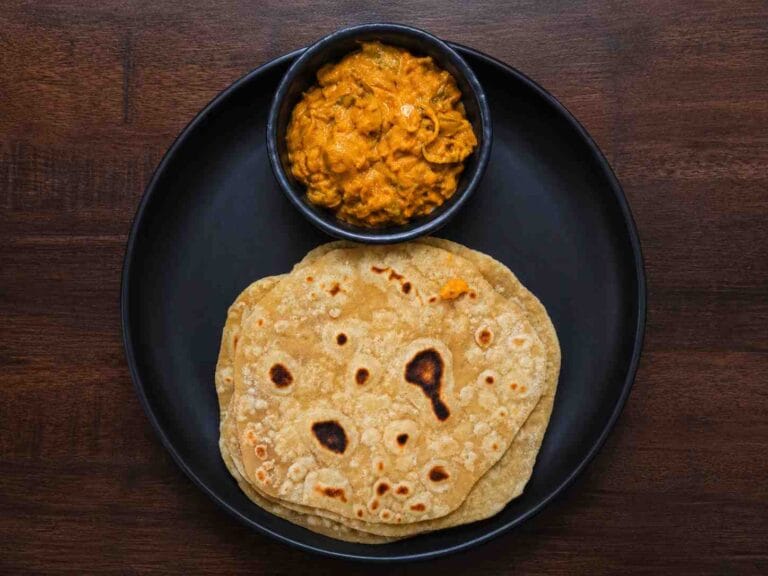
Manathakkali Vatha Kuzhambu Recipe | மணத்தக்காளி வத்தல் குழம்பு
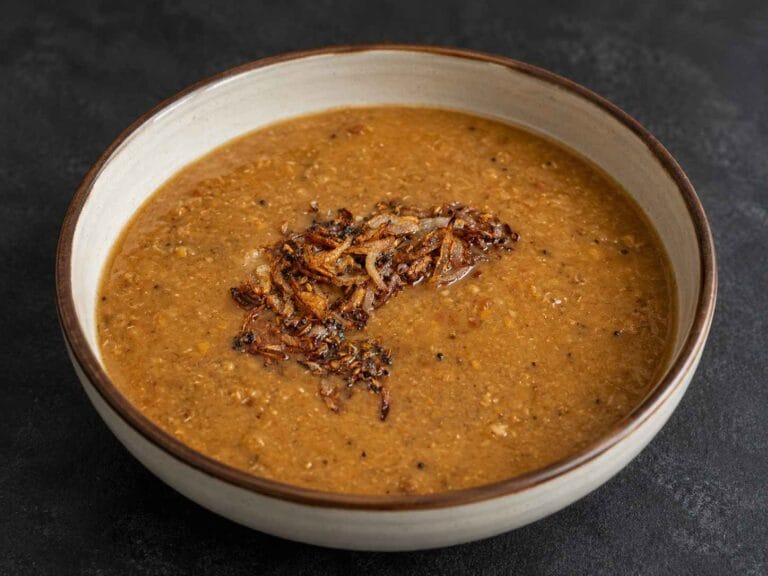
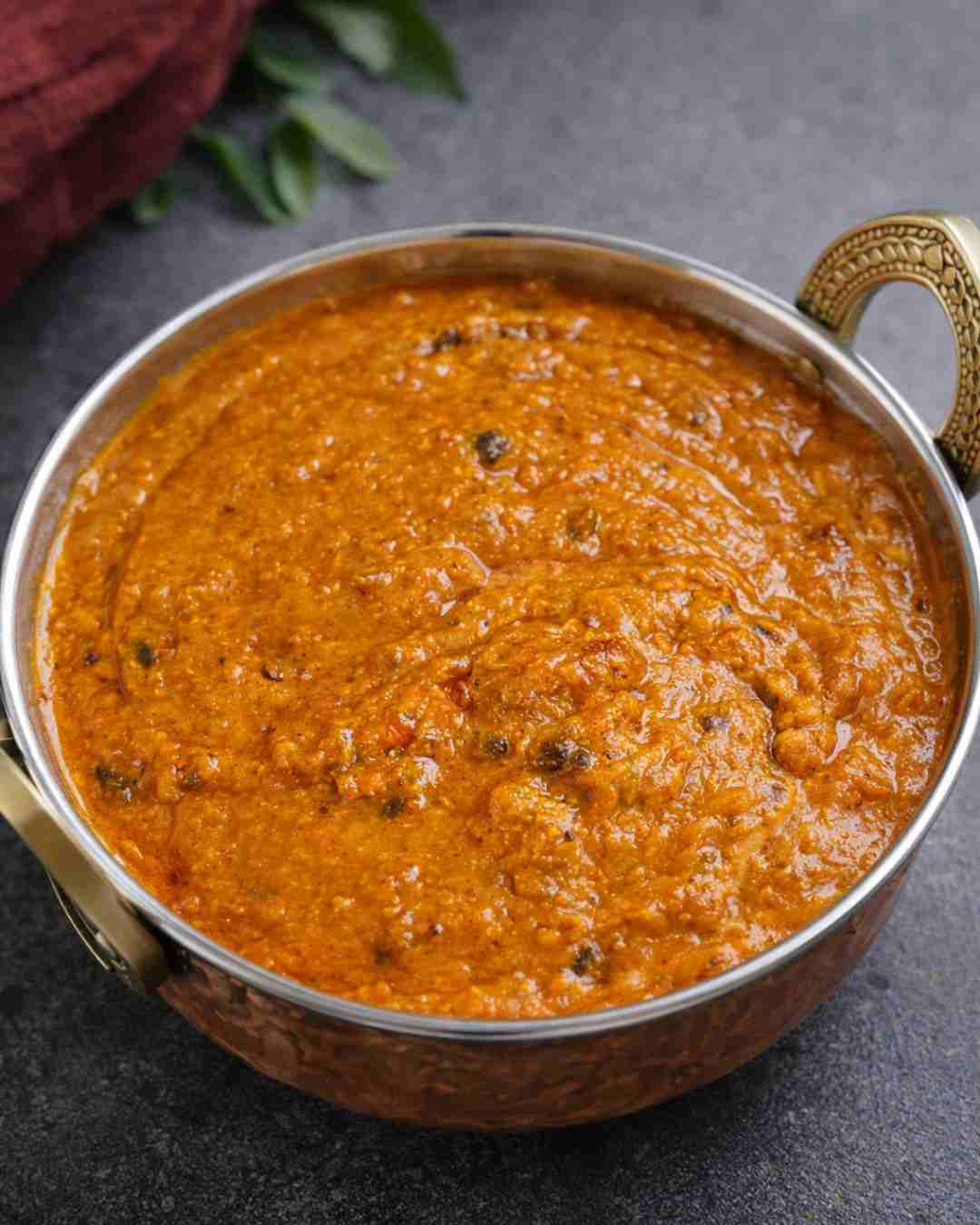
Manathakkali Vatha Kuzhambu Recipe (மணத்தக்காளி வத்தல் குழம்பு) is one of those timeless dishes that every South Indian household grows up loving. The moment this kuzhambu starts boiling in the kitchen, the whole house fills with that strong, comforting aroma that instantly brings back childhood memories. Amma’s vatha kuzhambu, slow cooked and served with hot rice and a drizzle of gingelly oil — pure happiness.
This Manathakkali Vatha Kuzhambu (மணத்தக்காளி வத்தல் குழம்பு) is not just tasty, but also very soothing for the stomach. The slight bitterness of manathakkali vathal, the tanginess of tamarind, the bold spices, and finally a small piece of jaggery added at the end — that one step makes all the difference. It beautifully balances the flavours and gives that echil oorum taste that makes you want one more serving.
It pairs wonderfully with simple sides like Vendakkai Poriyal or a smoky Sutta Kathirikkai Masiyal Recipe, making it a complete and satisfying traditional meal. Simple ingredients, slow cooking, and loads of love — that’s what makes this kuzhambu truly special. Once you try this recipe, it will surely become a regular in your kitchen too.
This is a pure South Indian vatha kuzhambu recipe, made in a traditional way, just like how it is prepared in many homes. Simple ingredients, slow cooking, and loads of love — that’s what makes this kuzhambu truly special. Once you try this recipe, it will surely become a regular in your kitchen too.
Manathakkali Vatha Kuzhambu Recipe | மணத்தக்காளி வத்தல் குழம்பு
Ingredients
Equipment
Method
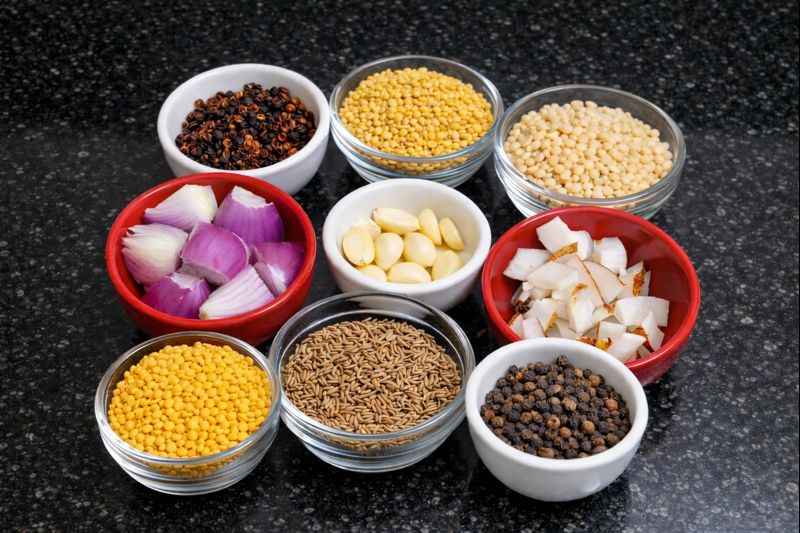
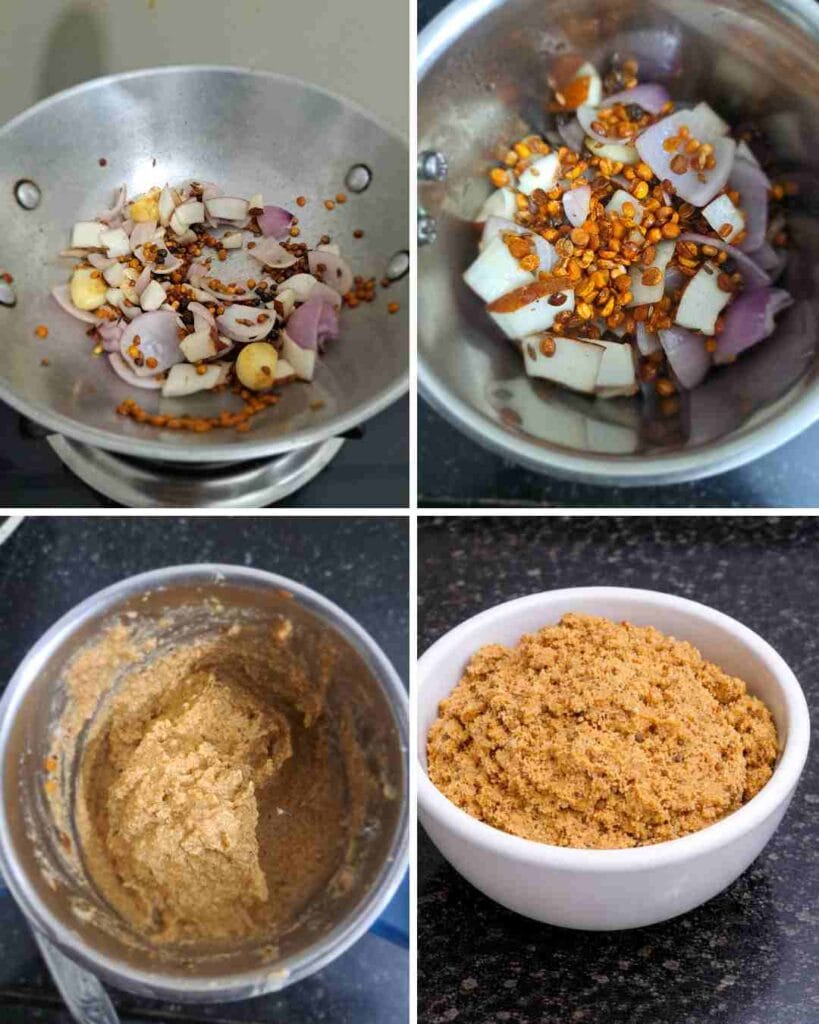
- Heat 1 tsp oil in a pan.
- Add toor dal, chana dal, urad dal, cumin, pepper, and fenugreek.
- Roast on low flame till golden brown.
- Add shallots, garlic, and grated coconut.
- Saute till aromatic. Cool completely and grind to a smooth paste.
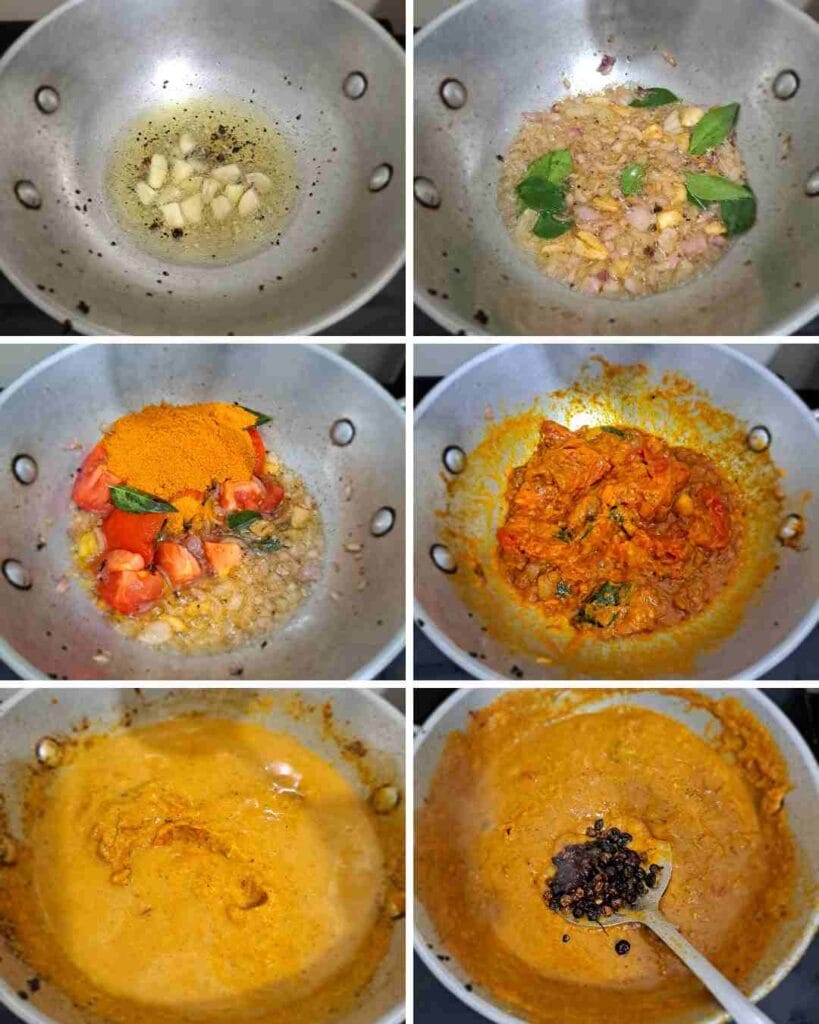
- Heat gingelly oil in a wide kadai over medium-low flame. Gingelly oil gives the authentic aroma and taste, so don’t replace it with any other oil.
- Add fenugreek seeds and a pinch of asafoetida.
- Let the fenugreek slowly turn golden. This step adds depth and helps balance the bitterness of manathakkali vathal.
- Add chopped onions, garlic cloves, and curry leaves.
- Saute gently until the onions turn soft and slightly golden and the raw smell of garlic disappears. Keep the flame low to avoid burning.
- Add the chopped tomatoes and cook them on medium-low flame . Now add Redchilli powder , corriander powder and turmeric powder. Mix well and cook gently, stirring continuously, until the raw smell of the spices disappears and oil starts separating from the mixture.
- This step is very important, as it forms the flavourful base for the kuzhambu.
- Add the prepared vatha kuzhambu paste and mix well. Cook on low flame for 2–3 minutes, stirring continuously, until the paste blends well with the tomato base and releases a nice aroma.
- Pour in the tamarind extract and add salt to taste ,mix everything well,
- Let the kuzhambu boil slowly on low flame.
- Cook until it thickens to the right consistency and oil floats on top. This slow boiling enhances the flavour and removes the raw tamarind taste.
- Finally, add a small piece of jaggery, mix well, and simmer for 2 more minutes.
- Switch off the flame and allow the kuzhambu to rest for a few minutes before serving.
- The flavours settle beautifully during this time.
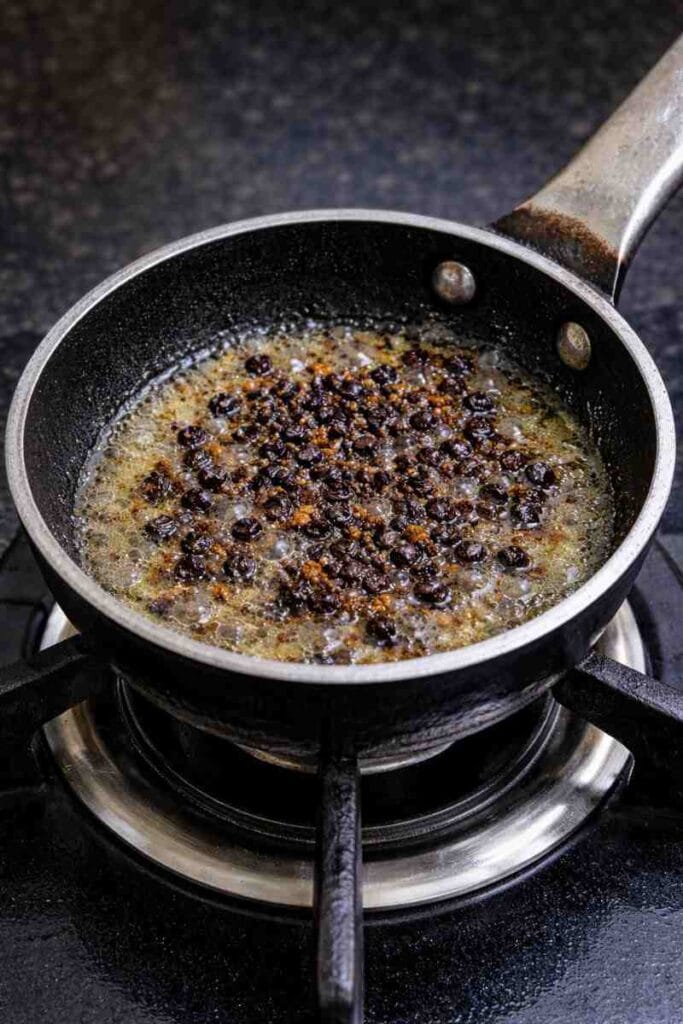
- Heat gingelly oil in a tadka pan.
- Add manathakkali vathal and fry till crisp.
- Pour this tempering over the kuzhambu and mix gently.
Notes
- Always cook vatha kuzhambu on low flame for best flavour.
- Oil separating on top indicates the kuzhambu is perfectly cooked.
- Adjust tamarind quantity based on sourness.
- Manathakkali vathal already contains salt, so add salt carefully in the beginning. Always add a little salt first, taste after the kuzhambu boils, and adjust only if needed.
- Manathakkali vathal should always be fried separately and added at the end. Adding it earlier can make the kuzhambu too sour.
Tips & Variations
- Adding jaggery at the end gives a perfect balance and enhances taste.
- You can replace manathakkali vathal with sundakkai vathal.
- Best served with hot rice, sesame oil, and appalam.
- Using small onions instead of big onions gives better taste and suits traditional vatha kuzhambu cooking.
FAQ’s for Manathakkali Vatha Kuzhambu
What is Manathakkali vathal used for?
Manathakkali vathal is commonly used to make vatha kuzhambu. It is known for its medicinal properties and is traditionally believed to be good for digestion and stomach health.
Is Manathakkali Vatha Kuzhambu good for health?
Yes, Manathakkali Vatha Kuzhambu is considered healthy when eaten in moderation. Manathakkali helps soothe stomach discomfort, and the spices used aid digestion.
How long does Manathakkali Vatha Kuzhambu stay fresh?
When stored properly, Manathakkali Vatha Kuzhambu stays fresh for 2 to 3 days at room temperature and up to a week in the refrigerator. Reheat gently before serving.
Why is my vatha kuzhambu tasting too bitter?
Bitterness usually comes from over-fried fenugreek seeds or excess manathakkali vathal. Always roast and temper on low flame and balance the taste with jaggery.
Why is manathakkali vathal added at the end of cooking?
Manathakkali vathal is added at the end to avoid excess sourness and bitterness. When added after tempering, it retains the right flavor and balances the kuzhambu perfectly.
Final Thoughts
Manathakkali Vathal Kuzhambu is best enjoyed when cooked slowly and allowed to rest for a while, letting all the flavours settle beautifully. The careful balance of spices, tamarind, and jaggery, along with the final addition of tempered manathakkali vathal, makes this kuzhambu truly satisfying.
Manathakkali vathal is traditionally known for its digestive and cooling properties and is often used in South Indian cooking to help soothe stomach discomfort and improve gut health.
Serve it with hot rice, gingelly oil, and appalam for a complete traditional meal. This recipe follows a simple, time-tested method, making it easy to recreate the same authentic taste at home, every single time.