Kavuni Puttu Recipe | Healthy Black Rice Breakfast in 15 Mins
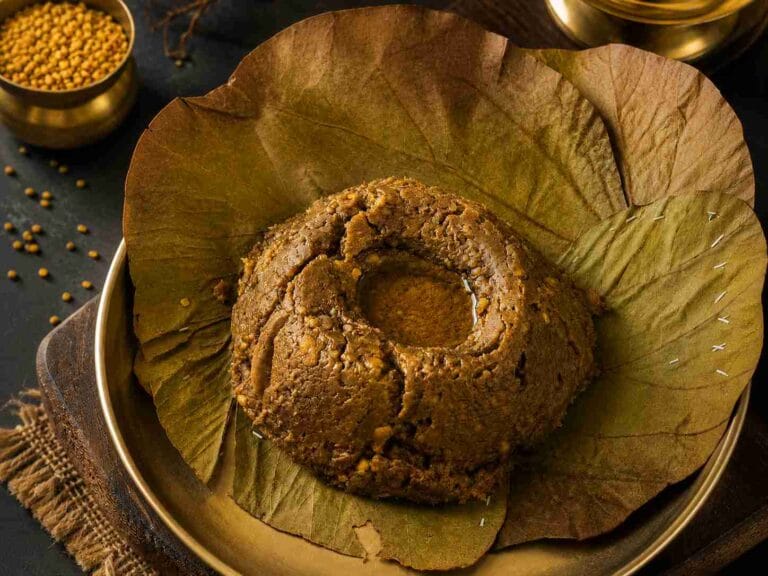
Some breakfasts feel heavy and oily early in the morning. This soft steamed kavuni puttu feels light, comforting, and keeps you full for longer. I’ve been making this kavuni puttu recipe for years, and it’s one of those traditional breakfasts that always feels comforting, healthy, and satisfying. The soft texture, mild sweetness from country jaggery, and fresh coconut make it simple but incredibly delicious.
What I love most about this recipe is that it’s naturally steamed, made without oil, and surprisingly filling. It works perfectly as a healthy South Indian breakfast, especially on busy mornings when you want something homemade without spending too much time in the kitchen.
The secret to soft kavuni puttu is getting the flour consistency just right. Once you understand that texture, this recipe becomes very easy to make every single time.
For this version, I used home made kavuni powder to make the process quicker and beginner-friendly. Whenever I visit my hometown, my mother always gives me homemade kavuni powder prepared in the traditional way. That’s what makes this recipe feel even more special and comforting to me. I used that homemade kavuni powder for this puttu recipe, which gives it a beautiful flavor and authentic texture.
The traditional method of soaking, drying, and grinding kavuni rice that my mother follows at home is also explained below for anyone who wants to make the flour from scratch.
What is Kavuni Puttu?
Kavuni Puttu, also called Karuppu Kavuni Puttu or Black Rice Puttu, is a traditional Tamil-style steamed dish prepared using black rice flour. Kavuni rice has been used in South Indian cooking for generations and is known for its earthy flavor, rich texture, and naturally dark purple-black color.
Unlike many modern breakfast recipes, this puttu is steamed instead of fried, making it a lighter and healthier breakfast option.
This recipe is especially popular among people looking for:
- healthy South Indian breakfast ideas
- fiber rich breakfast recipes
- no oil breakfast recipes
- traditional Tamil breakfast recipes
- steamed breakfast recipes
If you enjoy traditional healthy breakfasts, you may also like this detailed guide on healthy millet recipes.
Why You’ll Love This Kavuni Puttu Recipe
Naturally Healthy and Filling
Kavuni rice is naturally rich in fiber and helps keep you full for longer. This makes it a great option for a healthy breakfast.
Steamed Breakfast Without Oil
This recipe is prepared completely by steaming, making it suitable for people searching for breakfast without oil or light morning meals.
Traditional Tamil Recipe
This is an authentic homemade Tamil breakfast recipe with simple ingredients and traditional preparation.
Beginner Friendly
The recipe is very simple once you understand the correct puttu flour consistency.
Benefits of Kavuni Rice
Karuppu Kavuni rice is traditionally valued for its nutritional qualities. It is commonly included in healthy food recipes because it is:
- naturally rich in fiber
- filling and satisfying
- traditionally considered nutrient dense
- less processed compared to refined breakfast foods
- suitable for healthy homemade breakfast recipes
Because this recipe is steamed with coconut and jaggery, it feels comforting while still being lighter than many fried breakfast dishes.
How to make Karuppu Kavuni Puttu Recipe
Ingredients Needed
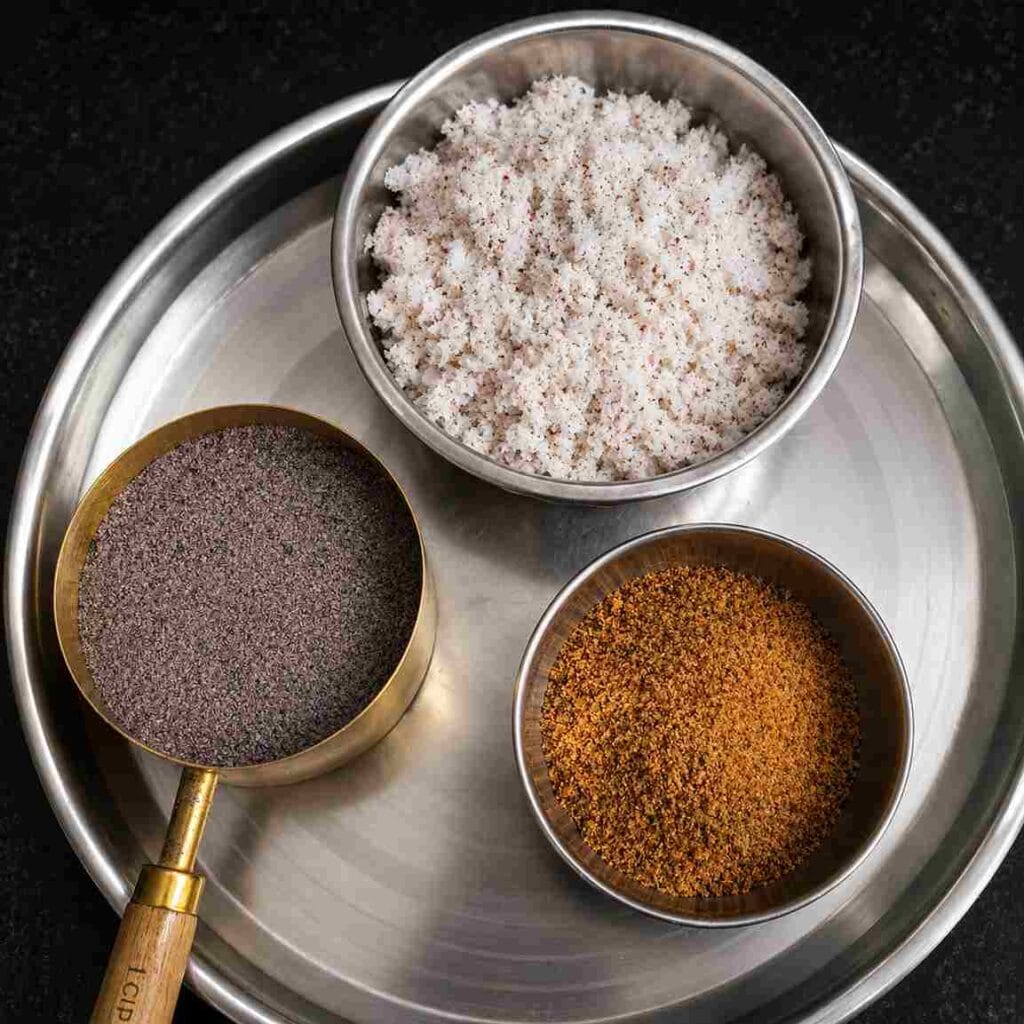
- 1 cup Kavuni powder (200 grams)
- 1/2 cup grated coconut
- 1/2 cup country jaggery
- Salt to taste
- 1/4 cup water (adjust based on flour texture)
Looking for more easy morning dishes? Explore our collection of South Indian breakfast recipes.
Step-by-Step Preparation
Step 1: Prepare the Flour
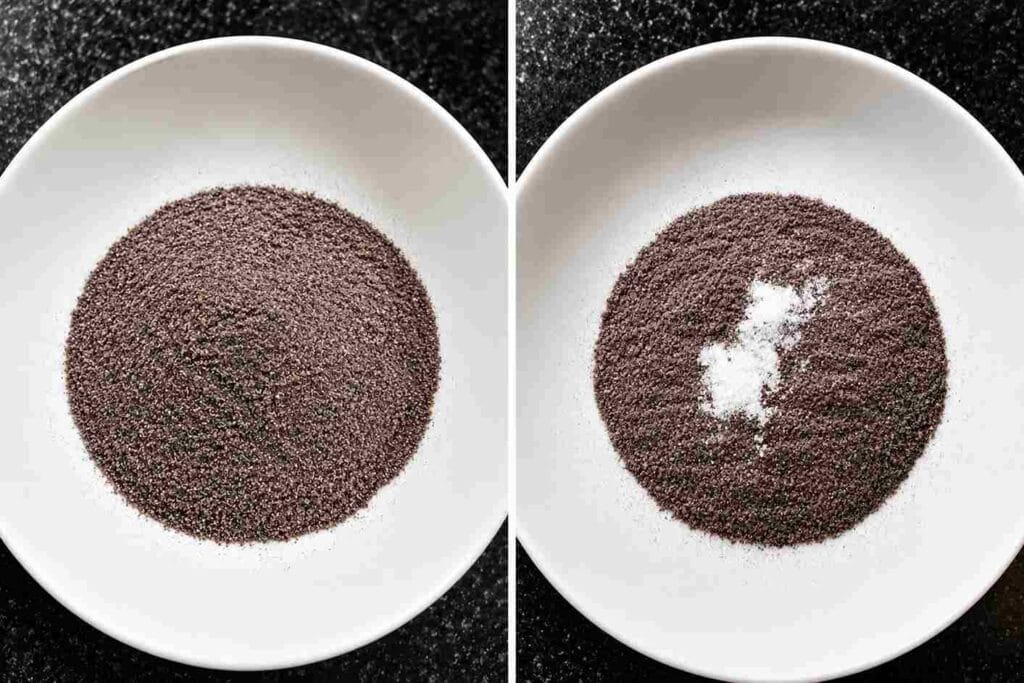
- Add your 1 cup of kavuni powder to a wide mixing bowl along with ¼ tsp salt.
- Mix it well with your fingers—literally use your hands. This helps break up any lumps in the flour.
Step 2: Check the Texture
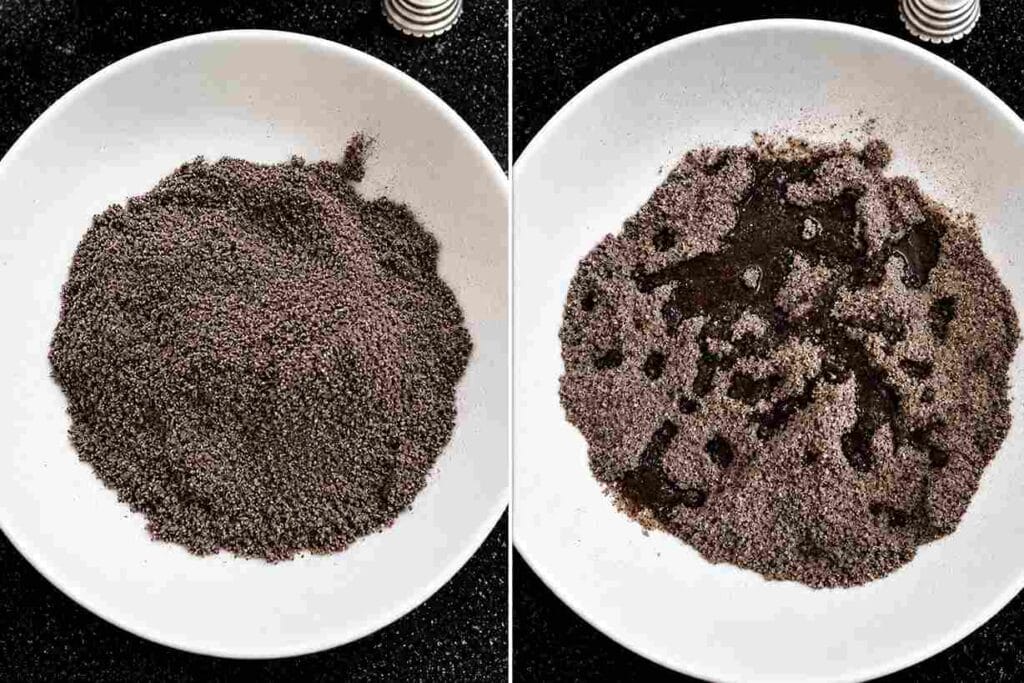
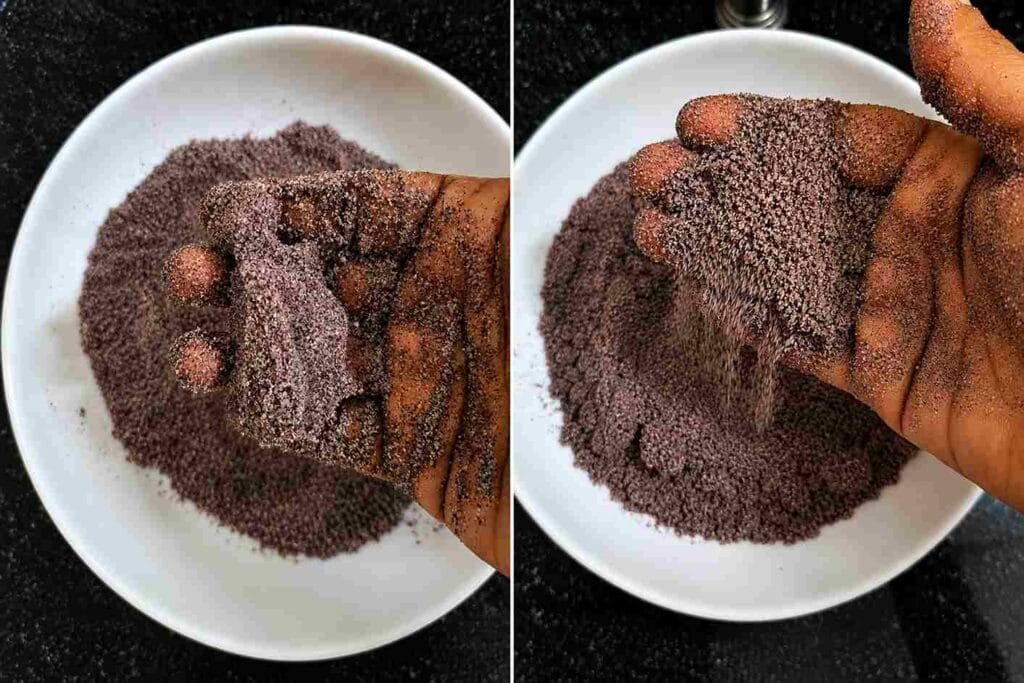
- Now, the crucial part: Add water slowly. I’m talking about a tablespoon at a time, then a few teaspoons. Mix with your fingers after each addition.
- Keep going until the flour feels crumbly and moist. You’re aiming for that “wet sand” texture I mentioned.
- This usually takes about ¼ cup water, but your flour might need more or less depending on flour texture . Go slow.
Step 3: Fill the Puttu Maker
- Fill the bottom section of your puttu maker with about ¾ cup water. Put it on medium heat and bring it to a rolling boil—you want actual bubbles, not just steam.
- Meanwhile the water heats, fill the cylinder (the part that actually holds the mixture) with puttu flour. Here’s what I do:
Layer 1: Add a thin layer of grated coconut at the bottom (about 2 tablespoons)
Layer 2: Add about ⅓ of your flour mixture. Don’t pack it tight. Just gently add it and let it sit.
Layer 3: Another thin layer of coconut
Layer 4: Another ⅓ of flour
Layer 5: Final layer of coconut
Layer 6: Last of the flour on top
Why layers? They help distribute the coconut evenly so every bite has that coconut flavor and texture.
(or)
- you can fill the top cylinder with the prepared flour and grated coconut for steaming
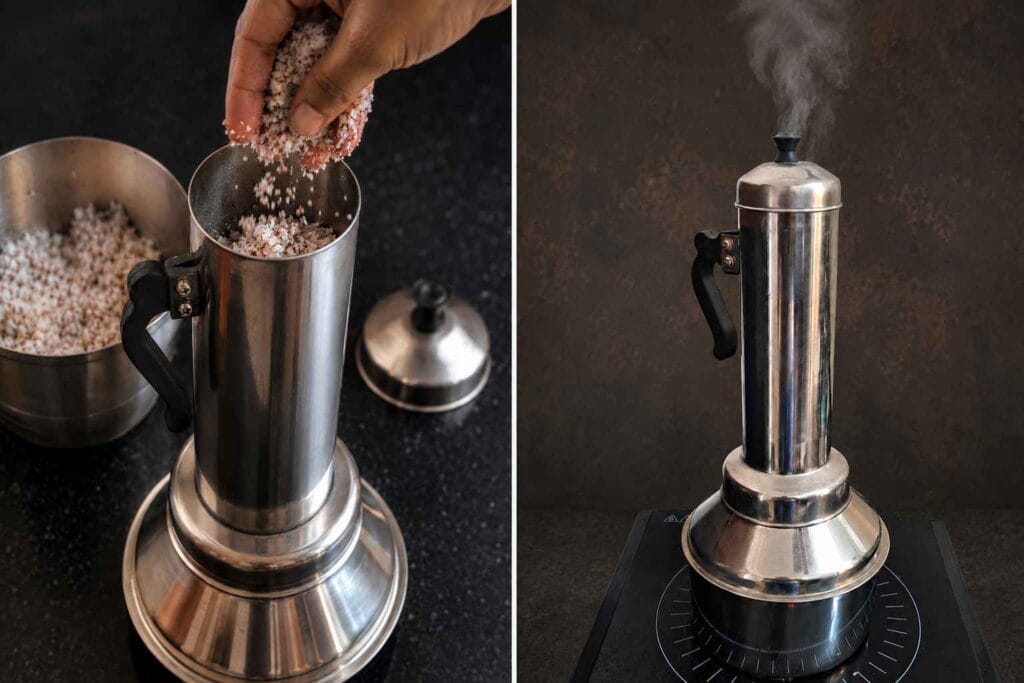
Step 4: Steam the Puttu
Once your water is boiling hard, carefully attach the cylinder to the puttu maker. Make sure it’s secure.
Steam for about 10-12 minutes. You’ll know it’s done when:
- Steam is releasing from the top
- You can smell that cooked black rice aroma
- If you are not sure the puttu is cooked, take a small portion and roll it with your fingers. If it feels soft and not raw inside, the kavuni puttu is ready.
Pro tip: Try not to open the puttu maker again and again while steaming. Let it cook undisturbed, because releasing the steam too often can make the puttu less soft and fluffy.
Step 5: Serve Hot
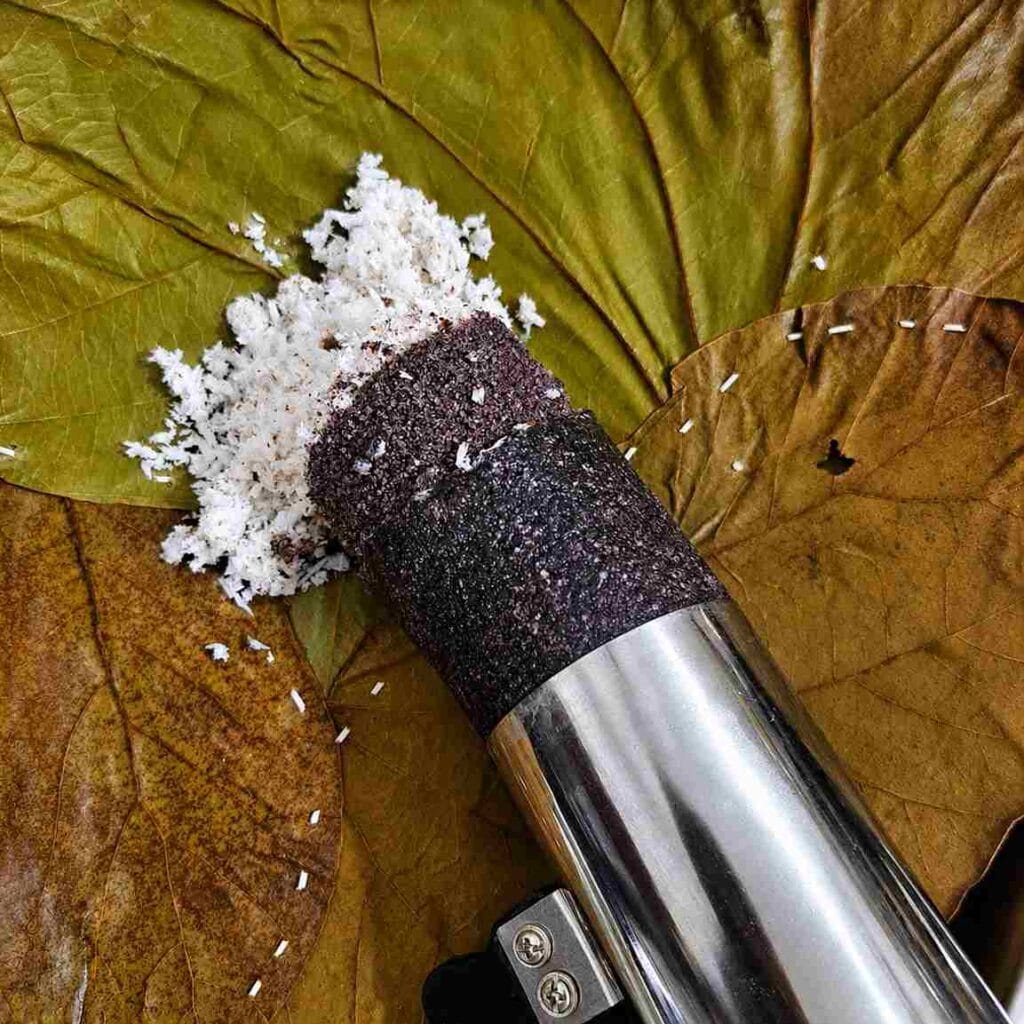
- Once steamed, switch off the heat and let it rest for 30 seconds. Carefully remove the puttu cylinder and gently push the puttu onto a plate.
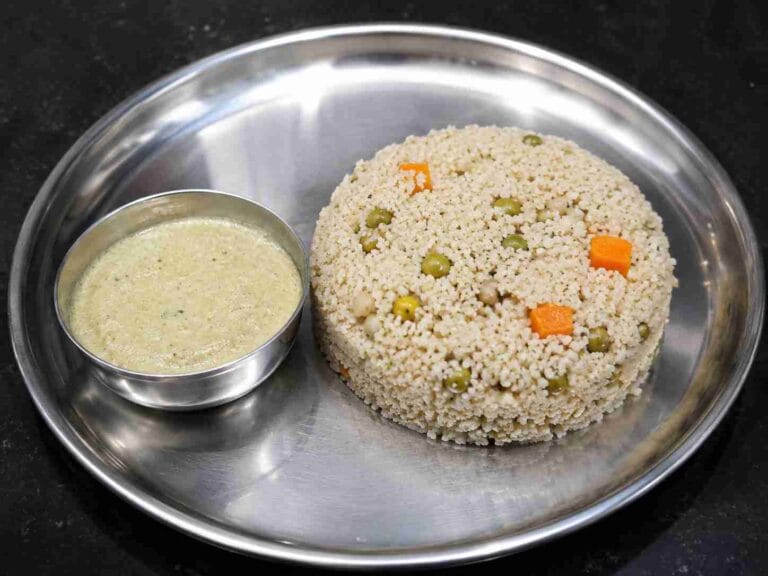
- The puttu should look soft, moist, and slightly crumbly with coconut layers visible. Let it cool for a minute, then fluff it gently with a fork before serving.
The Most Important Step: Getting the Flour Texture Right
- Before steaming, the most important thing is getting the flour texture correct. This one small step decides whether your puttu turns soft or hard.
- The flour should feel like slightly wet sand — not too dry, not sticky, and not dough-like.
- Here’s the simple test I always follow:
Take a small handful of flour and press it gently in your palm. It should hold its shape for a moment. When you touch or break it lightly, it should crumble easily. - If the flour feels too dry and won’t hold shape, sprinkle a little more water.
If it becomes sticky or forms a dough, then too much water has been added. - This texture is what gives kavuni puttu that soft, fluffy finish after steaming.
How to Know Kavuni Puttu is Cooked Properly
Knowing when kavuni puttu is perfectly cooked is very important for getting that soft and fluffy texture. Since this recipe is steamed, a few simple signs will help you know when it’s ready.
Here’s what I usually check while making puttu at home:
- Steam should release properly from the top of the puttu maker.
- You’ll start getting a nice cooked black rice aroma after a few minutes.
- The puttu should feel soft and moist, not wet or sticky.
- If you gently press a small portion with your fingers, it should hold softly without feeling raw inside.
- The texture should look crumbly and fluffy instead of dense or hard.
Usually, steaming for about 10–12 minutes on medium heat works perfectly for soft kavuni puttu.
Tips for Soft Kavuni Puttu Recipe
- Always sprinkle water gradually.
- Do not tightly pack the flour inside the puttu maker.
- Fresh coconut improves softness.
- Steam on medium heat.
- Serve immediately for best texture.
Traditional Method: Making Kavuni Puttu Flour from Whole Rice
If you want to make kavuni puttu the traditional way, you can easily prepare the flour at home too. This is the method my mother usually follows.
Step 1: Soak & Dry the Rice
Wash 1 cup of kavuni rice well and soak it in enough water for 6–8 hours or overnight.
Drain the water completely and spread the rice on a clean cloth for about 15–20 minutes. The rice should feel slightly moist, not fully dry.
Step 2: Grind the Rice
Grind the rice into a slightly coarse flour using a mixer or flour mill. The texture should feel slightly sandy, not very smooth.
Step 3: Roast the Flour
Dry roast the flour on low heat for 3–4 minutes while stirring gently. This helps remove extra moisture and gives a nice aroma.
Step 4: Prepare the Puttu
Once the flour cools down, sieve it gently to remove lumps and follow the same mixing and steaming steps explained above.
The homemade version has a slightly deeper flavor and more traditional texture. But honestly, the ready-made powder version also works really well for quick everyday cooking.
Serving Suggestions: Ways to Enjoy Kavuni Puttu
Kavuni puttu tastes delicious on its own, but here are some of my favorite ways to enjoy it:
- With Country Jaggery: Serve with small pieces of country jaggery on the side for a simple traditional combination.
- With Banana: Soft banana pairs really well with the mild sweetness and soft texture of the puttu.
- With Ghee: Drizzle a little warm ghee on top while the puttu is still hot. You can also add a pinch of cardamom powder for extra flavor.
- With Warm Milk: Some people enjoy crumbling the puttu into warm milk, especially for breakfast or evening tiffin.
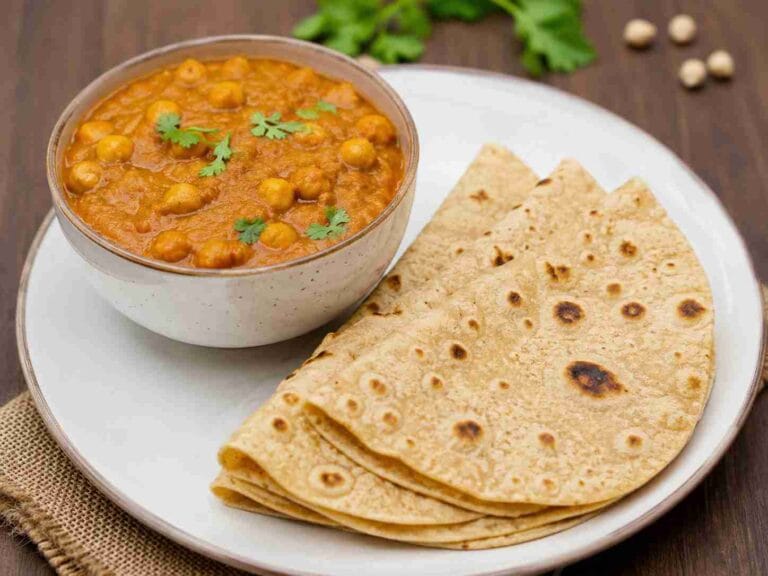
- With Kadalai Curry: If you prefer a less sweet version, serve kavuni puttu with kadalai curry. The spicy curry tastes really good with the soft steamed puttu.
- As a Light Dinner: Since it’s steamed and filling, kavuni puttu also works well as a light dinner or evening meal.
If you love kavuni rice recipes, do try this soft and fudgy Karuppu Kavuni Brownie recipe too.
Kavuni Puttu Recipe
Ingredients
Equipment
Method
- Add kavuni powder to a wide mixing bowl.
- Add salt and mix well using your hands.
- Sprinkle water little by little while gently mixing the flour.
- Continue mixing until the flour reaches puttu flour consistency.
- When pressed, the flour should form a lump and crumble easily when broken.
- Add around 3/4 water to the bottom section of the puttu maker.
- Heat the water until it reaches a rolling boil.
- Meanwhile, fill the puttu maker cylinder with the prepared flour mixture.
- Add grated coconut on the top layer.
- Attach the cylinder to the puttu maker.
- Steam for about 10 minutes until steam releases properly.
- Remove carefully and unmould the puttu gently.
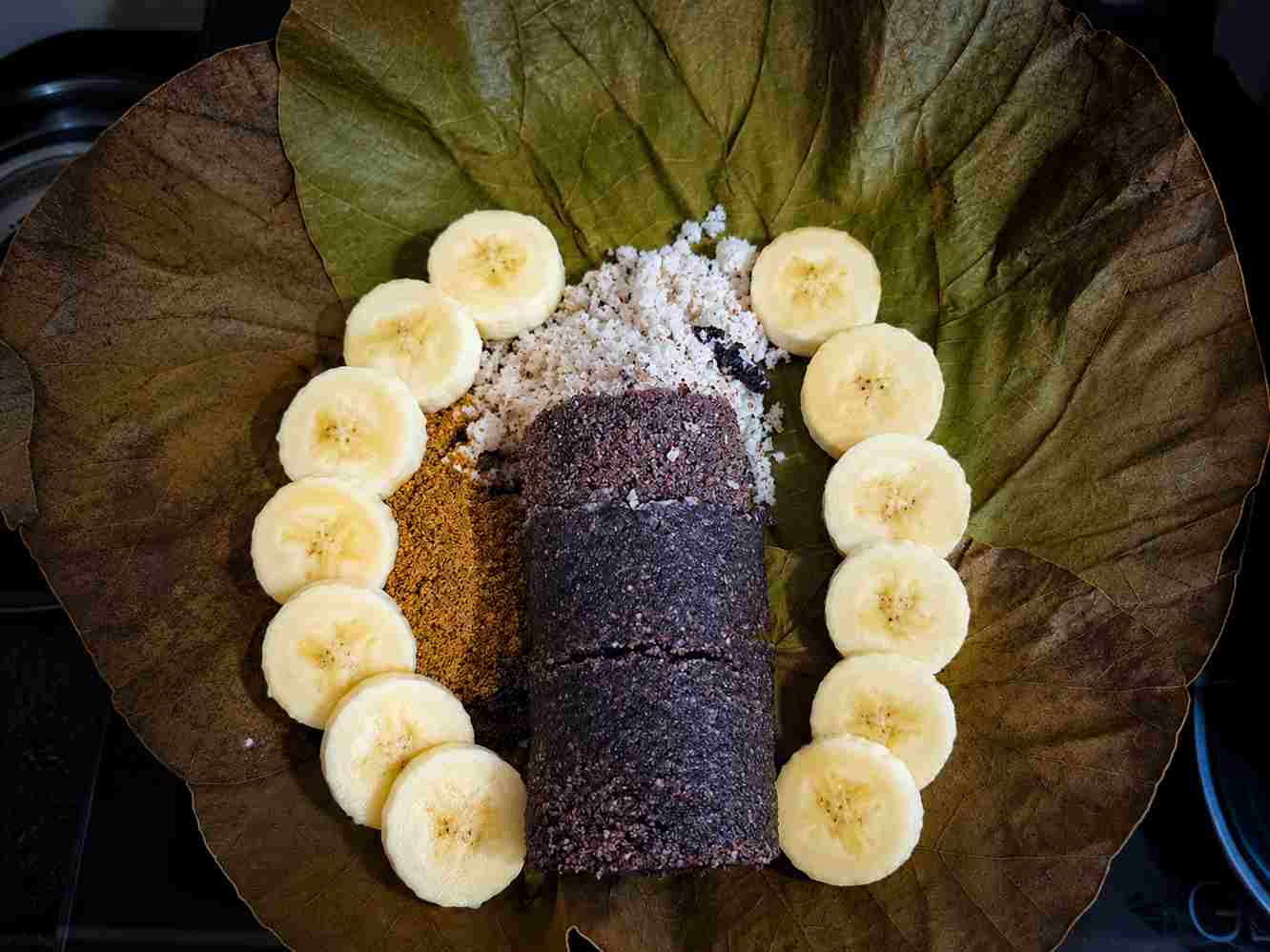
- Serve hot with country jaggery, banana slices, or extra coconut.
Notes
- The flour texture is the most important step for soft puttu. It should hold shape when pressed and crumble easily when touched.
- Add water little by little while mixing the flour. Too much water can make the puttu dense or sticky.
- Do not tightly pack the flour inside the puttu maker. Keep it loose for better steaming.
- Steam only after the water starts boiling properly.
- Fresh grated coconut gives the best flavor and texture.
- Cooking time may slightly vary depending on the puttu maker and flame intensity.
- Homemade kavuni flour gives a more traditional taste, but ready-made kavuni powder also works very well for quick cooking.
- Kavuni puttu tastes best when served hot or warm.
For more traditional dishes like this, check out our South Indian classics recipe collection.
FAQs About Kavuni Puttu
Is kavuni puttu healthy?
Yes, kavuni puttu is considered a healthy breakfast option because it is steamed and made without oil. Kavuni rice is naturally rich in fiber, and using country jaggery instead of refined sugar makes it a better traditional alternative for sweet breakfast recipes.
Can I make kavuni puttu without a puttu maker?
Yes. You can steam it using an idli steamer or any regular steamer. The shape may be different, but the taste and texture will still be good.
How do I store leftover puttu?
Store leftover puttu in an airtight container in the refrigerator for up to 2 days. Reheat it by steaming again for a few minutes or warming it slightly before serving.
Is kavuni puttu good for weight loss?
Kavuni puttu is not a “weight loss food,” but it can be a healthier breakfast choice because it is steamed, filling, and naturally rich in fiber. Since it keeps you full for longer, it may help avoid unnecessary snacking.
Can I use powdered jaggery instead of country jaggery?
Yes, powdered jaggery works well too. But country jaggery gives a deeper and more traditional flavor.
Why is my puttu hard?
Usually this happens if: the flour is too dry, the flour is tightly packed and
the steaming time is too long
If you want to learn more about the health benefits of black rice, you can read here
If you enjoy healthy Tamil breakfast recipes or traditional steamed foods, then this Karuppu Kavuni Puttu is definitely worth trying at home.
If you make this recipe, I’d love to hear how it turned out for you. Leave a comment below and share your experience.
And if you enjoy simple homemade South Indian recipes like this, don’t forget to subscribe to our newsletter for more traditional recipes, healthy breakfast ideas, and home-style cooking updates.
Happy Cooking!