Soft Coconut Dosa Recipe | Easy Dosa Without Urad Dal
Soft Coconut Dosa Recipe, also known as Thengai Dosa, is a soft and spongy South Indian dosa made with raw rice, fresh coconut, and leftover rice. Unlike regular dosa recipes, this version does not need urad dal or poha, making it simple and convenient for everyday cooking.
What I like most about this homemade coconut dosa is how naturally soft it turns out after fermentation. The fresh coconut gives a mild flavor and fluffy texture, while the leftover rice helps keep the dosa soft even after cooling down. It is perfect for breakfast, dinner, or even lunch box.
I make this recipe often at home on busy days because the batter preparation is easy and requires very few ingredients. Just soak, grind, ferment overnight, and make soft dosa the next morning. This Thengai dosa tastes very good with coconut chutney, tomato chutney, or spicy gravy.
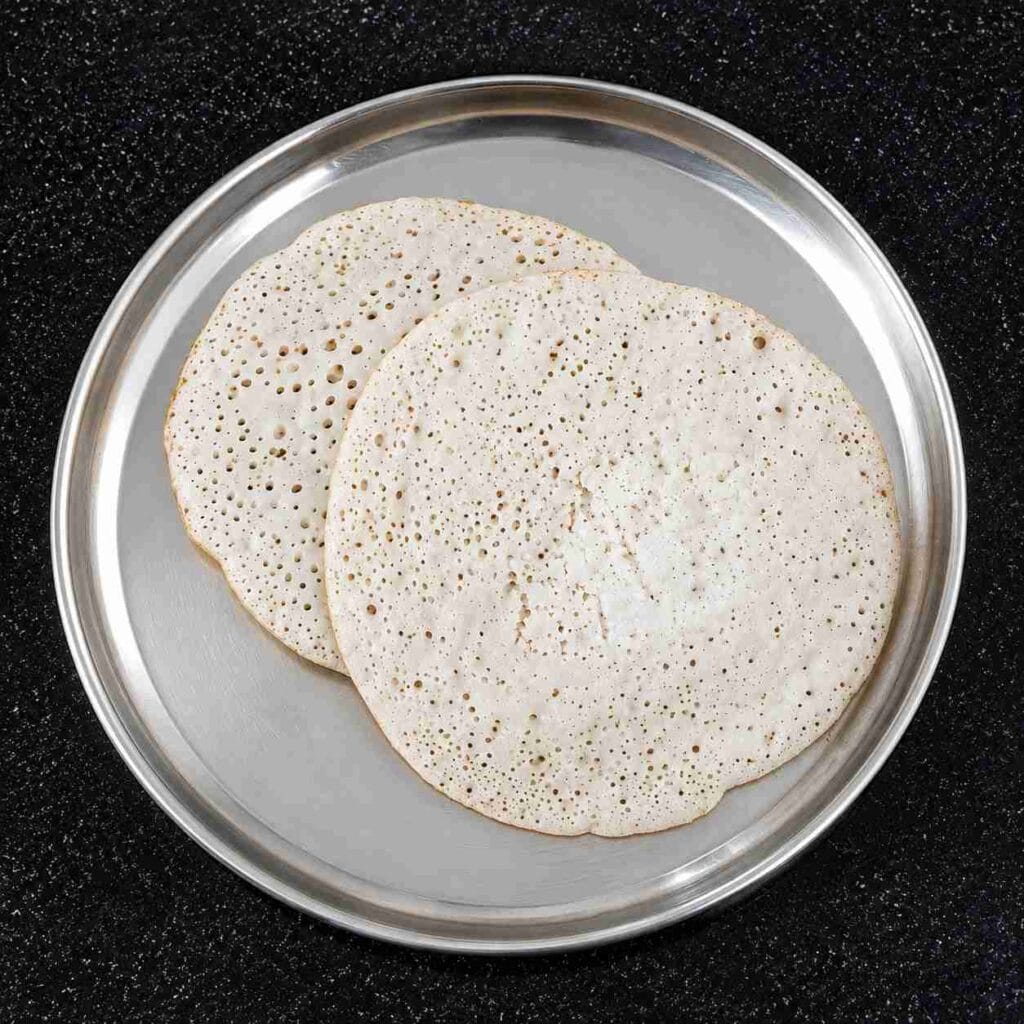
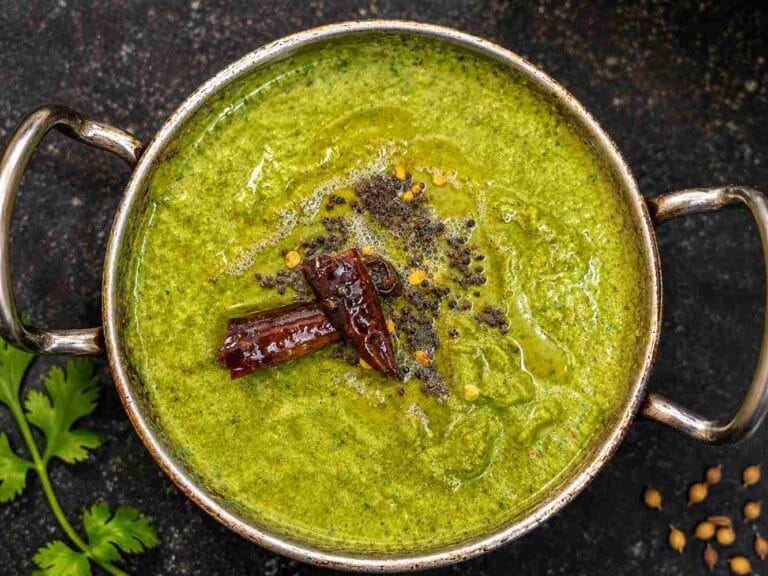
This soft coconut dosa tastes very good with simple side dishes like coconut chutney or Coriander Chutney Recipe
Ingredients Required for Soft Coconut Dosa Recipe
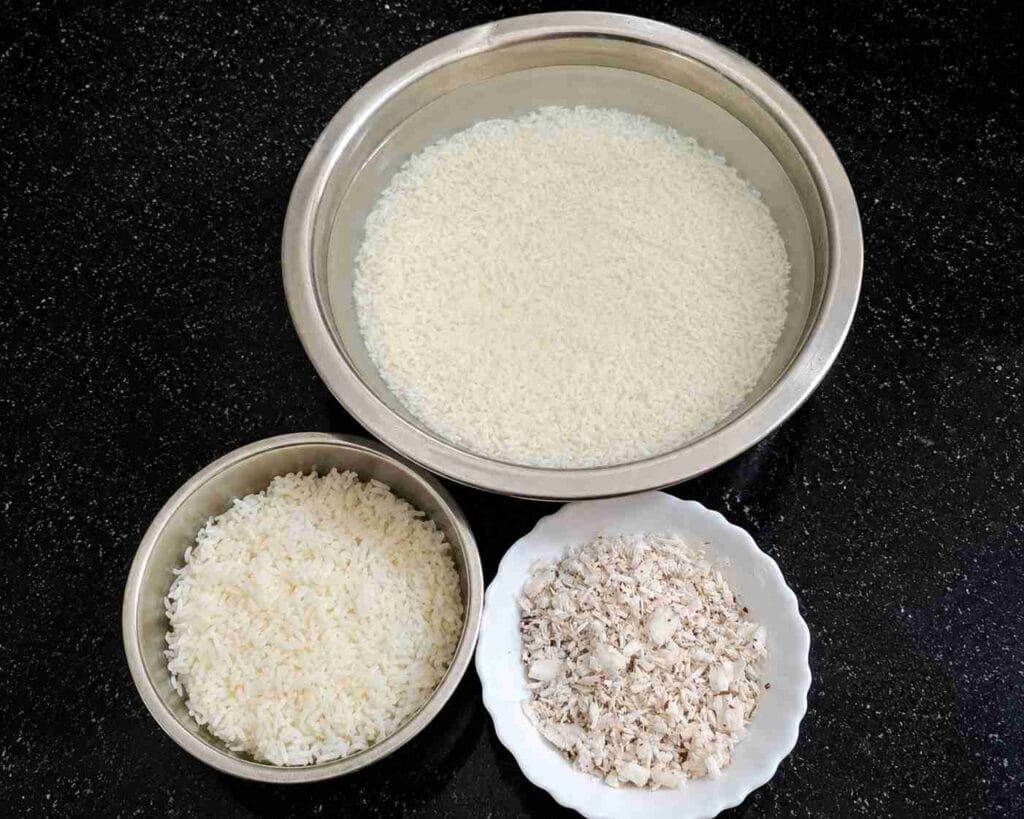
- 1 cup raw rice – 300gms
- 1/2 cup fresh grated coconut – 250 gms
- 1/2 cup boiled rice or leftover rice – 250gms
- Salt as needed
- 3/4 cup Water required for me – 250ml (aprox)
- Oil for cooking
How to make Soft Coconut Dosa Recipe (step by step )
1. Wash and soak the rice
Take 1 cup raw rice and wash it 2–3 times until the water looks clean. Soak the rice in enough water for about 4 hours.
2. Grind coconut and leftover rice first
Add fresh grated coconut and leftover rice to a mixer jar. Grind without adding water at first. Then add very little water and grind until smooth.
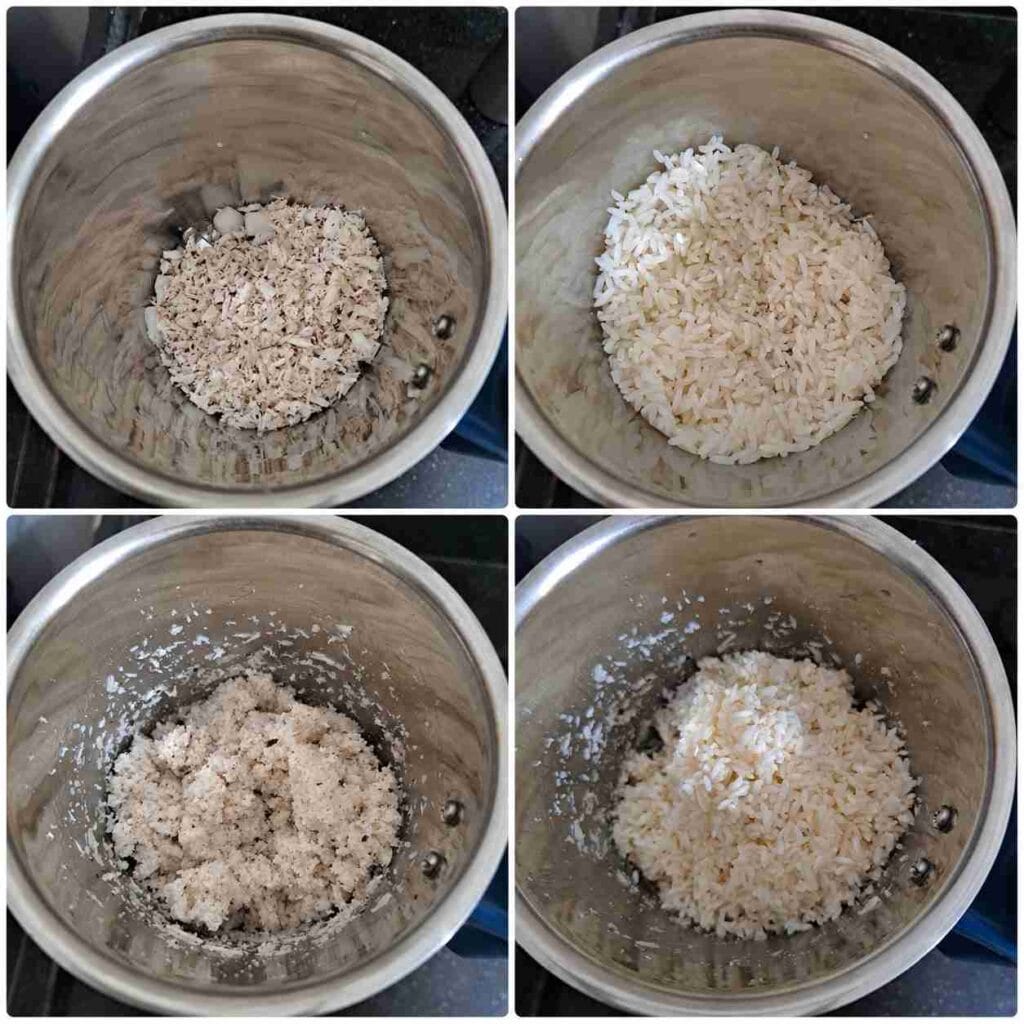
3. Add soaked rice and grind to a smooth batter
Drain the soaked rice completely and add it to the mixer jar. Grind everything together by adding water little by little until the batter becomes smooth.
The batter should not be too thick or too watery at this stage.
Note : 3/4 cup water (required for me to grind) – Add little by little while grinding to make a smooth batter.
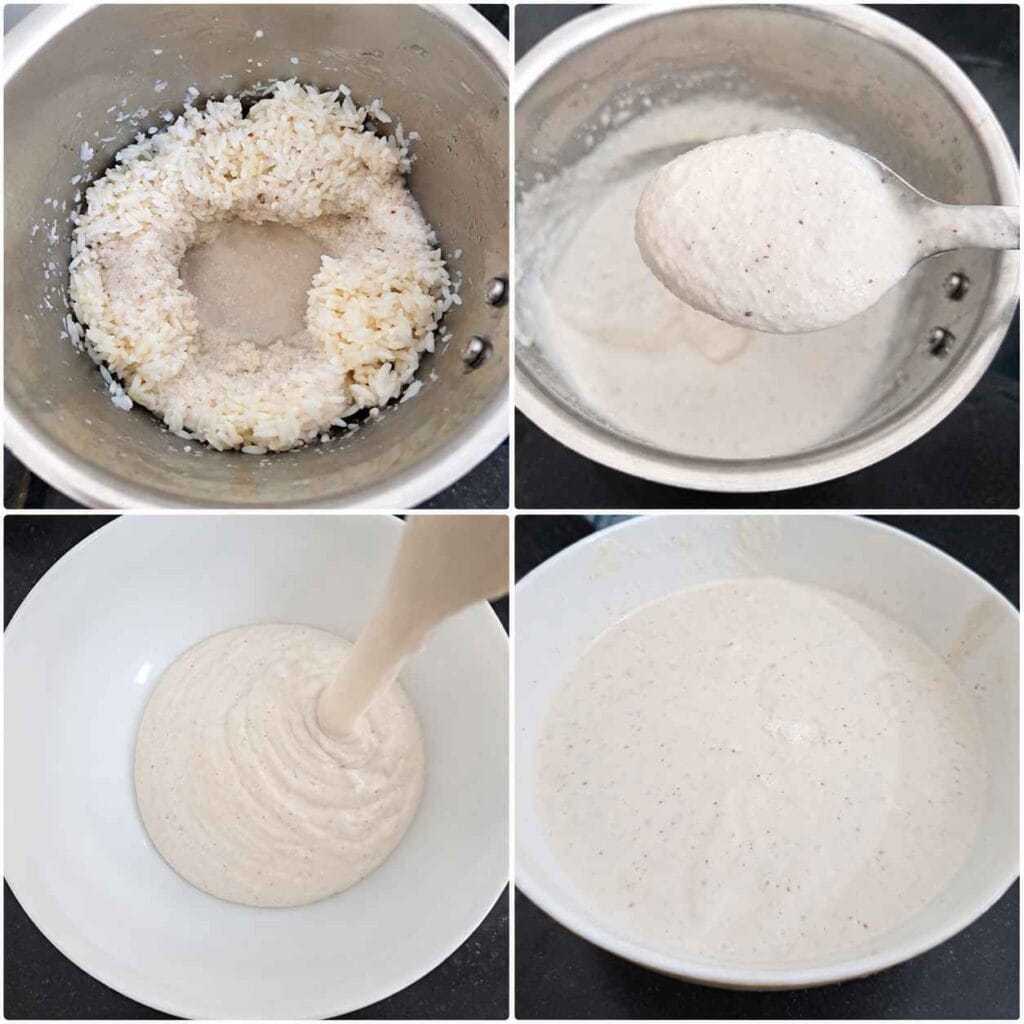
4. Add salt and ferment overnight
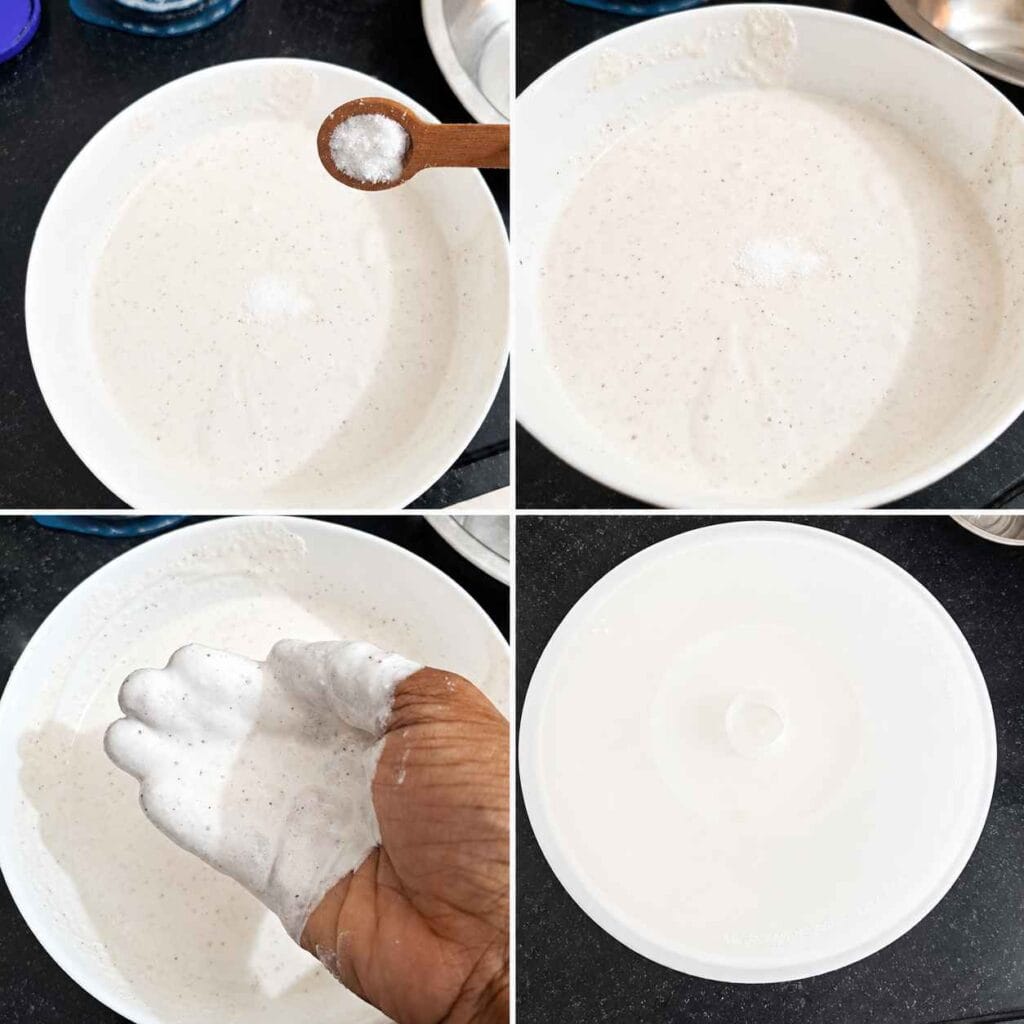
Transfer the batter to a bowl and add salt as needed. Mix the batter well using your hand. Cover and allow it to ferment overnight or for 8–10 hours.
The next day, the batter will look slightly raised, airy, and bubbly.
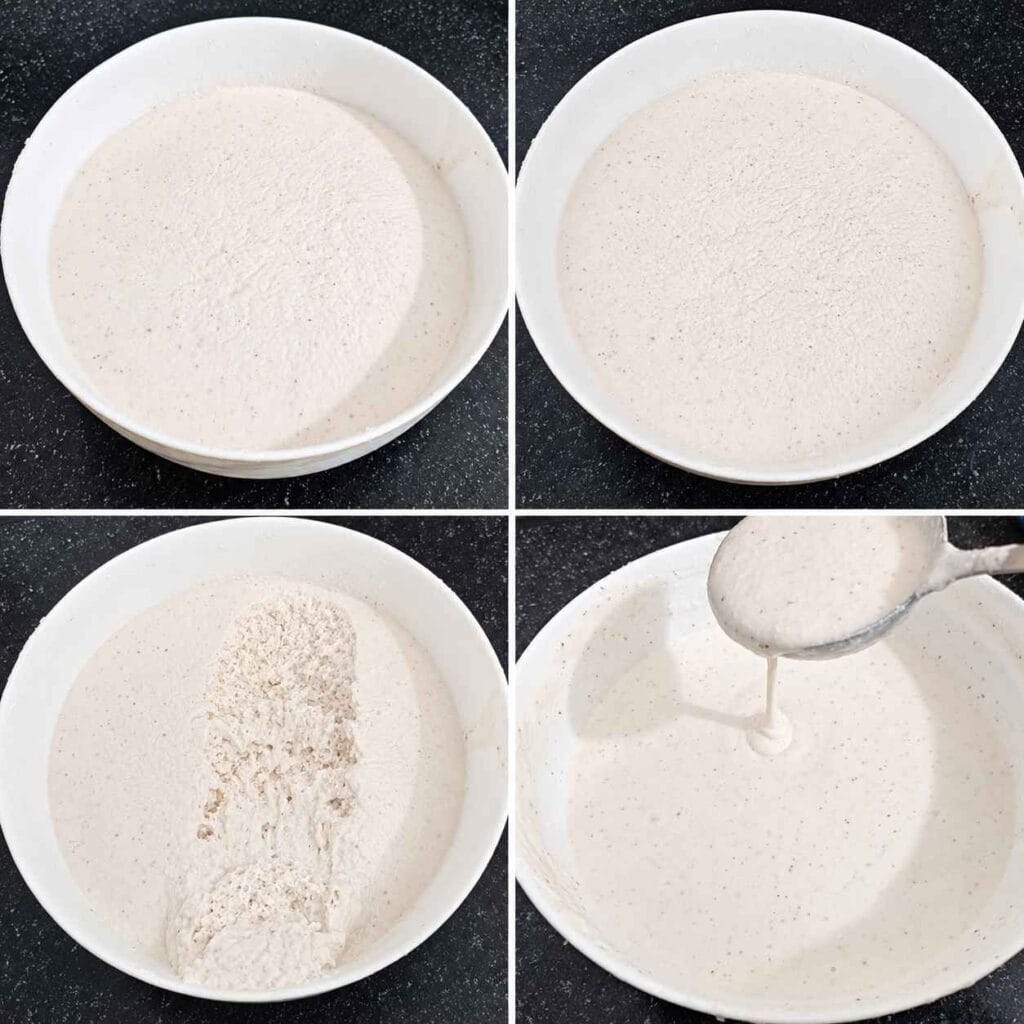
5. Check the batter consistency
After fermentation, gently mix the batter once. For soft coconut dosa, the batter should be slightly thinner than regular dosa batter.
If the batter looks thick, add little water and mix gently.
6. Make the dosa
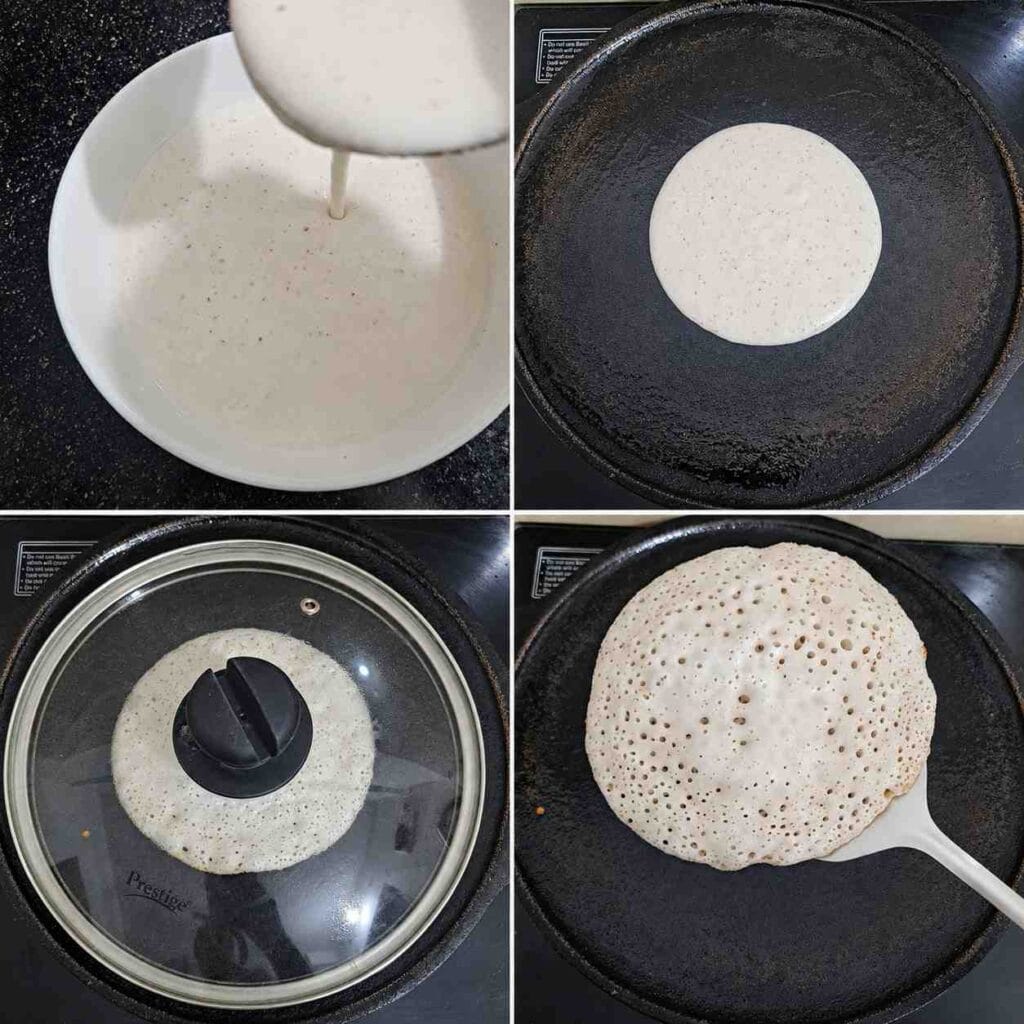
Heat the dosa tawa properly on medium flame and lightly grease it with oil. Once the tawa becomes hot, pour one ladle of batter gently in the center.
Do not spread the batter like regular crispy dosa. Simply pour the batter and let it spread naturally on its own. Add little oil around the dosa, cover with a lid, and cook until soft and cooked completely.
Note : For extra soft dosa, you can add a small pinch or 1/4 teaspoon baking soda to the batter just before making the dosa.
7. Serve hot
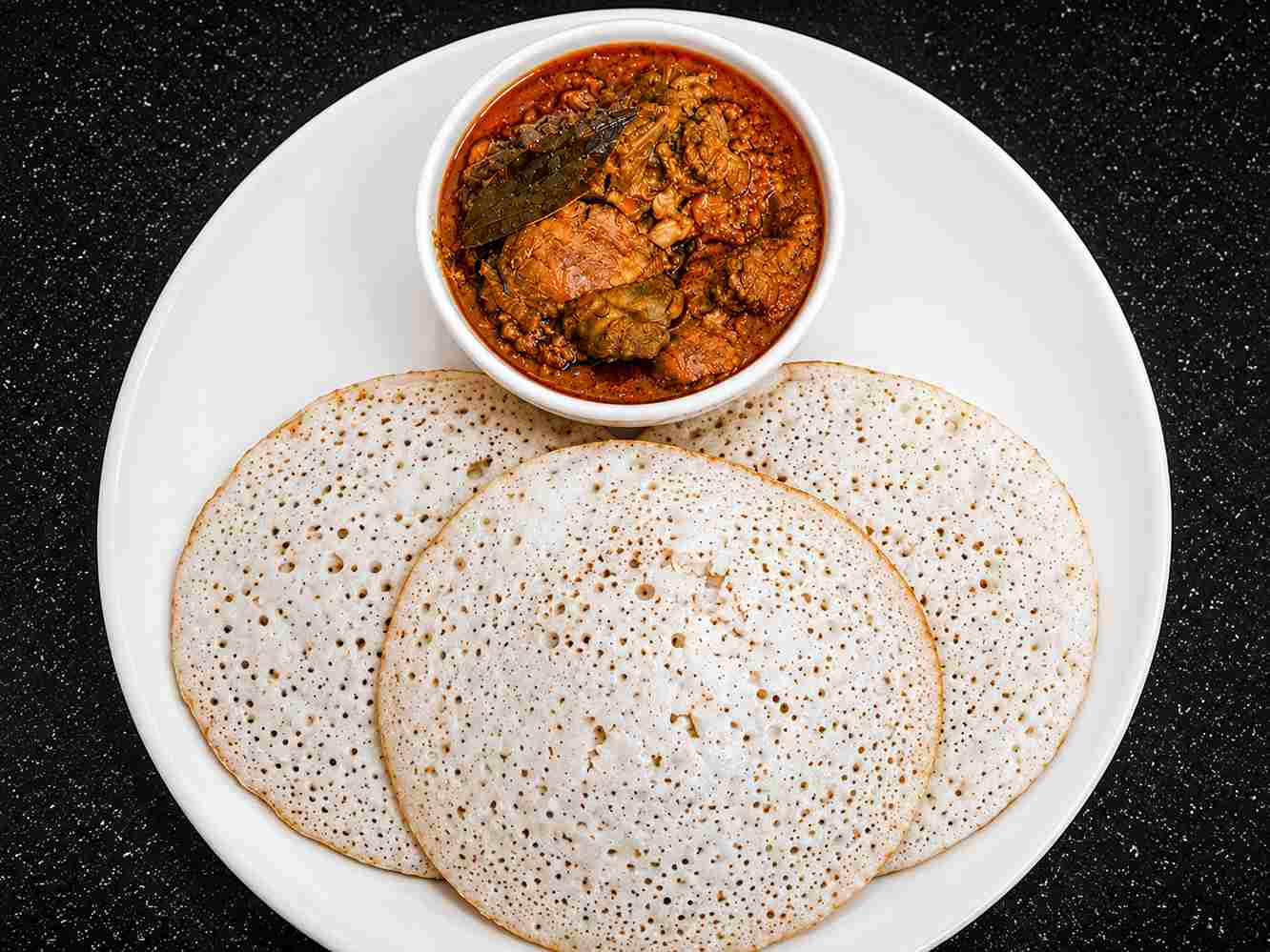
Serve soft Thengai Dosa hot with coconut chutney, tomato chutney, or spicy gravy. The dosa stays soft even after some time, so it also works well for lunch box.
Serve soft Thengai Dosa hot with chutney, spicy gravy, or South Indian Veg Kurma Recipe for a filling breakfast or dinner.
How to Get Soft Coconut Dosa Every Time
- Use fresh coconut for better softness and flavor.
- Do not make the batter too thick.
- Ferment the batter overnight until airy and bubbly.
- Cook the dosa covered to trap steam inside.
- Avoid spreading the batter too thin like crispy dosa.
- You can use leftover cooked rice or freshly cooked cooled rice.
Storage Tips
You can refrigerate the batter for 2–3 days. Mix gently before making dosa. If the batter becomes thick after refrigeration, add little water and adjust consistency before cooking.
Best Side Dishes for Thengai Dosa
This soft coconut dosa tastes very good with:
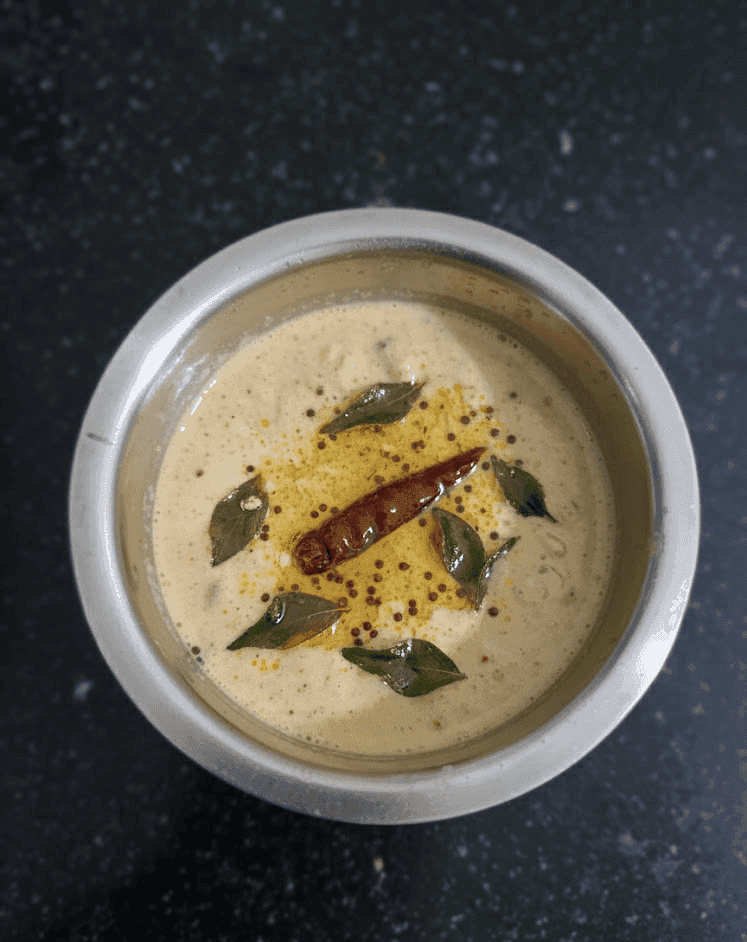
- coconut chutney
- tomato chutney
- coriander chutney
- kara chutney
- veg kurma
- Chicken Kulambu
Soft Coconut Dosa Recipe
Ingredients
Equipment
Method
- Wash raw rice well and soak for 4 hours.
- Add grated coconut and leftover rice to a mixer jar. Grind smoothly without adding much water initially.
- Drain soaked rice and add to the mixer jar. Grind by adding water little by little until smooth batter forms.
- Transfer batter to a bowl. Add salt and mix well using your hand.
- Cover and ferment overnight or for 8–10 hours.
- Next day, mix the batter gently. Add little water if needed. The batter should be slightly thinner than regular dosa batter.
- Heat dosa tawa and pour one ladle batter without spreading too much. Add little oil around the dosa.
- Cover with lid and cook until soft and cooked completely.
- Serve hot with chutney or gravy.
Notes
- Batter consistency is important for soft dosa.
- Do not make the batter too thick.
- Fermentation time may vary depending on weather.
- This dosa stays soft even after cooling.
Naturally fermented dosa batter may help improve digestion.
Benefits of Soft Coconut Dosa Recipe
- Easy to digest compared to heavy breakfast recipes.
- Naturally fermented batter helps support gut health.
- Made with simple homemade ingredients.
- Fresh coconut gives healthy fats and mild natural flavor.
- Soft texture makes it easier for kids and elderly people to eat.
- Works well for breakfast, dinner, and lunch box.
- No urad dal or poha needed, making the preparation simpler.
- Leftover rice helps reduce food waste and improves softness naturally.
- Keeps you filling and satisfied without feeling too heavy.
- Can be paired with chutney, sambar, or spicy gravy for a balanced meal.
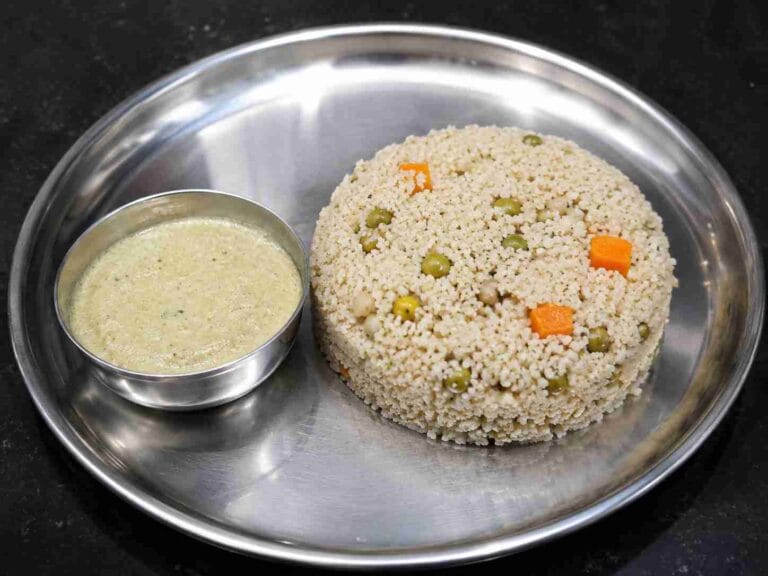
You can also serve this dosa with traditional side dishes like Peerkangai Thol Thuvaiyal Recipe
FAQs for Soft Coconut Dosa Recipe
Why is my coconut dosa not soft?
Usually this happens when the batter is too thick or the batter has not fermented properly. For soft dosa, the batter should be slightly thinner than regular crispy dosa batter.
Can I use freshly cooked rice instead of leftover rice?
Yes, you can use freshly cooked rice after cooling it completely. Leftover rice simply helps improve the softness and texture.
Can I make soft coconut dosa without urad dal?
Yes. This recipe becomes naturally soft using fresh coconut and leftover rice, so urad dal is not needed.
Why should I cover the dosa while cooking?
Covering the dosa helps trap steam inside, which makes the dosa cook softly and stay moist instead of turning dry.
How long should I ferment the batter?
Usually overnight or around 8–10 hours depending on weather conditions. In cold weather, fermentation may take longer.
Can I add baking soda for extra softness?
Yes. You can add a small pinch or 1/4 teaspoon baking soda before making the dosa for extra softness.
Which chutney goes best with Thengai Dosa?
This soft coconut dosa tastes very good with coconut chutney, tomato chutney, kara chutney, or spicy gravy.
Tried This Recipe?
If you make this Soft Coconut Dosa at home, I would love to hear how it turned out for you. Don’t forget to share your homemade dosa photos and tag us on Instagram — seeing your recreations truly makes my day.
You can also leave a comment and rating below to help more readers discover this simple homemade recipe.
For more easy South Indian breakfast recipes, traditional recipes, and homemade cooking ideas, subscribe to our newsletter and stay connected with Indian Recipes Today.