Easy Pattani Kurma Recipe (Green Peas Kurma) | Side Dish for Poori
Pattani Kurma Recipe is one of my favourite side dishes, and I make it at least twice a month. Whenever I make poori at home, this is the first curry that comes to my mind.
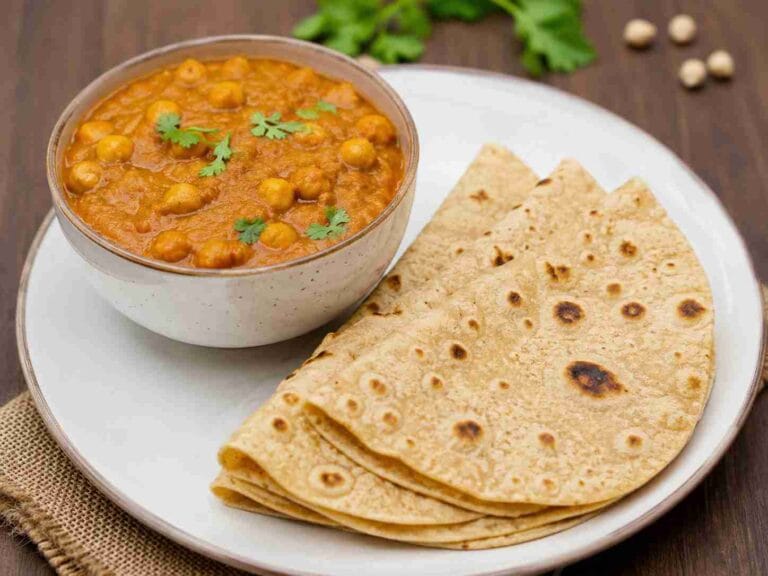
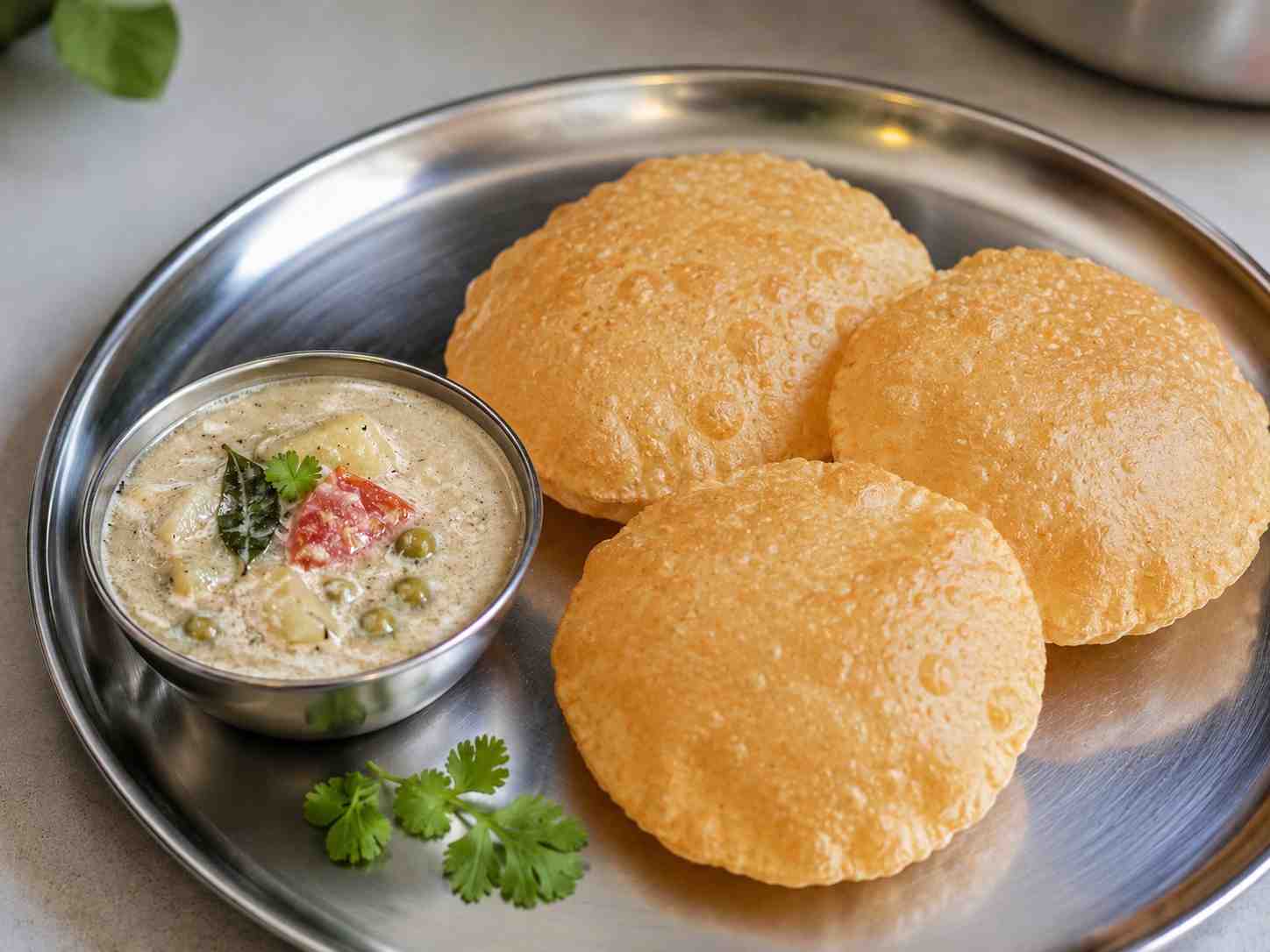
We all know poori is deep-fried in oil, but still, almost every family enjoys poori at least once a week, especially on weekends. Instead of making the usual potato masala or a heavy gravy, I always prefer this Green Peas Kurma. It feels much lighter, tastes delicious, and goes really well with hot, fluffy pooris.
The best part is that I don’t add any masala powders to this recipe. Just a few green chillies for spice and a freshly ground coconut, cashew, and poppy seed paste make the gravy rich and creamy. I also cook it in cold-pressed coconut oil, which gives the kurma a wonderful aroma and a nice hotel style flavour.
Another reason I love this recipe is that it’s ready in just 20 minutes using a pressure cooker, so it’s perfect even on busy mornings. Though I usually serve it with poori, it also tastes great with chapati, dosa, appam, idiyappam, ghee rice, and even plain rice.
If you’re looking for an easy, comforting, and delicious Pattani Kurma that the whole family will enjoy, give this recipe a try. Let’s get started!
What is Pattani Kurma Recipe ?
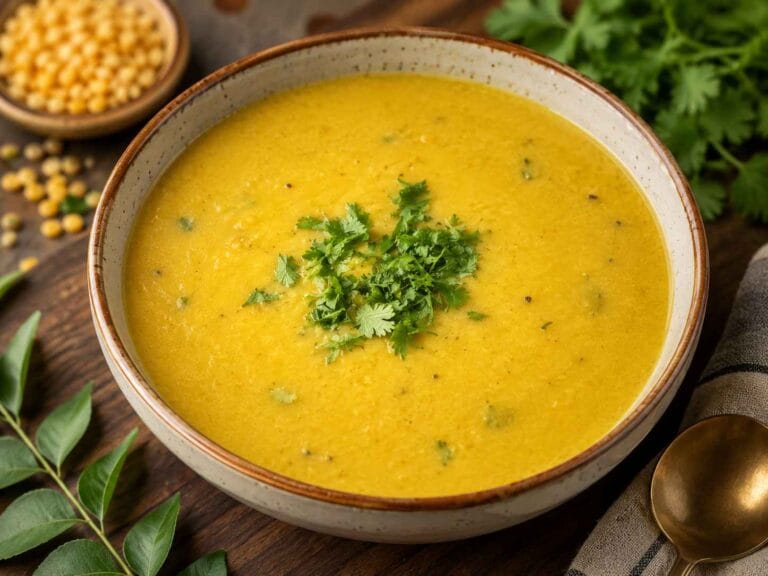
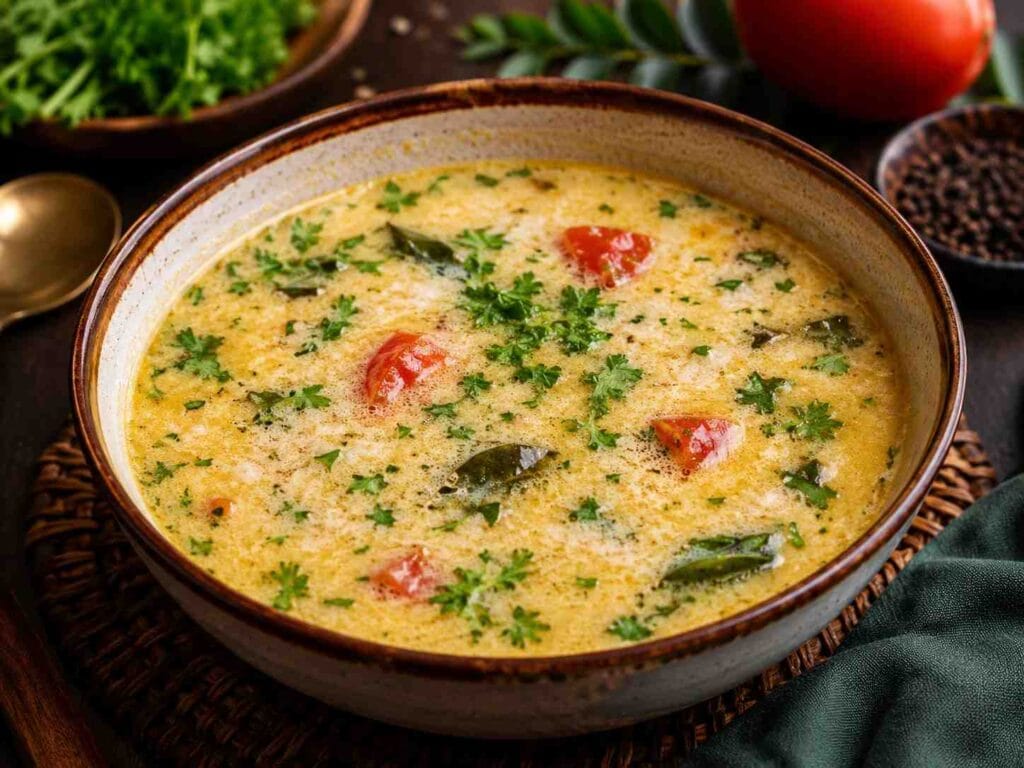
Pattani Kurma, also known as Green Peas Kurma, is a Homemade Pattani South Indian curry made with fresh green peas, potatoes, coconut, and aromatic whole spices. The freshly ground coconut, cashews, and poppy seeds give this kurma its rich and smooth texture without adding cream or heavy masala powders.
I like making this recipe with cold-pressed coconut oil, as it gives the kurma a wonderful aroma and authentic homemade flavour. It is one of those comforting side dishes that pairs beautifully with poori, chapati, dosa, appam, idiyappam, and even ghee rice.
Apart from its delicious taste, this kurma also includes wholesome ingredients that may offer some nutritional benefits.
Nutritional Benefits of the Key Ingredients
- Cold-pressed coconut oil contains naturally occurring healthy fats, including MCTs (medium-chain triglycerides), and may support digestion when included as part of a balanced diet.
- Green peas are naturally rich in plant-based protein and dietary fibre, which may help keep you feeling full for longer.
- Fresh coconut adds natural healthy fats and gives the gravy a naturally creamy texture without using cream.
- Cashews provide natural healthy fats and minerals while making the gravy rich and smooth.
- Poppy seeds (Khus Khus) are traditionally used in South Indian cooking and add a mild nutty flavour while contributing calcium and other minerals.
- Freshly made ginger and garlic paste are commonly used in Indian kitchens and may support digestion while adding natural flavour.
- Whole spices like cardamom, cloves, cinnamon, and fennel not only enhance the aroma but are also traditionally valued for supporting digestion.
Ingredients You’ll Need
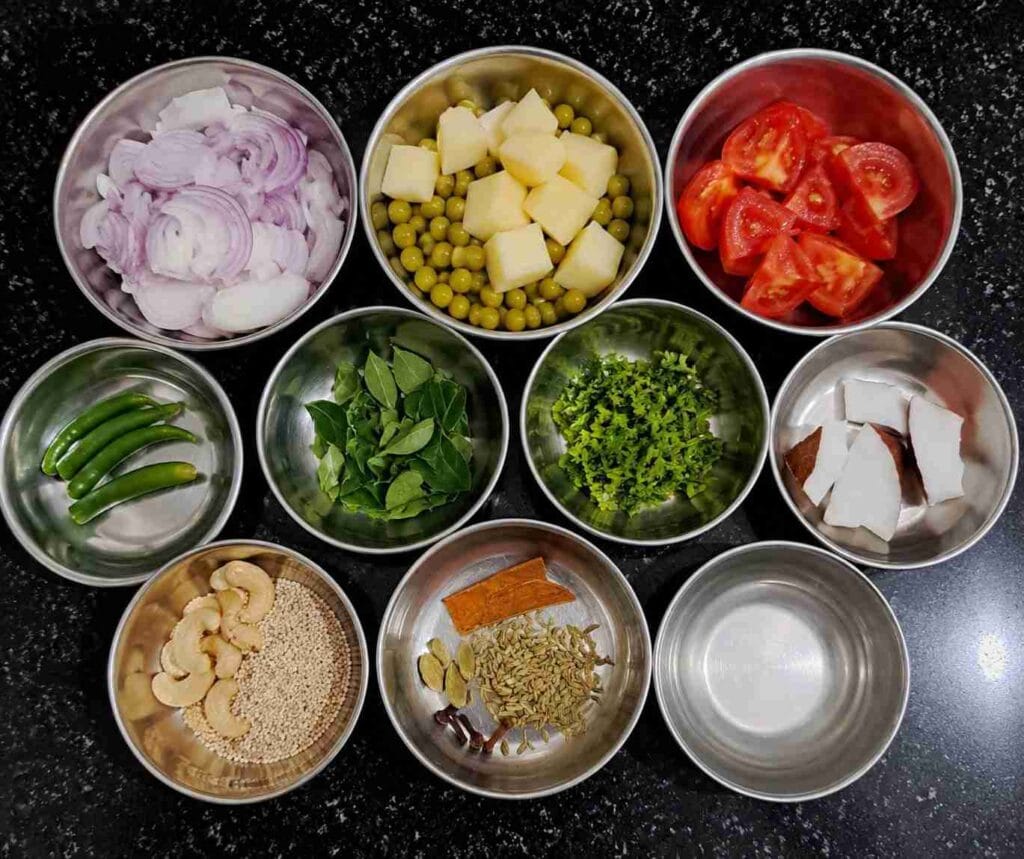
For the Kurma
- 1 tablespoon cold-pressed coconut oil
- 4 green cardamom pods
- 3 cloves
- 1 cinnamon stick
- ½ teaspoon fennel seeds
- 1 large onion, finely sliced
- 3 green chillies, slit
- 1 sprig curry leaves
- 1 tablespoon fresh ginger garlic paste
- 1 medium tomato, roughly chopped
- 1 cup fresh green peas
- 1 large potato, peeled and diced (about 1 cup)
- Salt to taste
- ½ cup water
- 2 tablespoons fresh coriander leaves, chopped (for garnish)
To Grind
- 2 tablespoons fresh grated coconut
- 1 tablespoon poppy seeds (khas khas), soaked for 10 minutes
- 10 cashew nuts, soaked for 10 minutes
- ½ cup water for grinding
How to Make Pattani Kurma (Step-by-Step)
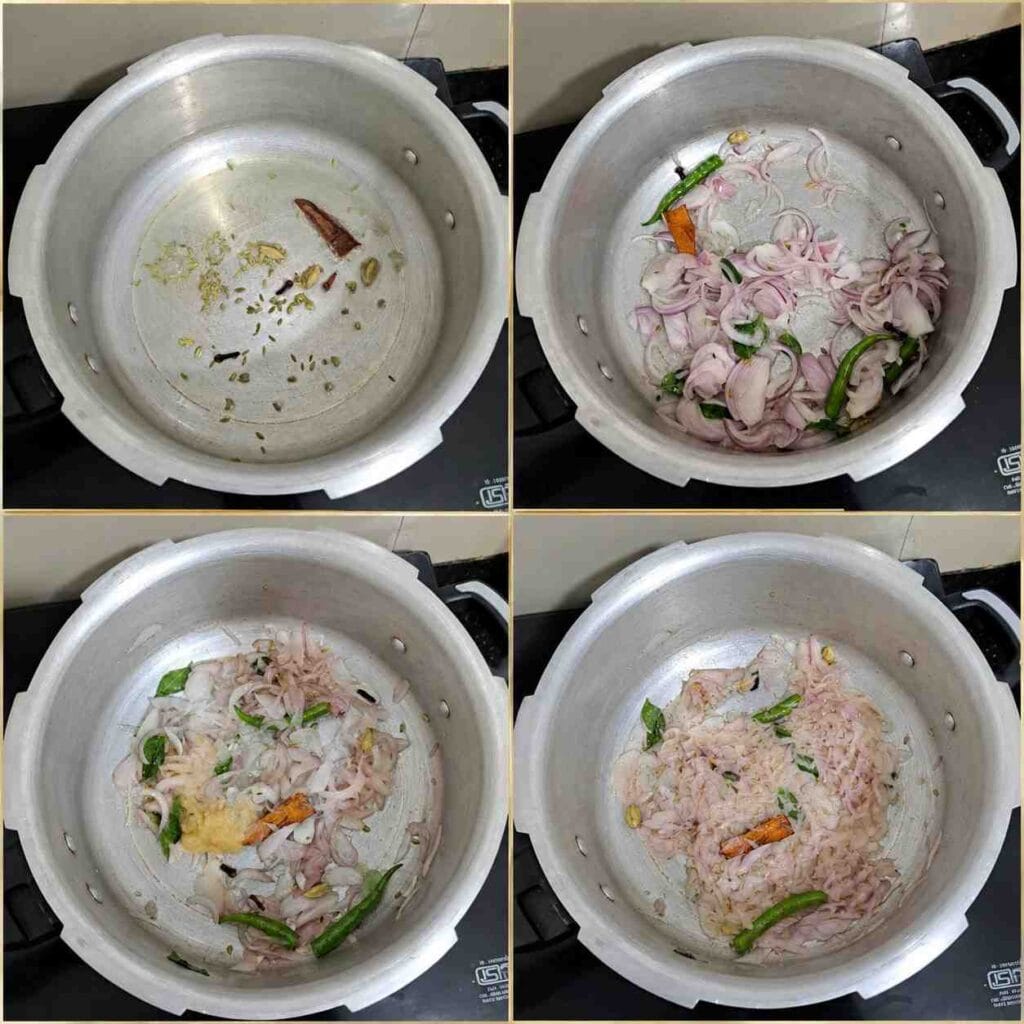
Step 1: Temper the Whole Spices
- Heat 1 tablespoon cold-pressed coconut oil in a pressure cooker over medium heat.
- Add the cardamom pods, cloves, cinnamon stick, and fennel seeds. Sauté for a few seconds until the spices become fragrant.
Step 2: Saute the Onion
- Add the finely sliced onion, green chillies, and curry leaves.
- Saute until the onions turn soft and translucent.
Tip: Avoid browning the onions, as it can slightly change the flavour and colour of the kurma.
Step 3: Add Ginger Garlic Paste
- Stir in the fresh ginger garlic paste and cook until the raw smell disappears.
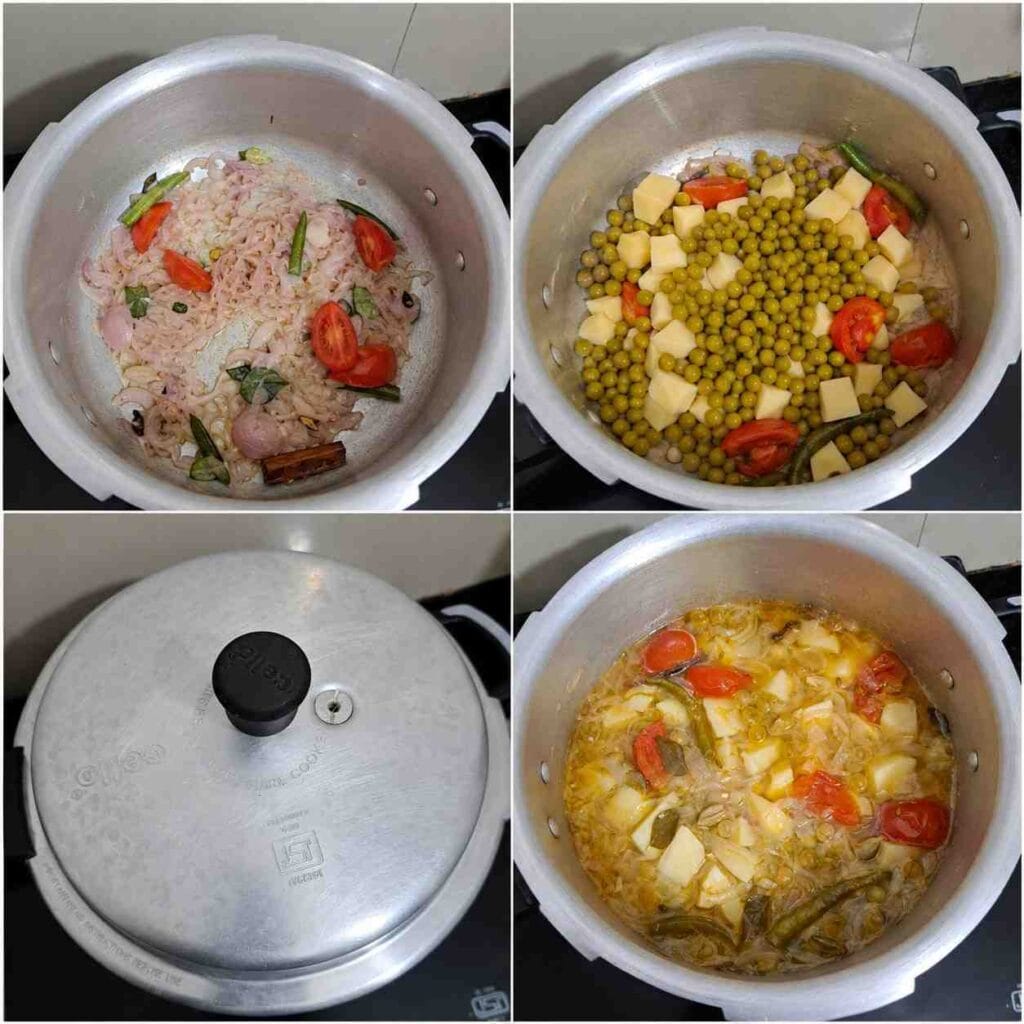
Step 4: Add the Vegetables
- Add the roughly chopped tomato, fresh green peas, diced potato, and salt. Mix everything well.
- Pour in ½ cup water, close the lid, and pressure cook for 1 whistle.
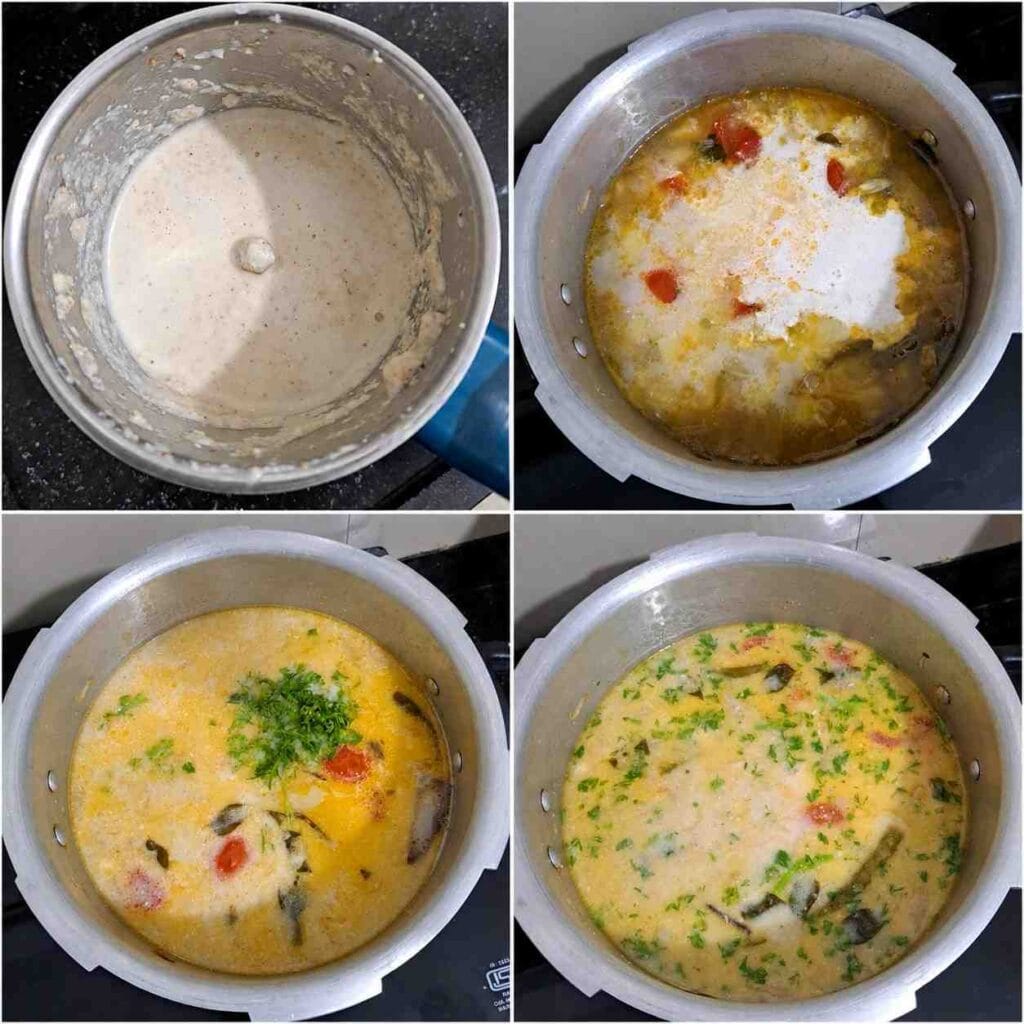
Step 5: Prepare the Coconut Paste
- While the vegetables are pressure cooking, grind the grated coconut, soaked poppy seeds, soaked cashews, and ½ cup water into a smooth paste.
Tip: Grinding the paste until smooth gives the kurma a rich and creamy texture.
Step 6: Simmer the Kurma
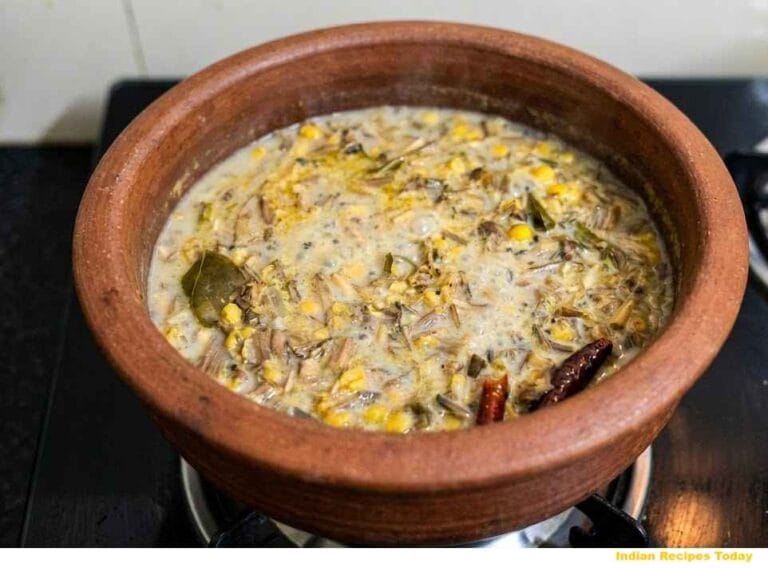
- Once the pressure releases naturally, open the cooker and add the prepared coconut paste.
- Mix well and simmer on medium heat for 5 minutes, stirring occasionally until the gravy thickens slightly.
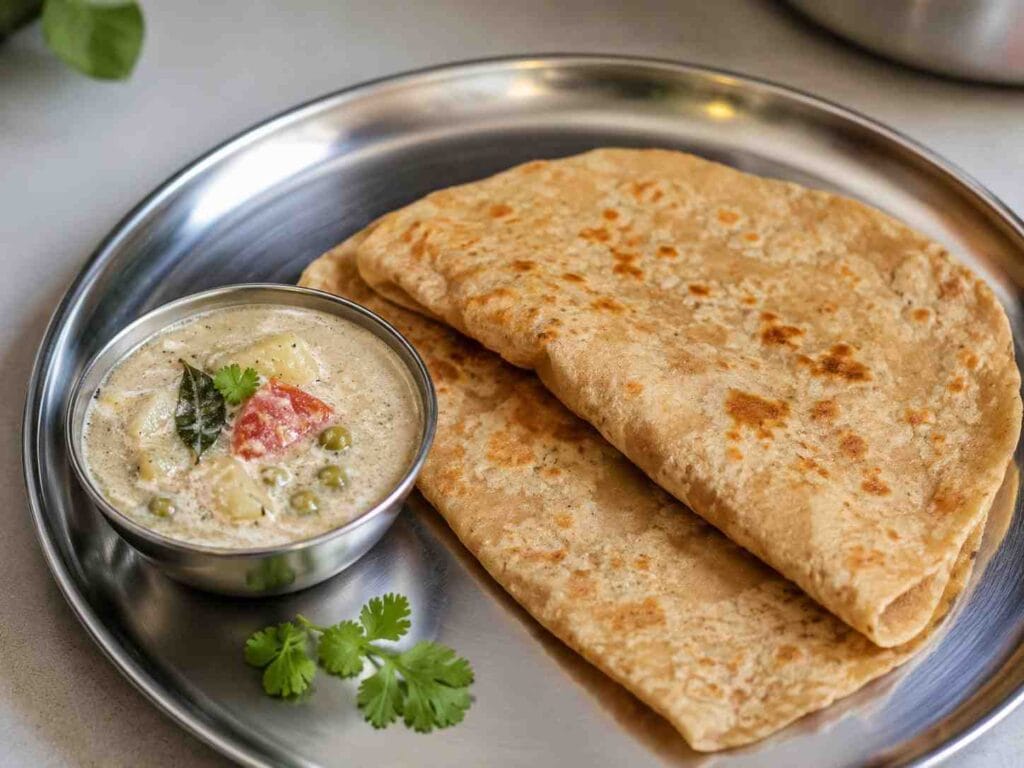
Step 7: Garnish and Serve
- Turn off the heat and garnish with fresh coriander leaves.
- Serve hot with poori, chapati, dosa, appam, idiyappam, ghee rice, or steamed rice.
Expert Tips
- This kurma actually tastes even better after resting for 10–15 minutes. The flavours blend nicely, and the gravy becomes even more delicious.
- Don’t skip the coconut oil. It gives the kurma a lovely aroma and makes a big difference to the final taste.
- Don’t boil the kurma for too long after adding the coconut paste. Five minutes is enough to bring everything together.
- Don’t pour all the water into the blender at once. Add it little by little while grinding so the poppy seeds blend well and the paste turns nice and smooth.
- I usually make this recipe with fresh green peas when they’re in season. But frozen green peas work just as well. If you’re using dried peas, soak them overnight and cook them until soft before making the kurma.
FAQs for Pattani Kurma Recipe
Can I make Pattani Kurma without potatoes?
Yes. You can skip the potatoes if you prefer a lighter version. Simply increase the quantity of green peas or add vegetables like carrots or beans for extra texture and flavour.
Can I prepare this kurma without poppy seeds?
Yes. If poppy seeds are unavailable, you can replace them with a roasted channa (udacha kadalai). The gravy will still turn out authentic and delicious, although the flavour will be slightly different.
Why is my kurma too thick after cooling?
This is completely normal because the coconut, cashews, and potatoes naturally thicken the gravy as it cools. Simply add a little hot water while reheating and stir well to bring back the desired consistency.
How do I store leftover Pattani Kurma?
Store the leftover kurma in an airtight container and refrigerate it for up to 2 days. Reheat gently, adding a little hot water if the gravy has thickened. Since this recipe contains fresh coconut, I don’t recommend freezing it.
Serving Suggestions
This Pattani Kurma is a versatile side dish that goes well with many South Indian breakfast and dinner recipes. My favourite way to enjoy it is with hot, fluffy pooris, but it tastes just as delicious with other dishes too.
- Poori – My favourite combination for a weekend breakfast.
- Chapati or Roti – A simple and satisfying dinner option.
- Dosa – Pairs beautifully with both plain and crispy dosas.
- Appam – The homemade coconut gravy tastes delicious with soft appams.
- Idiyappam – A perfect choice for a light yet filling breakfast.
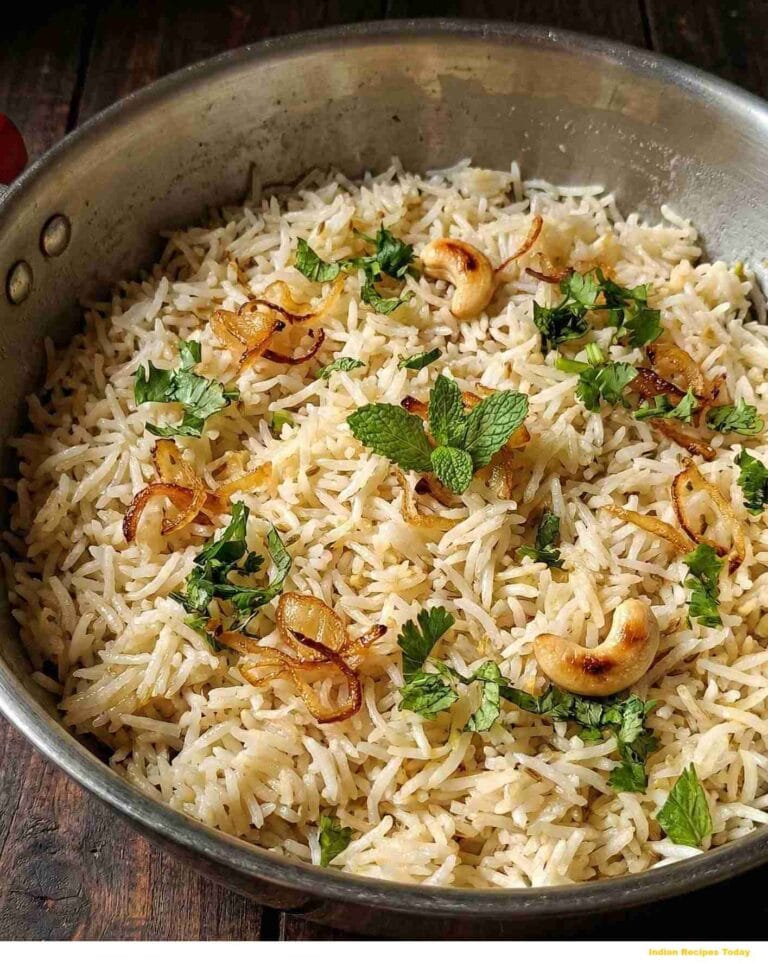
- Ghee Rice – Makes a comforting lunch when served with this authentic kurma.
- Steamed Rice – Enjoy it as a mild coconut-based curry for lunch.
Personal Tip: If I have any leftover kurma, I simply reheat it and serve it with dosa or chapati the next day. It tastes just as good, and sometimes even better after the flavours have blended.
Pattani Kurma Recipe (Green Peas Kurma)
Ingredients
Equipment
Method
- Heat coconut oil in a pressure cooker. Add cardamom, cloves, cinnamon, and fennel seeds. Sauté until fragrant.
- Add sliced onion, green chillies, and curry leaves. Cook until the onions turn translucent.
- Stir in the ginger garlic paste and sauté until the raw smell disappears.
- Add the chopped tomato, green peas, potato, salt, and ½ cup water. Close the lid and pressure cook for 1 whistle.
- Meanwhile, grind the grated coconut, soaked poppy seeds, soaked cashews, and ½ cup water into a smooth paste.
- Once the pressure releases naturally, open the cooker and stir in the prepared coconut paste.
- Simmer on medium heat for about 5 minutes, stirring occasionally.
- Garnish with chopped coriander leaves and serve hot.
Notes
Tried This Recipe?
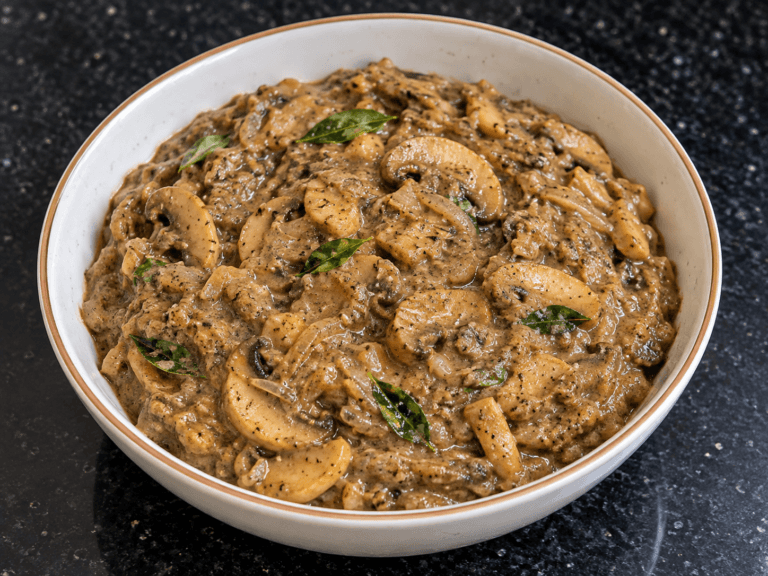
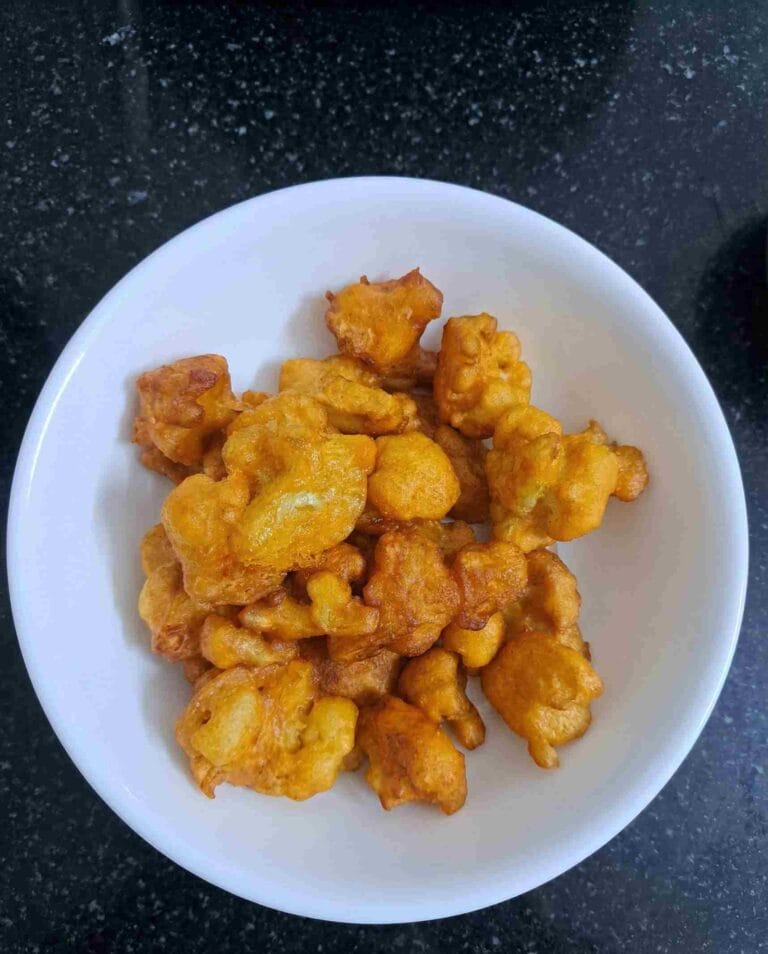
Did you make this Pattani Kurma? I’d love to know how it turned out! 😊 Leave a comment below and tell me if you tried any vegetable variations like carrots, beans, cauliflower, or mushrooms. Don’t forget to subscribe to our newsletter for more easy homemade recipes, and tag us on Instagram @indianrecipestoday. Happy Cooking! ❤️
Happy Cooking!