Ayila Meen Kulambu | Traditional South Indian Fish Curry
⭐ About This Recipe
Ayila Meen Kulambu is a simple, traditional South Indian fish curry made the way we usually cook at home. This recipe does not use heavy masalas or store-bought powders. Instead, it relies on a basic homemade masala, tamarind, onions, and a few everyday ingredients that bring out the natural taste of ayala fish.
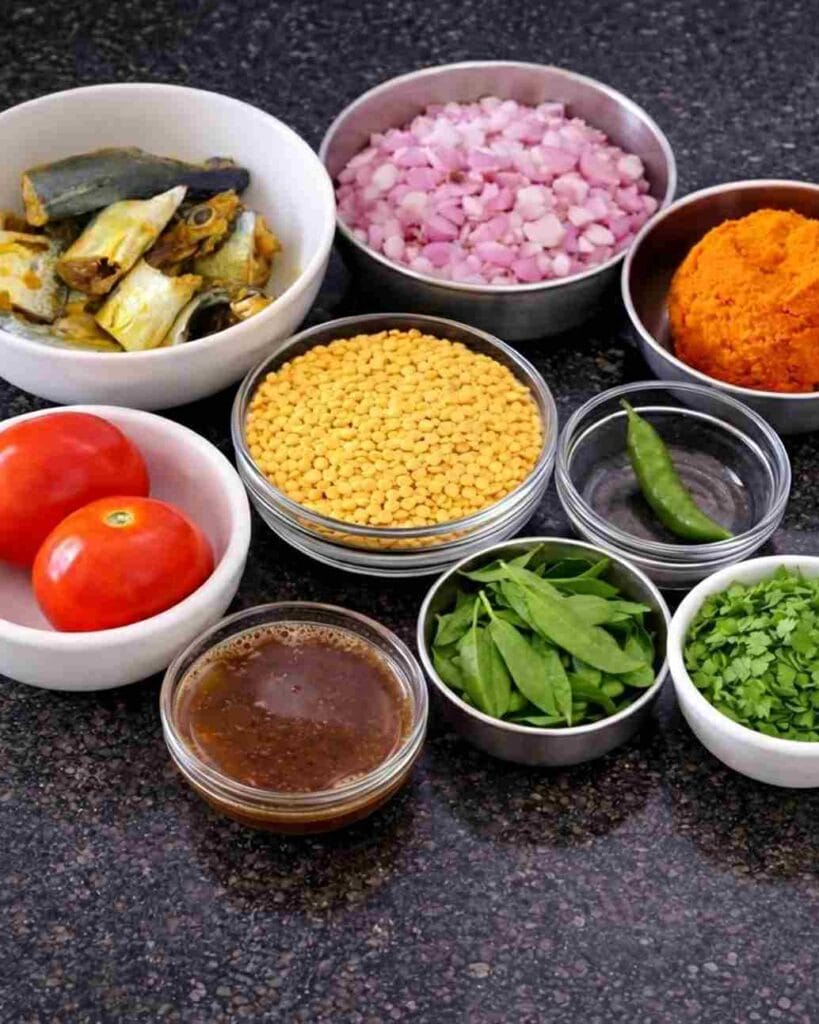
For this kulambu, I have used ayala fish head pieces, which give the gravy a deep flavour and natural richness. Fish head kulambu is very common in home cooking because it makes the curry more tasty without adding extra spices or oil.
What I love about this kulambu is how light yet flavourful it is. The gravy is not overpowering, and the fish remains soft and juicy. When cooked slowly, ayala fish absorbs the tangy and mildly spicy kulambu beautifully, making it perfect to enjoy with hot rice.
Ayala fish is also known for its high omega-3 content, which is good for heart health, brain function, and overall immunity. It is a great fish to include in regular meals because it is nutritious, affordable, and easily available.
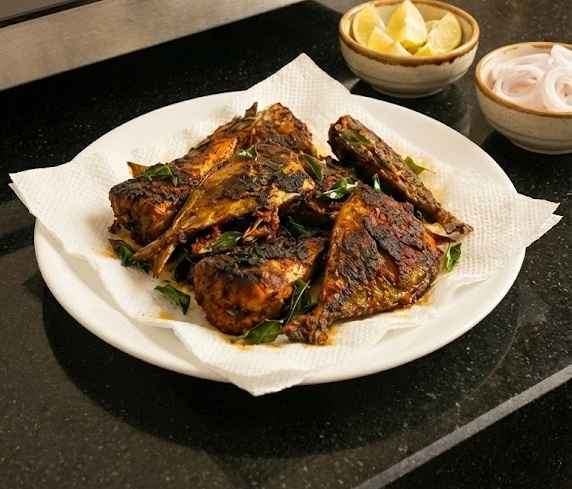
This ayila meen kulambu is ideal for everyday lunch, especially when you want a comforting meal without too much oil or spice. If you enjoy fish in different forms, you can also try a crispy fish fry on the side, which pairs really well with this kulambu and steamed rice.
Overall, this is a simple, organic, home-style fish kulambu that anyone can make, even if you are new to cooking fish.
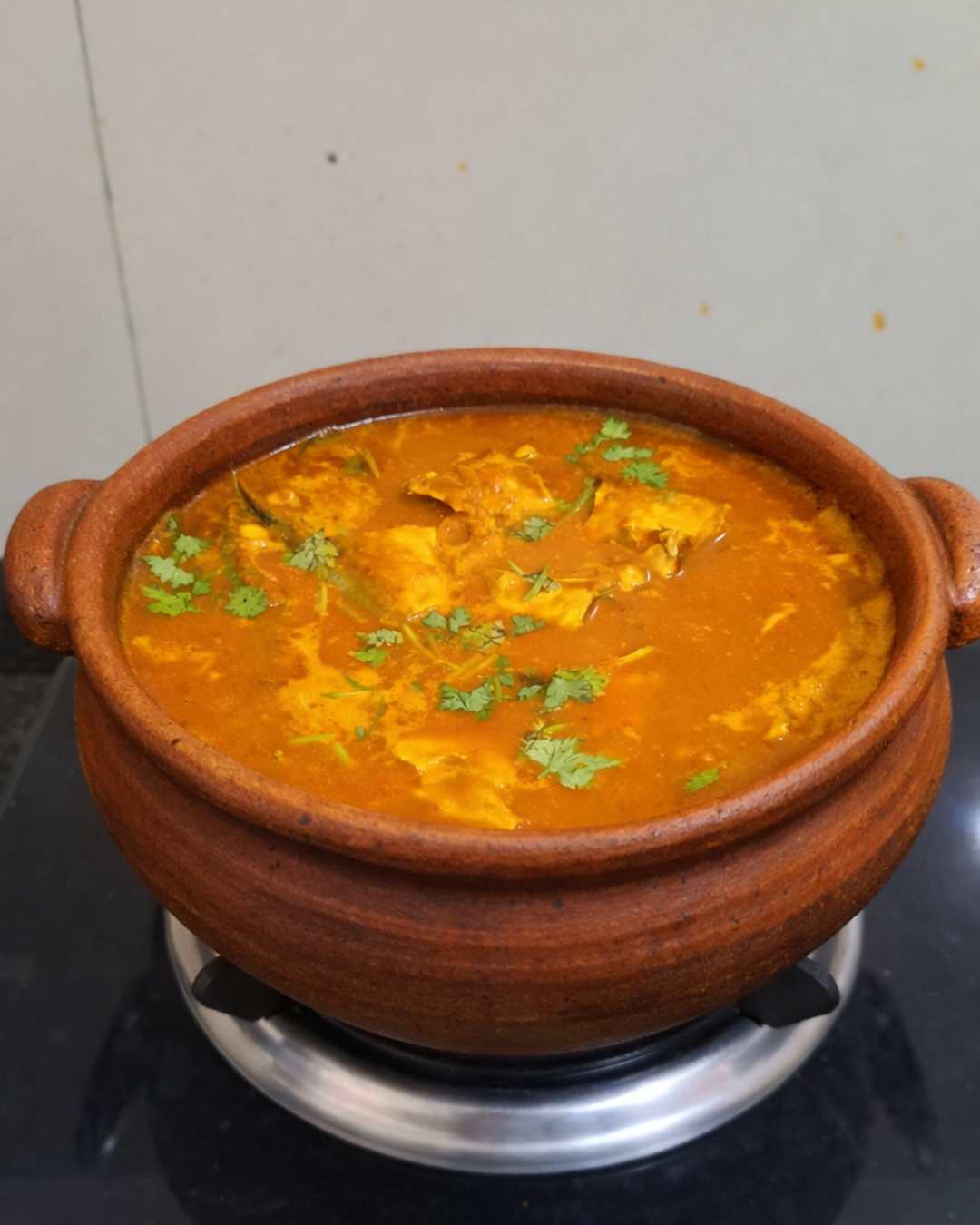
Ayila Meen Kulambu (Fish Head Kulambu)
Ingredients
Equipment
Method
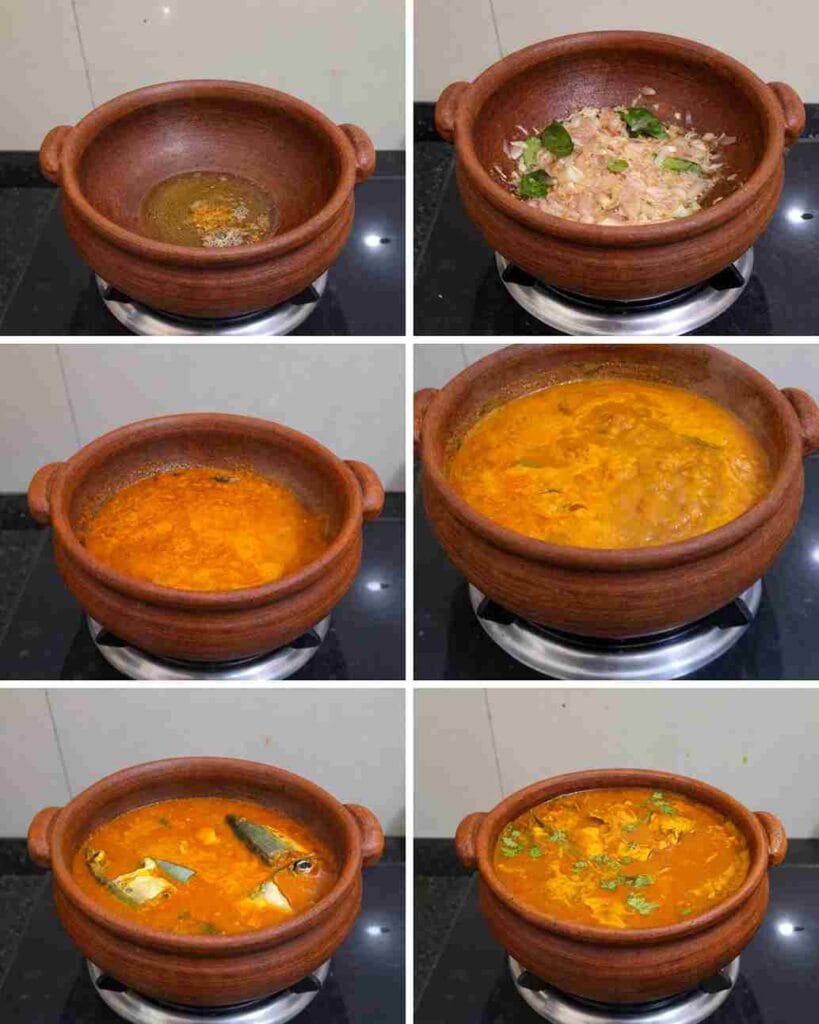
- Heat a pan on medium flame and add oil.
- Once the oil is hot, add fenugreek seeds and allow them to crackle lightly. Do not burn them, as this can make the kulambu bitter.
- Add sambar onions, curry leaves, and slit green chilli.
- Saute well, stirring occasionally, until the onions turn golden brown and release a nice aroma.
- Add the chopped tomatoes and mix well.
- Cook until the tomatoes become soft and mushy and blend well with the onions. This helps form the base of the kulambu.
- In a small bowl, add 2 tablespoons of homemade kolambu masala powder and mix with a little water to make a thick paste (masala ball).
- Add this masala paste to the pan.
- Add turmeric powder and salt.
- Saute everything well on medium flame until the raw smell of the masala completely disappears and you see oil separating from the mixture. (This is a very important step and gives the kulambu its deep flavour.)
- Pour in the tamarind extract and add required water depending on how thick you want the kulambu.
- Mix well and let it boil for 5–7 minutes so the flavours combine nicely.
- Gently add the cleaned ayila meen fish head pieces into the boiling kulambu.
- Cover and cook for about 10 minutes, or until the fish head pieces are fully cooked.
- Since fish head takes a little longer to cook, adjust the time if needed.
- Switch off the flame and sprinkle chopped coriander leaves on top.
- Cover the pan and let the kulambu rest for 10 minutes. This resting time helps the flavours settle and taste better.
- Serve hot with steamed rice.
- This ayila meen kulambu tastes even better when paired with a crispy fish fry on the side.
Notes
- Since green chilli is added in this recipe, you can adjust the quantity of kolambu masala powder based on how spicy you prefer the kulambu. Reduce the masala slightly if you want a milder taste.
-
Tamarind extract and tomatoes should be balanced together.
If you use more tamarind, reduce the number of tomatoes slightly to avoid excess sourness.
Similarly, if tomatoes are very ripe and tangy, use a little less tamarind. - Always saute the masala well until oil separates, as this step removes raw smell and improves flavour.
- Fish head kulambu tastes better after resting, so avoid serving immediately after cooking if possible.
💡 Tips & Variations
- Fish head kulambu tastes even better after resting for some time.
- Do not over-stir after adding fish head pieces to avoid breaking them.
- You can reduce chilli powder if you prefer mild spice.
- Best served with hot rice and a side of crispy fish fry.
FAQ’s for Ayila Meen Kulambu
Can I make ayila meen kulambu using only fish head pieces?
Yes. Ayila meen kulambu can be made using only fish head pieces, which give the curry a richer taste and natural thickness.
Why is kulambu often made using fish head?
Fish head adds deep flavour and natural thickness to kulambu. It releases oils while cooking, making the curry tasty without heavy masalas.
Does fish head kulambu smell strong?
No. When the fish is cleaned well and the masala is sauteed properly, the kulambu will not have a strong smell.
Which oil is best for ayila meen kulambu?
Gingelly oil (sesame oil) is best for authentic flavour. Groundnut oil can be used as an alternative.
How long should fish head be cooked in kulambu?
Fish head usually takes about 10 minutes to cook. Adjust the time slightly if the pieces are large.
How do I balance sourness in ayila meen kulambu?
Balance tamarind and tomatoes together. Reduce one if the other is too sour.
Can I use store-bought fish curry powder?
Yes, but homemade kolambu masala gives better taste. Always sauté the masala well to remove raw smell.
Can I store ayila meen kulambu?
Yes. You can refrigerate it for up to 24 hours, and it often tastes better the next day.
Is ayila meen healthy?
Yes. Ayila fish is rich in omega-3 fatty acids, which support heart health and overall nutrition.
Why is ayila meen kulambu often cooked in a clay pot?
Ayila meen kulambu is traditionally cooked in a clay pot because it cooks slowly and evenly, enhancing the flavour of the fish and kulambu. Clay pots also help retain heat, keep the curry warm longer, and give a natural earthy taste.
❤️ Final Thoughts
Cooking Ayila Meen Kulambu in a clay pot makes a big difference in both taste and texture. Clay pots cook food slowly and evenly, which helps the kulambu absorb all the flavours naturally. The fish cooks gently without breaking, and the gravy becomes richer without adding extra masala or oil. This is why traditional fish kulambu always tastes better when cooked in clay vessels.
Another important step is resting the kulambu for 6 to 8 hours after cooking. During this time, the fish head releases more flavour into the gravy, and the tamarind, spices, and fish blend together beautifully. The kulambu tastes much deeper, balanced, and more comforting after resting. In fact, many people feel fish kulambu tastes best when eaten later or the next day.
This kulambu is also kid-friendly when spice is adjusted properly. Ayila fish is rich in omega-3 fatty acids, which support brain development, immunity, and overall growth in children. Using homemade masala and avoiding heavy spice powders makes it a healthier choice for the whole family.
Tamarind plays an important role in this recipe. It not only gives a pleasant tangy taste but also helps in digestion and balances the natural oiliness of fish. When used in the right quantity along with tomatoes, tamarind makes the kulambu light and easy on the stomach.
This ayila meen kulambu pairs best with hot rice, but it can also be enjoyed with soft idlis. The tangy, flavourful gravy tastes amazing when poured over idli, making it a comforting meal option. If you love simple breakfasts, you can try serving this kulambu with our Idli Recipe, which goes perfectly with fish kulambu.
Overall, this is a traditional, slow-cooked, home-style recipe that proves simple ingredients and patience can create the most satisfying meals.