Traditional Wattalappam Recipe (Steamed Coconut Milk Pudding)
⭐ About This Recipe
Looking for a rich, soft dessert that melts in your mouth and doesn’t need an oven? This traditional wattalappam recipe is exactly what you need.
Wattalappam is a smooth and silky steamed coconut milk pudding made with eggs, palm jaggery, and freshly extracted thick coconut milk. The texture is similar to caramel pudding, but the flavour is deeper because of the coconut and jaggery combination.
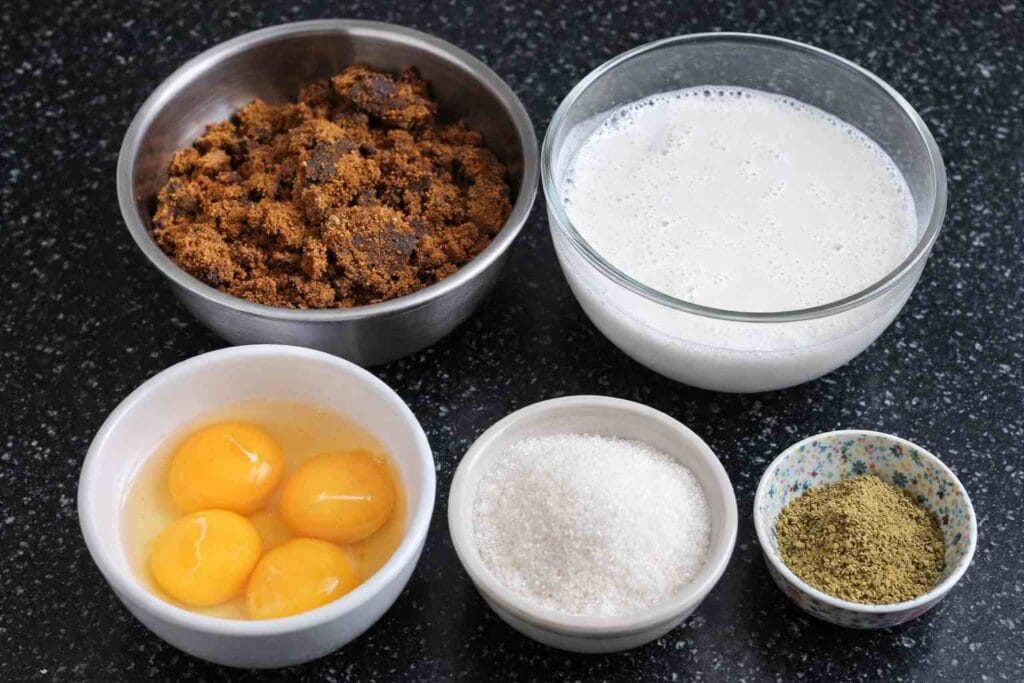
Here are the ingredients used in this traditional wattalappam recipe.
In many homes, this dessert is especially prepared during Ramzan for iftar and Eid celebrations, but honestly, you don’t need a special occasion to enjoy it. It’s a beautiful homemade sweet that feels festive any day.
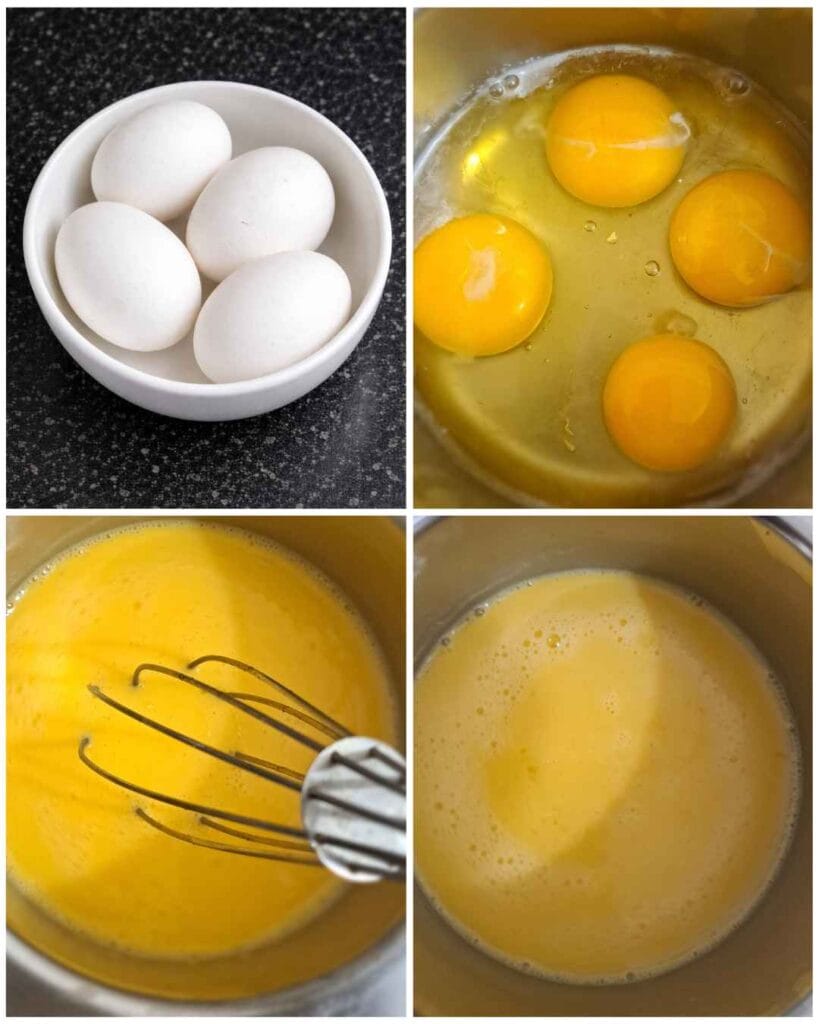
What I personally love about this recipe is the technique. Beating the eggs properly for 10 minutes using a hand whisk (not an electric beater) makes a big difference. That step gives the pudding its soft, airy, and smooth texture after steaming. The slow steaming method helps it set perfectly without becoming rubbery.
This traditional wattalappam recipe uses very basic ingredients — eggs, coconut milk, palm jaggery, a little sugar, and cardamom powder. But when combined and steamed gently, it transforms into a rich coconut milk pudding that tastes luxurious.
If you are searching for:
- A soft steamed coconut pudding
- A coconut milk pudding recipe without oven
- A traditional egg and jaggery dessert
- Or a Ramzan special sweet for iftar
This wattalappam recipe will not disappoint you.
For more traditional desserts, you can also try my rich Banana Halwa Recipe and Thengai Therattipal Recipe with natural sweetness.
After resting for a few hours and chilling slightly, the flavour becomes even better and the texture turns firm yet creamy. Every bite is smooth, rich, and full of coconut aroma.
Step 1: How to Beat Eggs Properly for Soft Wattalappam (Secret for Smooth Texture)
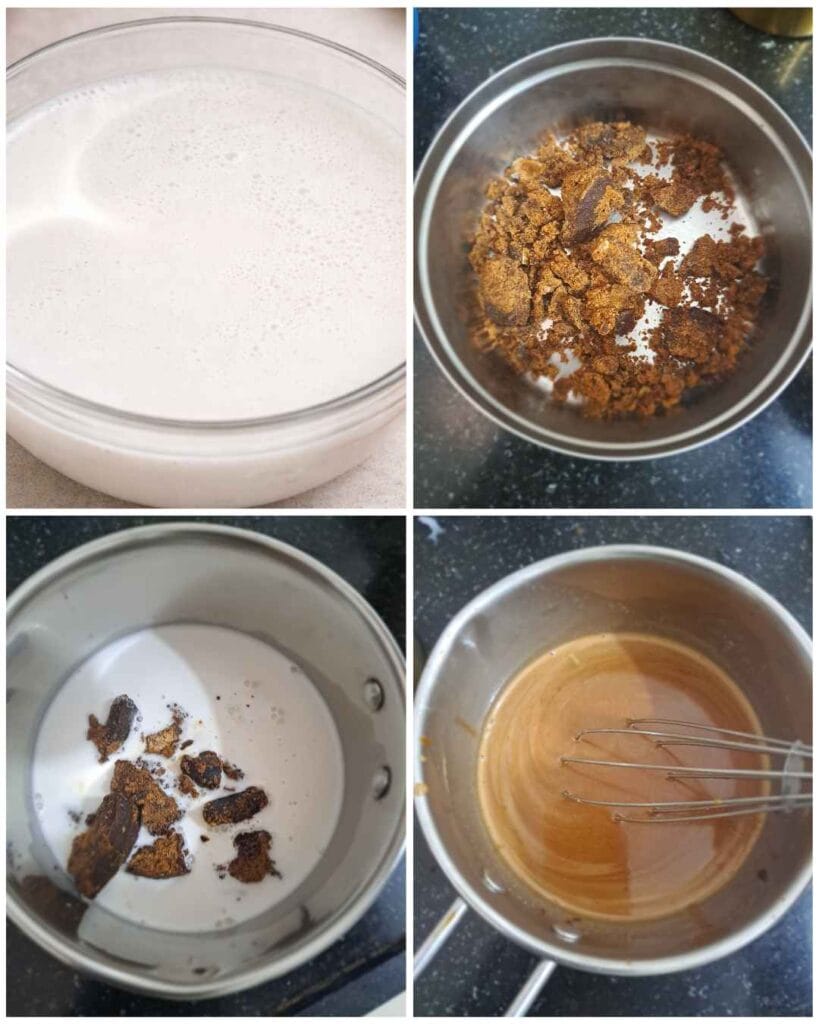
Step 2: How to Prepare Thick Coconut Milk and Melt Palm Jaggery for Wattalappam
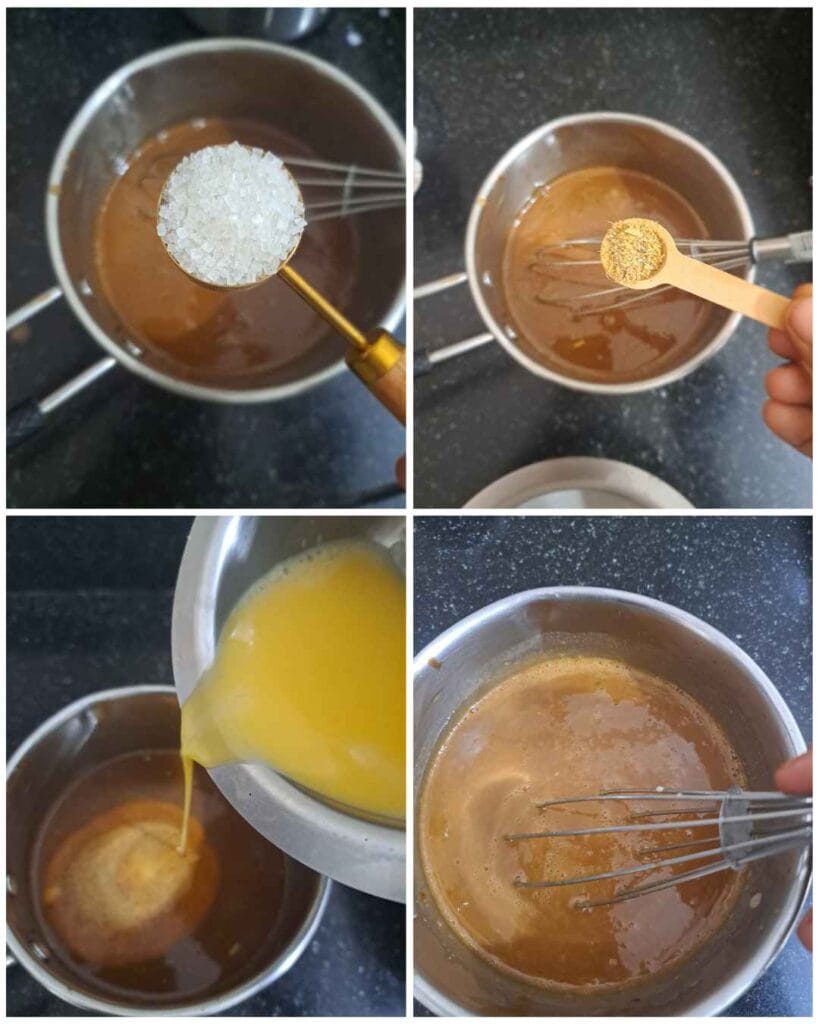
Step 3: How to Mix Egg and Jaggery Mixture for Smooth Wattalappam Batter
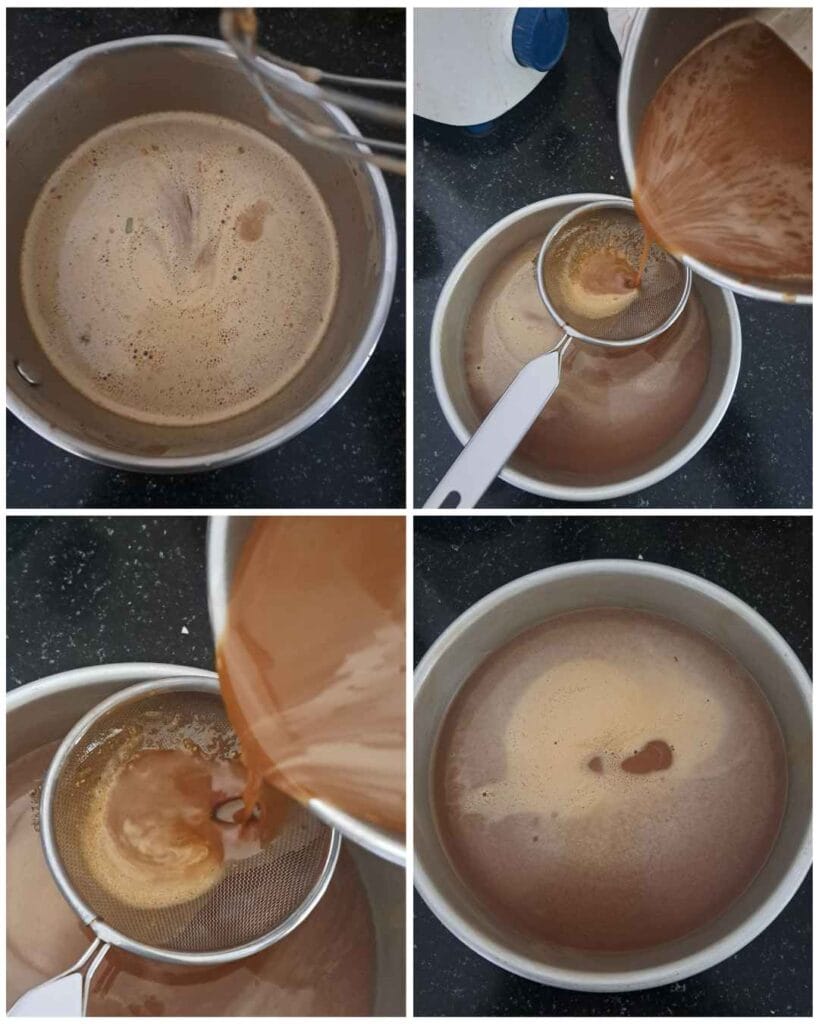
Step 4: Why Straining the Wattalappam Mixture Is Important for Smooth and Soft Texture
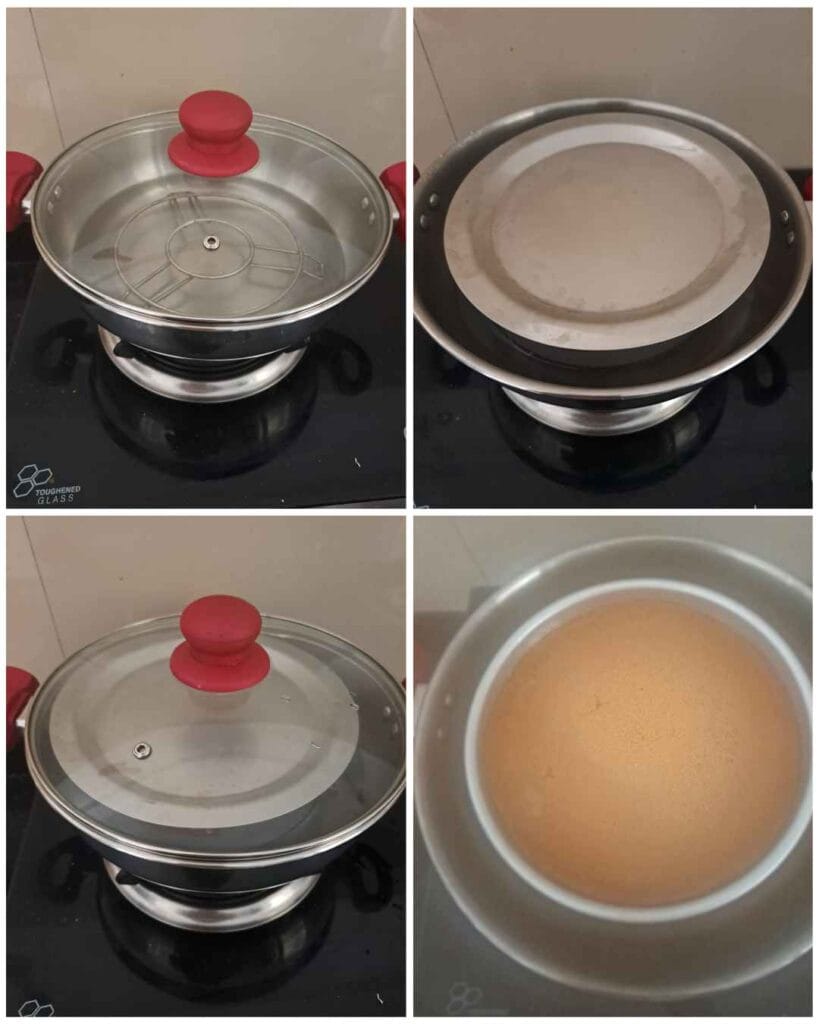
Step 5: How to Steam Wattalappam Without Oven (30–40 Minutes Cooking Guide)
Step 6: How to Check if Wattalappam Is Perfectly Cooked
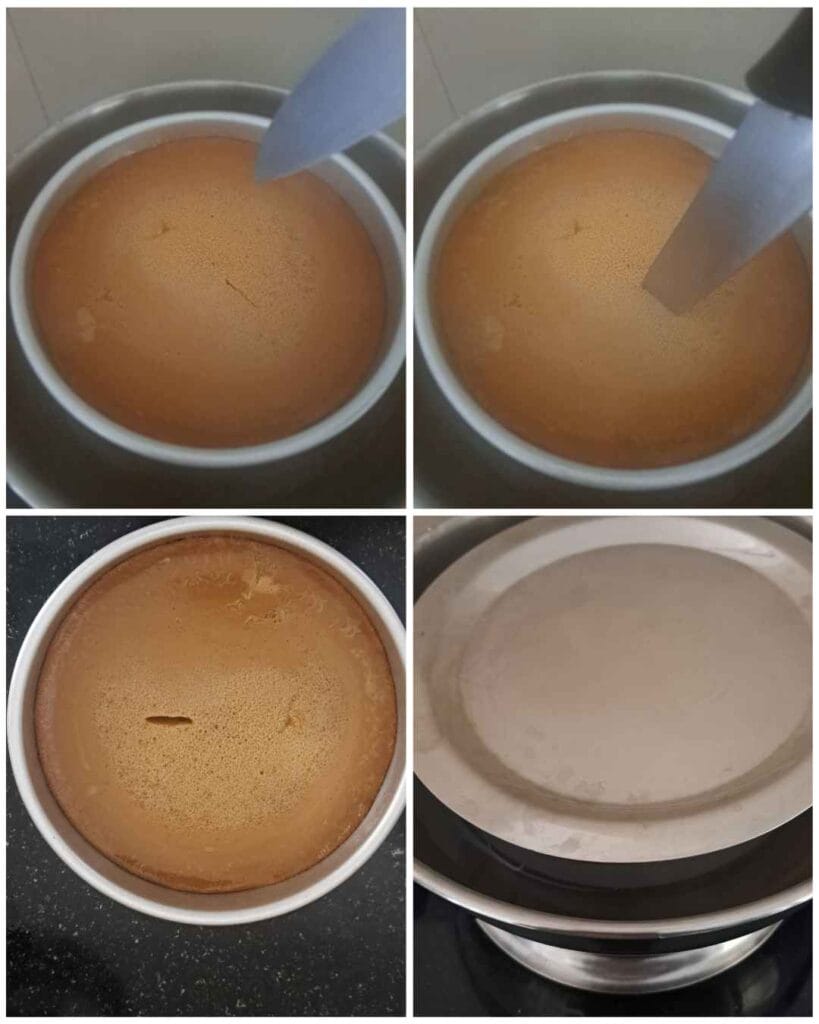
Step 7: The Final Soft and Smooth Wattalappam – Traditional Sri Lankan Dessert
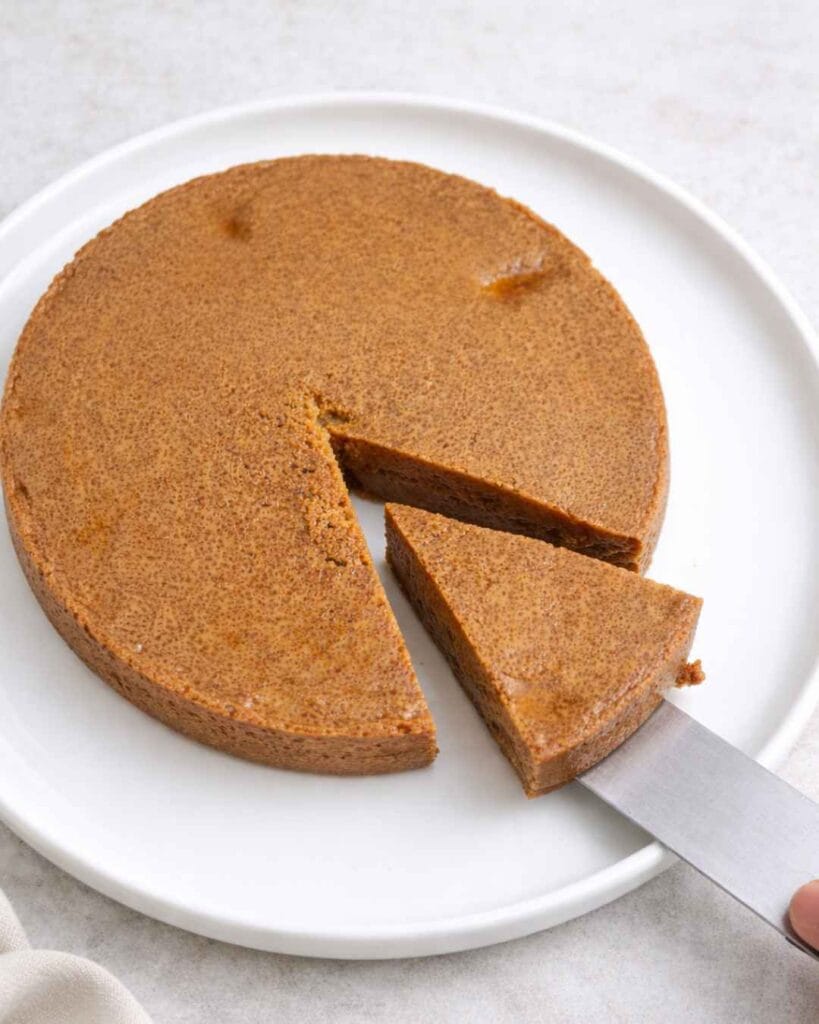
Here is the complete Traditional Wattalappam recipe with exact measurements and cooking instructions.
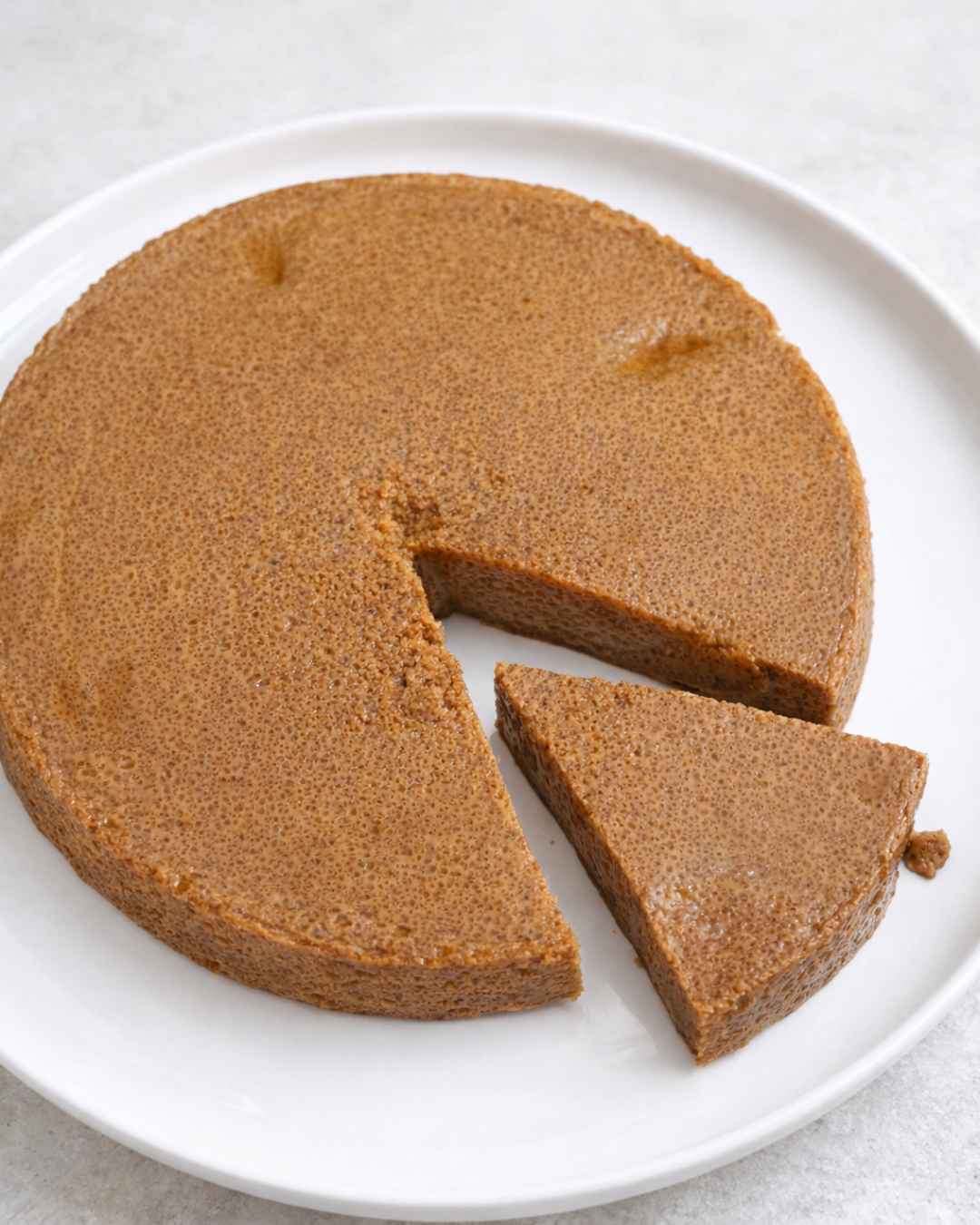
Traditional Wattalappam Recipe – Steamed Coconut Milk Pudding
Ingredients
Equipment
Method
- Beat the Eggs : Crack 4 eggs into a large mixing bowl. Using a hand whisk or your hands, beat the eggs continuously for 10 minutes. Note: Do not use an electric beater; the manual whisking creates the traditional airy texture.
- Prepare Fresh Coconut Milk : Grind 1 cup of freshly grated coconut with 1/4 cup of water. Filter it through a muslin cloth or fine strainer to extract 1.5 cups (300ml) of thick, rich
- Add 1 cup of palm jaggery powder: Add palm jaggery powder to the coconut milk and whisk until fully dissolved.
- Combine Milk and Eggs: Add beaten eggs slowly. Whisk manually for 10 minutes. Then add sugar (optional) and cardamom powder. Mix well.
- Strain and Rest : Lightly grease a baking tray or thick-bottomed pan with ghee or coconut oil . Pour the mixture into the tray through a fine strainer to remove any undissolved jaggery or egg bits. Let the mixture rest in the tray for 10 minutes.
- Prepare the Steamer: Bring water to a rolling boil in your steamer. Ensure there is enough water to last for 40 minutes of steaming, but not so much that it touches the bottom of the recipe tray.
- Steam the Pudding: Place the tray inside the steamer and cover it with a tight-fitting lid (or foil) to prevent water droplets from falling onto the pudding. Steam on medium heat for 30 to 40 minutes without opening the lid.
- Check for Doneness: After 30 minutes, insert a toothpick/Knife into the center. If it comes out clean, it is ready. If not, steam for another 5–10 minutes.
- The Cooling Phase: Once cooked, remove the tray from the steamer. Let it cool to room temperature, then let it rest for 3 to 4 hours (or refrigerate over night ) to allow the flavors to develop and the texture to set.
Notes
- Jaggery Quality: The color of your pudding depends on the jaggery. Use dark palm jaggery for that deep, rich brown traditional look.
- Storage: This pudding can be stored in the refrigerator for up to 3 days. It tastes even better the next day!
- Freezing: You can freeze this pudding. Once thawed, the texture remains like a firm coconut pudding or caramel custard.
After a comforting South Indian meal like my Mullangi Sambar Recipe, this soft coconut dessert feels even more satisfying.
💡 Tips & Variations
- Why no Beater? An electric beater incorporates too much air too quickly, which can cause the pudding to collapse or become rubbery. Hand whisking ensures a stable, “pock-marked” traditional texture.
- Rolling Boil: Make sure the water is at a “rolling boil” before placing the tray in the steamer to ensure even cooking from the start.
- Straining: Never skip the straining step (Step 5 in recipe card ). This is what ensures the “silky smooth” mouthfeel of the final coconut milk pudding.
- Add a pinch of nutmeg for extra aroma.
If you enjoy traditional jaggery-based desserts, you may also like my Beetroot Halwa Recipe – Easy Homemade Sweet with Jaggery, which is rich, naturally sweet, and perfect for festive occasions.
FAQs For Wattalappam Recipe
Why did my wattalappam become rubbery?
Wattalappam becomes rubbery if it is over-steamed or if the eggs were not beaten properly. Always whisk the eggs for at least 10 minutes and steam on medium heat. Overcooking makes the texture firm instead of soft and pudding-like.
Can I make wattalappam without oven?
Yes, wattalappam is traditionally made without oven. It is steamed in a covered pan or steamer. This method gives the best soft and smooth texture.
How do I make wattalappam soft and smooth?
The secret is proper egg beating, straining the mixture, and gentle steaming. Always strain the batter and steam without opening the lid frequently.
Can we freeze wattalappam?
Yes, you can refrigerate wattalappam for up to 3 days. It can also be frozen, but texture may slightly change. For best taste and smooth texture, serve chilled from the refrigerator.
Can I use a blender or electric beater for Wattalappam?
It is not recommended. Hand-whisking for 10 minutes creates small and stable air bubbles that give soft texture. An electric beater adds too much air quickly, which can make the wattalappam rise and collapse, resulting in a rubbery texture instead of a silky smooth pudding.
Is Wattalappam the same as Caramel Pudding?
Both are steamed egg custards, but they are not the same. Wattalappam uses coconut milk instead of dairy milk and palm jaggery instead of caramelized white sugar. This gives it a deeper, earthy flavor compared to regular caramel pudding.
Why did my Wattalappam turn watery?
This can happen if:
You used thin coconut milk instead of thick first-extract milk.
You over-steamed the pudding on high heat, causing egg separation.
Always use thick coconut milk and steam gently.
Can I make Wattalappam without eggs?
Traditional wattalappam is an egg-based custard, and eggs are essential for the soft set texture. Without eggs, it becomes a different dessert like coconut agar pudding or coconut halwa.
Is Wattalappam healthy?
Wattalappam is a better alternative to refined sugar desserts because it uses palm jaggery and coconut milk. It is naturally dairy-free and gluten-free, but it should still be enjoyed in moderation.
Is Wattalappam similar to Jaggery Kheer (Gur ki Kheer)?
Yes, the flavors are similar to jaggery kheer or coconut kheer because both use coconut milk and jaggery. However, wattalappam is a firm steamed pudding, while kheer is soft and spoonable.
Final Thoughts
Traditional Wattalappam Recipe is more than just a dessert—it is a celebration in every bite. The combination of rich coconut milk, deep palm jaggery flavor, and a soft custard-like texture makes this steamed coconut milk pudding truly special. When made with patience and proper hand-whisking, the result is silky smooth and melts in your mouth.
This Traditional Wattalappam Recipe is perfect for Ramzan, Eid, family gatherings, or whenever you crave something comforting and naturally dairy-free. The best part? It needs only a few simple ingredients and absolutely no oven.
Wattalappam is a traditional Sri Lankan dessert with Malay roots, widely enjoyed during festive celebrations
If you love desserts like coconut kheer, jaggery pudding, or caramel custard, you will definitely enjoy this authentic Sri Lankan classic.
If you enjoy jaggery-based festive sweets, you may also love my Sakkarai Pongal Recipe made with rice and jaggery.
Try it once, chill it well for the perfect set, slice it neatly, and serve with love.