Wash the idli rice 2–3 times until the water runs clear. Soak it in enough water for 6–8 hours.
Wash the urad dal along with fenugreek seeds and soak separately for 4–5 hours.
Soak javvarisi in water for 2 hours until it becomes soft and slightly swollen.
Switch on the wet grinder and add the soaked urad dal first. Sprinkle water little by little and allow it to grind slowly. Do not add too much water at once. Grind until the batter becomes very light, fluffy, and airy, almost like whipped cream. This step is extremely important for making soft idlis.
Once the urad dal batter is ready, transfer it to a large vessel and keep it aside.
Now add the soaked javvarisi to the wet grinder and grind until smooth. Then add the soaked idli rice and grind to a slightly coarse yet smooth batter. The texture should not be too fine like dosa batter; a mild grainy texture works best for idlis.
Transfer the rice–javvarisi batter to the vessel with the urad dal batter. Add salt and mix gently using your hand until both batters are well combined. Hand mixing helps retain warmth and supports better fermentation.
Cover the batter and allow it to ferment for 8–12 hours. During winter, keep the batter in a warm place and allow extra time if needed. The batter should rise slightly and look airy once fermented.
After fermentation, gently mix the batter once. Do not overmix, as this can deflate the batter.
Grease the idli plates lightly and pour the batter into each mould, filling about three-fourths.
Heat water in the idli steamer, place the idli stand inside, and steam on medium flame for 10–12 minutes.
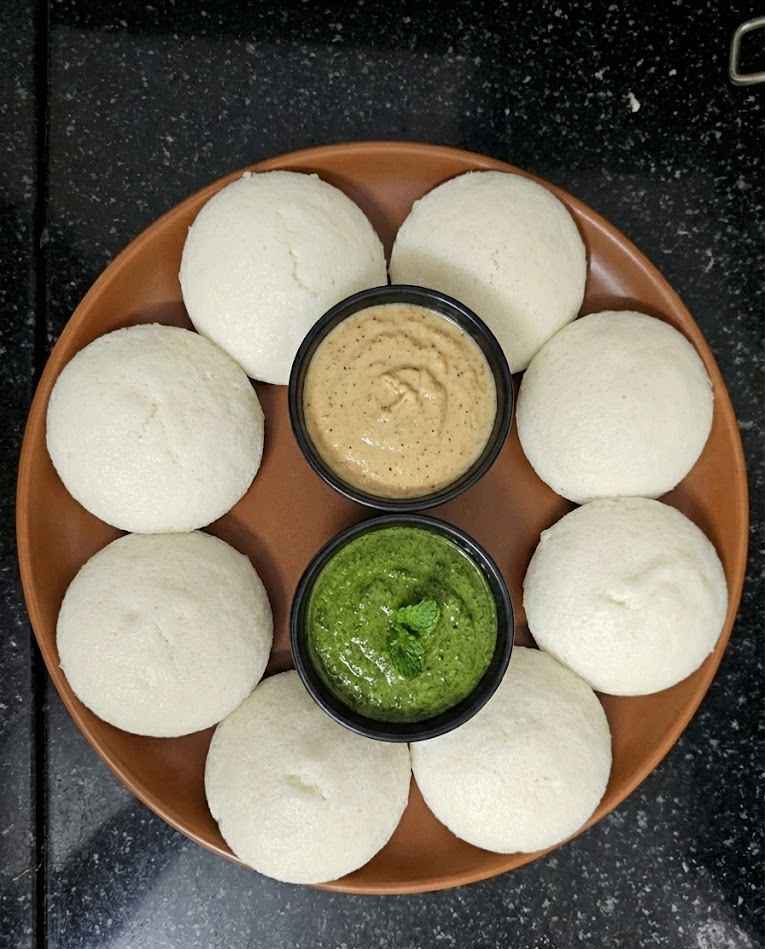
Turn off the flame and let the idlis rest for 1–2 minutes before removing. Serve hot.