Soft Idiyappam Recipe | இடியப்பம் | Traditional Nool Puttu Recipe
If there is one breakfast/dinner that always feels light, comforting, and truly South Indian, it is idiyappam. In this soft idiyappam recipe, I’m sharing the exact method I use at home to get perfect, non-sticky, smooth இடியப்பம் every single time.
I learned this method from watching it being made at home for years, and over time I realised that the secret to good nool puttu is simply the right amount of hot water and a soft dough. Once the dough is mixed correctly, pressing the idiyappam becomes easy, and the strands come out beautifully without breaking.
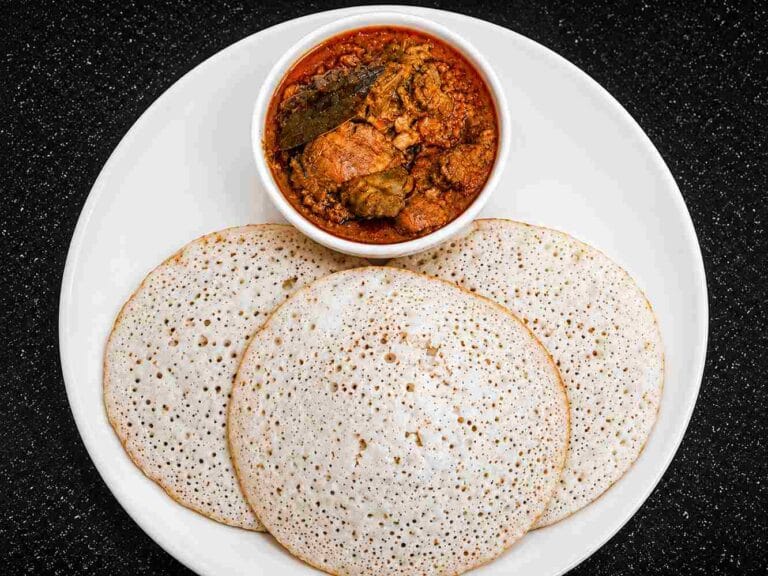
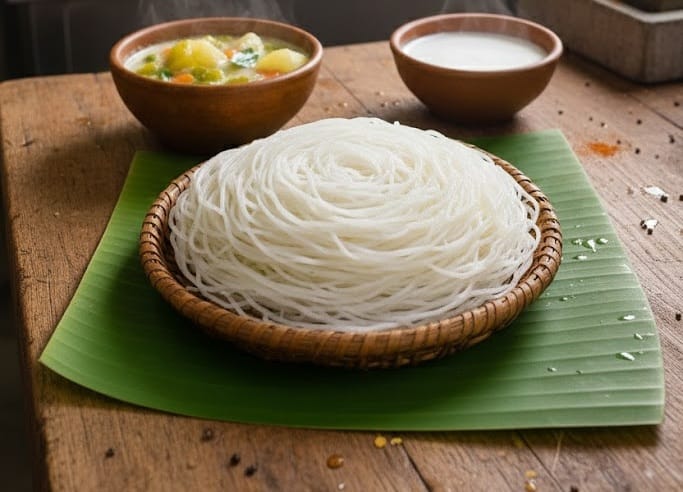
This recipe needs just idiyappam flour, salt, and hot water, but the result is so soft and delicate that it pairs wonderfully with coconut milk, vegetable stew, chicken kulambu , or even sugar and coconut. Whether you are trying idiyappam for the first time or want a beginner-friendly method, this idiyappam making process will help you get perfect results every time.
Soft Idiyappam Recipe | Easy இடியப்பம் | Nool Puttu
Ingredients
Equipment
Method
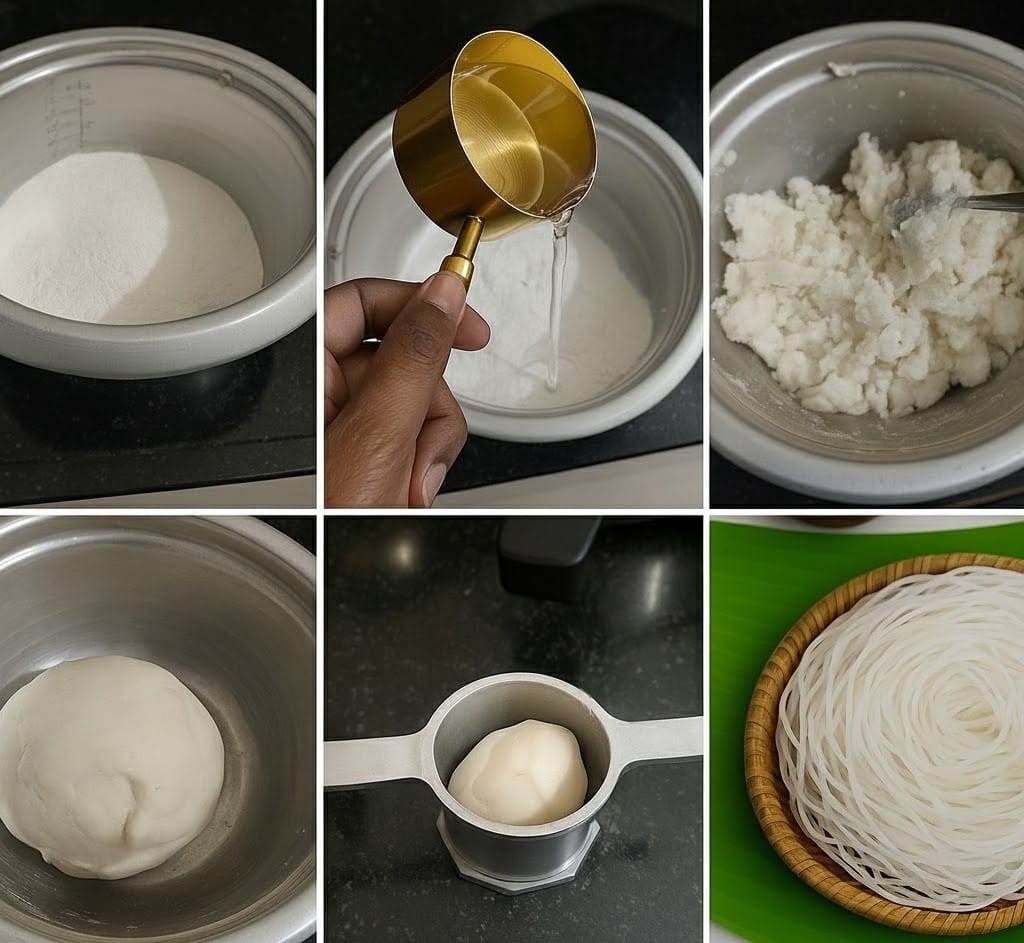
- Add idiyappam flour and salt in a mixing bowl.
- Pour hot water little by little and mix using a spoon.
- Let it cool slightly, then knead into a soft, smooth dough.
- Fill the dough inside the idiyappam maker and press into strands.
- Heat water in a steamer, place the idiyappam, and steam for 8–10 minutes until cooked.
Notes
- Always use hot water for soft idiyappam.
- Kneading well after it cools slightly makes the dough smooth.
- If the dough is too dry, sprinkle a little more hot water.
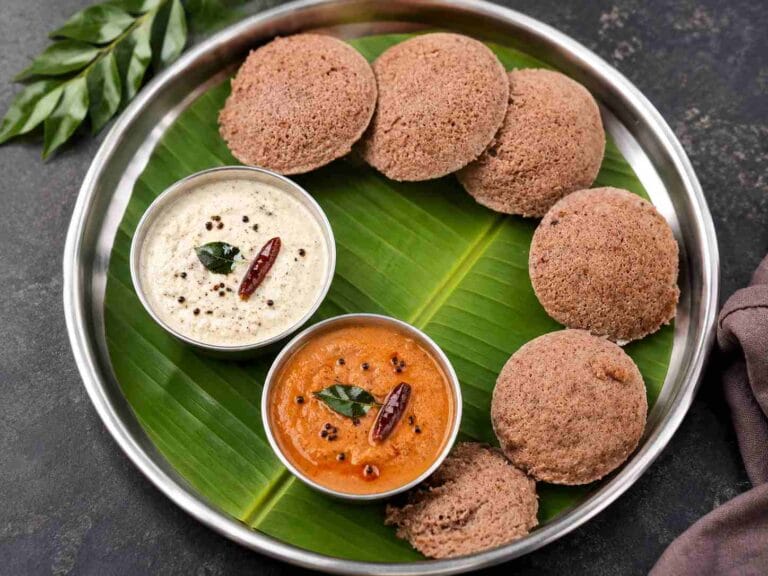
- Serve with coconut milk, vegetable stew, chutney, or sugar & coconut.
- Press the idiyappam immediately, do not let the dough dry.
- Lightly press the dough with one finger to see if it’s soft and smooth.
⭐ Tips & Variations
- Always use boiling hot water for soft, smooth idiyappam.
- Knead the dough only after it cools slightly — this gives a non-sticky texture.
- If the dough feels dry or cracks while pressing, sprinkle a little more hot water.
- Don’t rest the dough for too long; press the idiyappam while it’s still soft.
- For extra softness and flavor, you can add 2–3 tablespoons of coconut milk while kneading the dough.
- Use roasted idiyappam flour for best results; raw flour won’t press easily.
- Steam the idiyappam on medium heat to avoid overcooking.
- You can also add fresh grated coconut on top before steaming for a Kerala-style taste.
- If serving for kids, pair with sugar + grated coconut for a sweet version.
⭐ FAQs for Soft Idiyappam Recipe
Why is my idiyappam dough cracking while pressing?
The dough becomes dry if there isn’t enough hot water. Add a little more hot water and knead again to make it smooth.
How do I make idiyappam soft?
Use boiling water, knead well, and steam on medium heat. This helps you get soft, fluffy idiyappam every time.
Can I use rice flour instead of idiyappam flour?
You can, but results may vary. Idiyappam flour is roasted and fine, so it gives smoother, better strands.
Why are my idiyappam strands breaking?
This happens if the dough is too hard or not kneaded properly. Add a bit more hot water and knead again.
What can I serve with idiyappam?
Idiyappam tastes amazing with coconut milk, vegetable stew, egg curry, chicken curry, or even sugar + grated coconut.
Can I add milk to the dough?
Yes! Adding 2–3 tbsp of milk makes the idiyappam softer and adds richer flavor.
Why is my idiyappam sticky?
Over-steaming can make it sticky. Reduce the steaming time and let it rest for a minute before removing.
Is idiyappam healthy food?
Yes, idiyappam is a very healthy South Indian breakfast/dinner. It is made using just rice flour, hot water, and salt — no oil, no frying. It is light, easy to digest, gluten-free, and perfect for all age groups
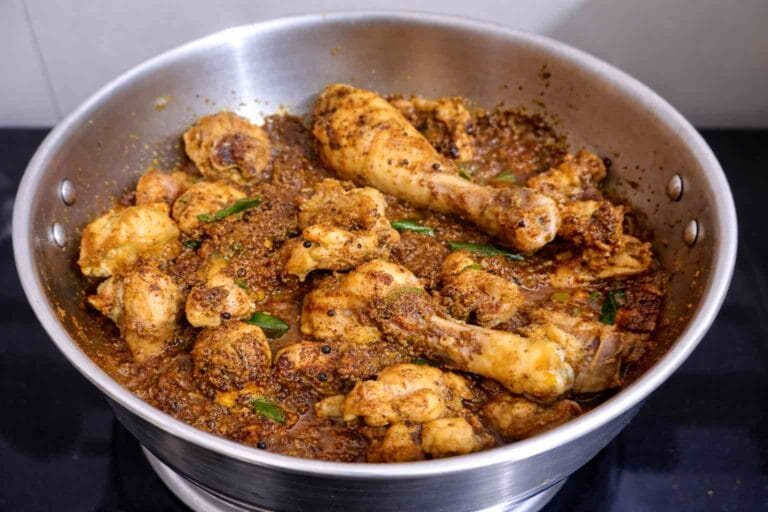
If you like this recipe , you may also enjoy my Simple Pepper Chicken Recipe — it pairs well with idiyappam.
⭐ Final Thoughts
Every time I make idiyappam at home, I’m reminded of how simple ingredients can create something so soft, comforting and satisfying. This is one of those dishes that looks tricky from afar, but once you understand the hot-water ratio, it becomes a recipe you can do even with your eyes closed. Even today, when the first batch presses out perfectly, it still feels like a small victory in the kitchen. One question I hear often is
Why doesn’t my idiyappam come out soft like yours?
Honestly, the softness comes not only from technique, but also from the beauty of rice flour itself. It’s naturally gluten-free, light on the stomach, and gives steady energy without feeling heavy — which is why idiyappam has always been a favourite breakfast in Tamil homes. Rice flour is also known for minerals like manganese and magnesium that help digestion and support overall strength.
If you’re trying idiyappam for the first time, don’t stress about perfection. Just follow the steps patiently, adjust the water gradually, and trust your hands — very soon you’ll be making soft, cloud-textured idiyappam that everyone in your family will look forward to. Cooking truly becomes peaceful when we stop rushing and enjoy those small successes in the kitchen.