Easy Coriander Chutney Recipe | How to Make Kothamalli Chutney
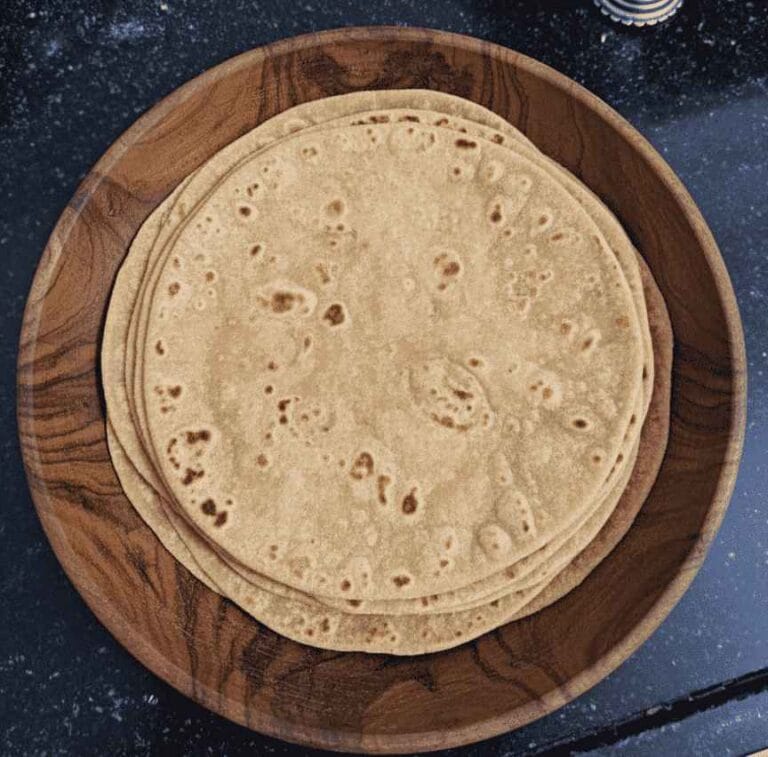
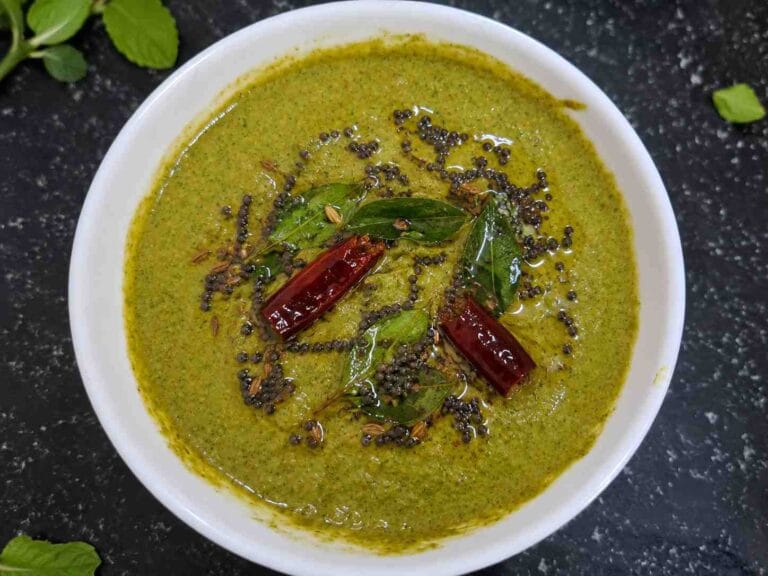
Coriander chutney recipe is one of the easiest and most comforting South Indian side dishes made with fresh coriander leaves, onion, coconut, red chilli, tamarind, and a few simple ingredients available in most kitchens. In South India, this chutney is also called Kothamalli Chutney and is commonly served with hot idli, crispy dosa, chapathi, and even plain rice.
Whenever I buy fresh coriander leaves from the market, I usually keep half for cooking and use the remaining leaves to make this chutney. It is quick to prepare, tastes very homemade, and comes in handy during busy mornings. I also like that this chutney does not have a strong raw green taste because the coriander leaves are sautéed well in gingelly oil before grinding.
The aroma while cooking this chutney is really amazing, especially when the coriander leaves, onion, red chilli, and coconut roast together. Sometimes I mix this chutney with hot rice and pack it for lunch, and it even tastes good as a spread for bread.
Let us see how to make coriander chutney recipe step by step with detailed photos, along with simple tips, variations, and storage ideas for the best homemade flavor.
This coriander chutney also pairs really well with crispy kara paniyaram for an easy evening snack or breakfast combination
Health Benefits of Coriander Chutney
- Coriander leaves are naturally rich in freshness and are commonly used in Indian cooking for everyday meals
- This chutney is light and feels refreshing compared to heavy side dishes
- Coriander and mint are traditionally known to support digestion
- Homemade chutneys made with fresh ingredients can be a healthier alternative to packaged dips and spreads
- Gingelly oil adds traditional flavor and healthy fats to the chutney
- Coconut and dal help give better texture and make the chutney more filling
- Since this chutney is freshly prepared at home, it contains no preservatives or artificial flavors
- The ingredients used are simple, everyday kitchen ingredients that pair well with balanced homemade meals
If you like quick tiffin recipes, this kadalai maavu dosa recipe is a simple protein-rich breakfast option to try at home.
Ingredients for Coriander Chutney Recipe
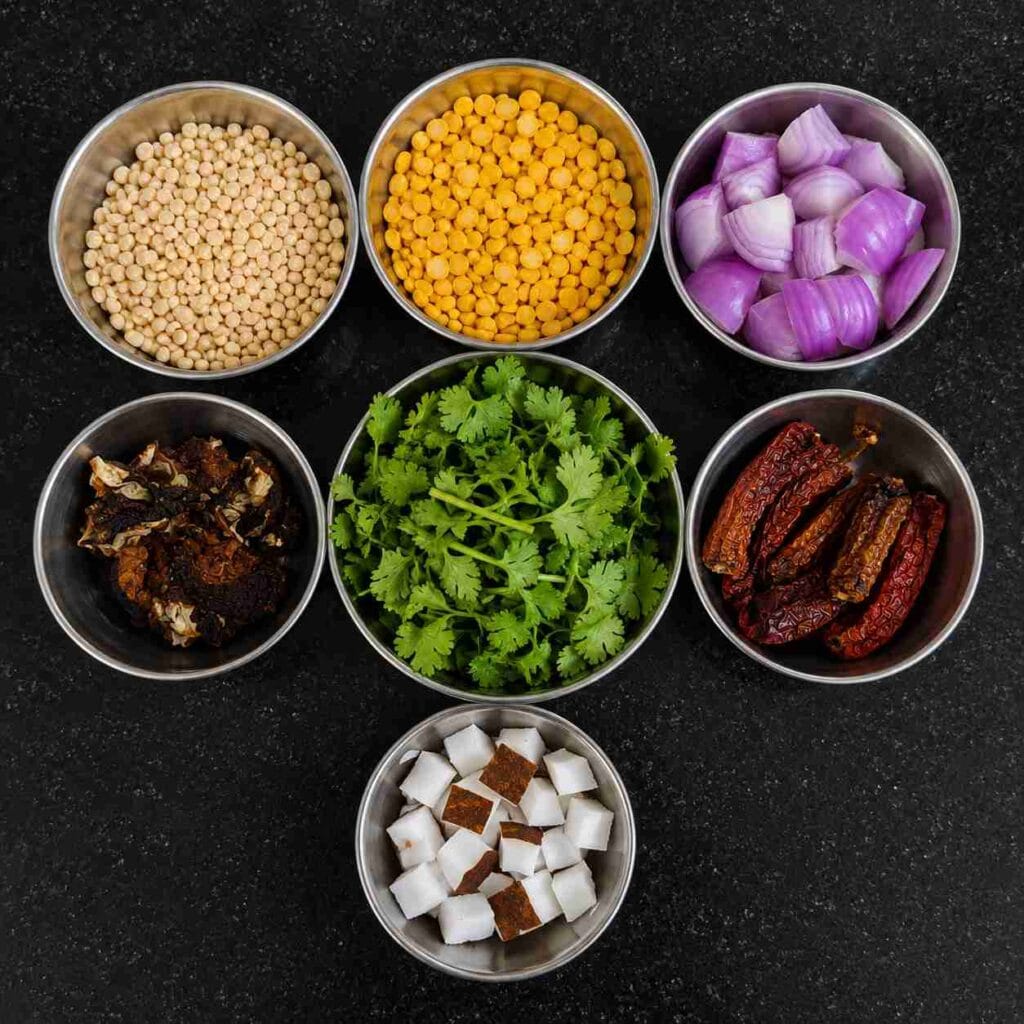
- 1 cup coriander leaves (approximately 100 grams)
- 20 grams mint leaves (optional)
- 1 tablespoon gingelly oil
- 1 tablespoon urad dal
- 1 tablespoon chana dal
- 2 dried red chillies
- 1 medium size onion, roughly chopped
- 1 small piece tamarind
- 1 tablespoon grated coconut or sliced coconut
- Salt as needed
- Water as needed for grinding
For Tempering
- 1 teaspoon oil
- 1/2 teaspoon mustard seeds
- 1 dried broken red chilli
For a healthy breakfast idea, you can also try this wholesome kodo millet upma recipe made with simple everyday ingredients.
How to Make Homemade Coriander Chutney
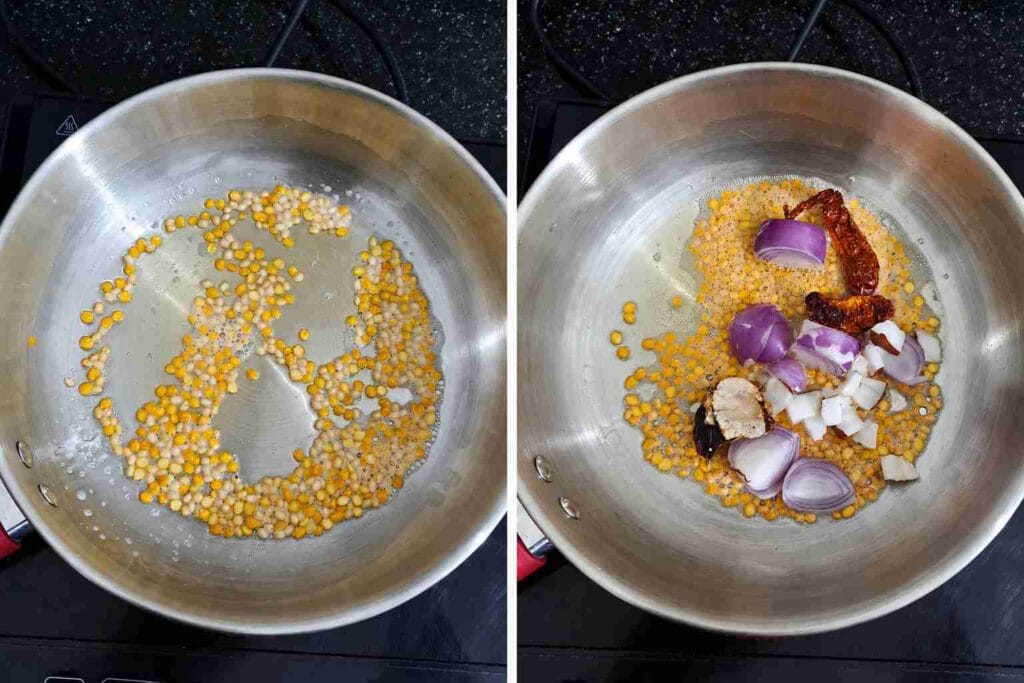
Step 1: Roast the Dal
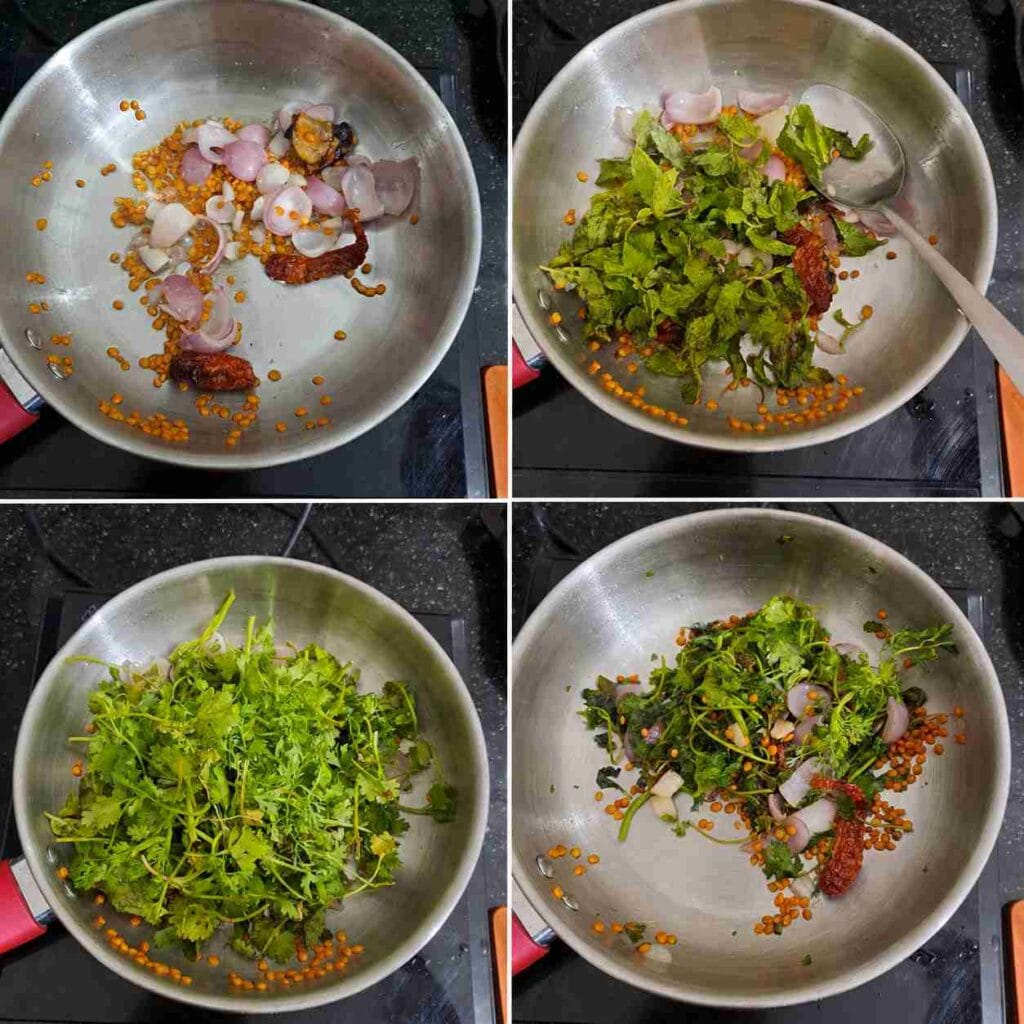
Heat 1 tablespoon gingelly oil in a pan. Add urad dal and chana dal. Roast on medium flame until both turn golden brown and aromatic.
Step 2: Saute the Onion and Red Chilli
Add dried red chillies and roughly chopped onion. Saute for 2 minutes until the onion turns soft and slightly transparent.
Step 3: Add Tamarind and Coconut
Now add tamarind and grated coconut. Saute for another minute so the coconut gets lightly roasted and the raw smell reduces.
Step 4: Add Mint and Coriander Leaves
- Add mint leaves and coriander leaves to the pan. Saute for 2 to 3 minutes until the leaves shrink slightly and the raw smell disappears.
- This step gives the chutney a more flavorful homemade taste without strong raw flavor.
Step 5: Cool and Grind
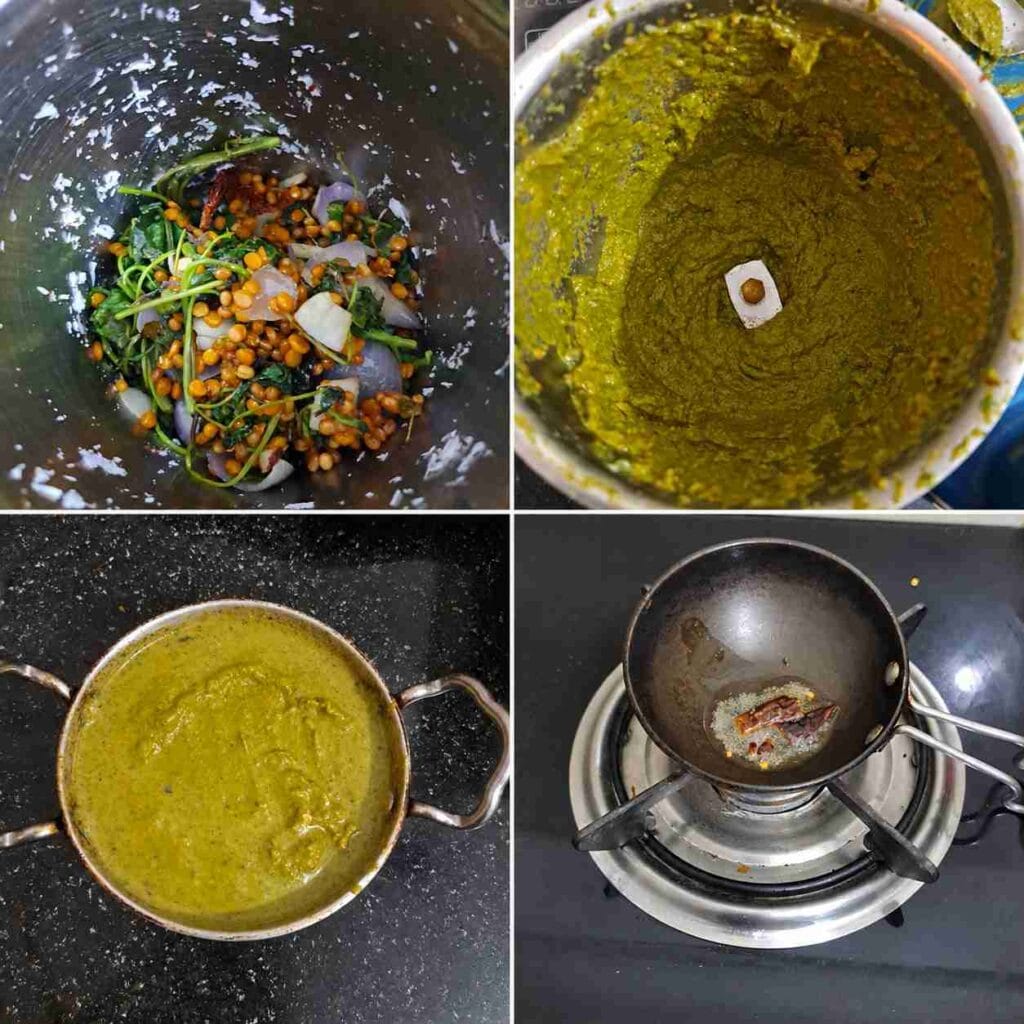
- Switch off the flame and allow the mixture to cool completely.
- Transfer everything to a blender jar. Add salt and little water gradually, then grind into a smooth or slightly coarse chutney based on your preference.
Step 6: Prepare the Tempering
Heat 1 teaspoon oil in a small pan. Add mustard seeds and let them splutter. Add 1 dried red chilli and pour the tempering over the chutney.
Step 7: Serve
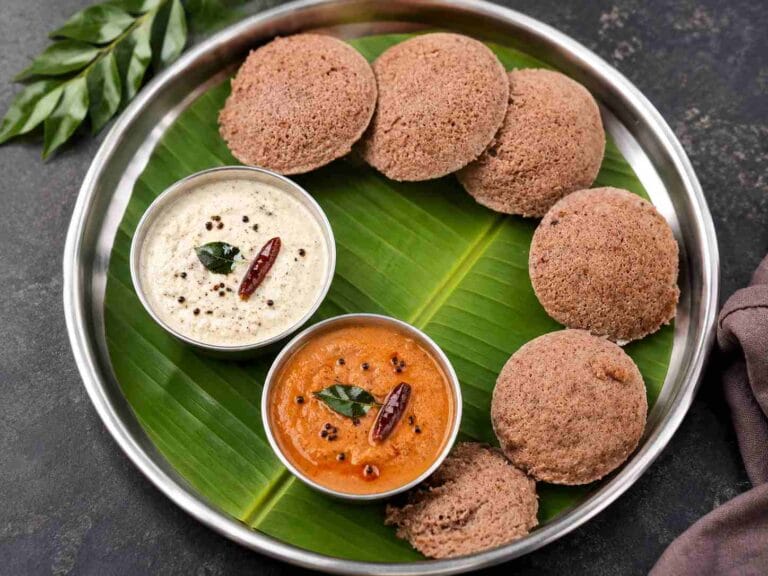
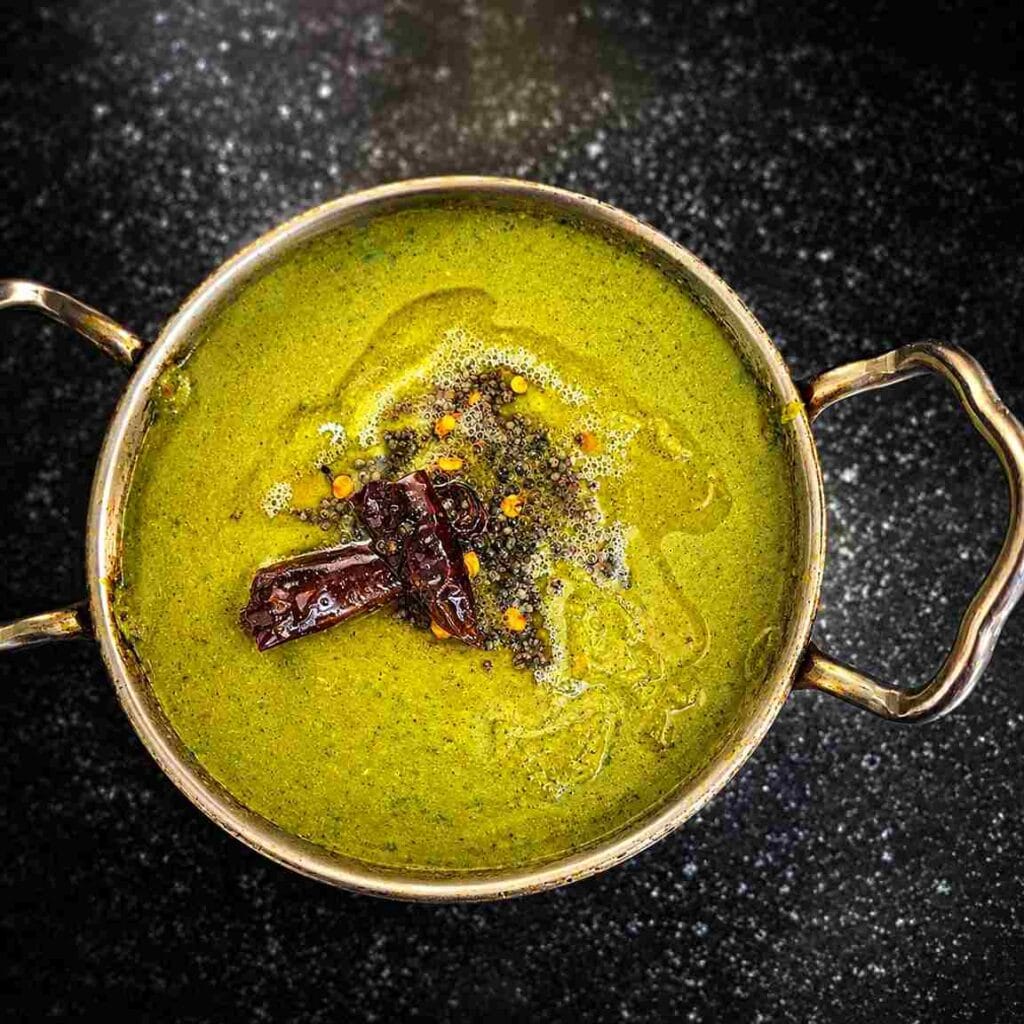
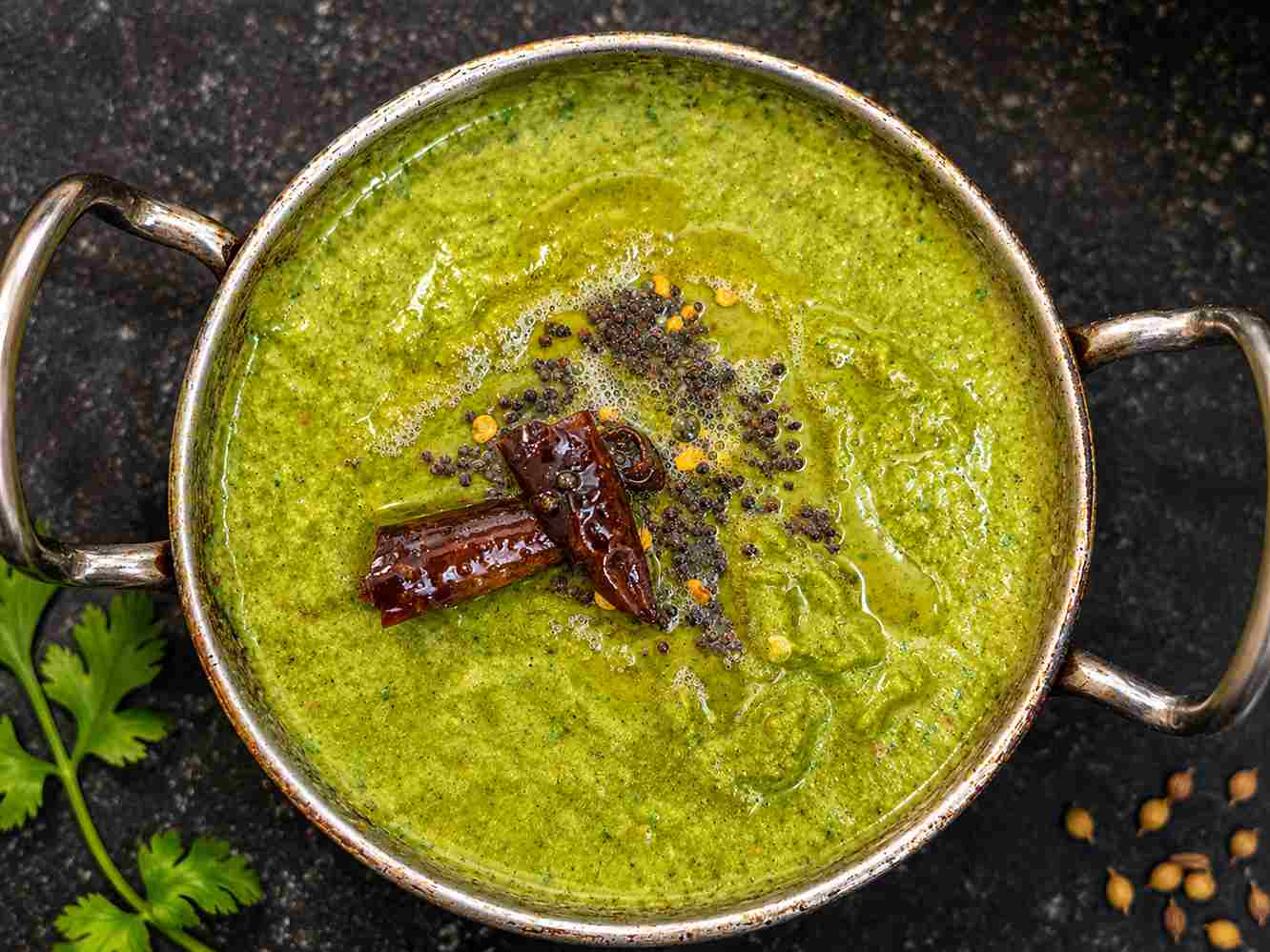
Homemade coriander chutney is now ready to serve with hot idli, dosa, chapathi, bread, or plain rice
Tips and Variations
- Always saute the coriander leaves well to avoid raw taste in the chutney
- Do not add too much mint leaves, otherwise the mint flavor may overpower the coriander taste
- Gingelly oil gives the best homemade South Indian flavor, but you can also use regular cooking oil
- Add more coconut if you prefer a slightly thicker and milder chutney
- For extra spicy taste, increase the number of red chillies
- If the chutney becomes too thick after refrigeration, add little warm water and mix before serving
- You can make this chutney without mint leaves if needed
- A small garlic clove can also be added while sauteing for extra flavor
- This chutney tastes even better after resting for some time because the flavors blend well together
- For rice, grind the chutney slightly thicker and mix with gingelly oil or ghee before serving
- If you like slight tanginess, you can increase tamarind a little based on your taste
- Store the chutney in an airtight container inside refrigerator for better freshness
Looking for another flavorful side dish? Try this homemade peanut chutney recipe and easy onion chutney without coconut
Coriander Chutney Recipe | South Indian Kothamalli Chutney
Ingredients
Equipment
Method
- Heat gingelly oil in a pan and add urad dal and chana dal. Roast until golden brown.
- Add dried red chillies and chopped onion. Saute until the onion becomes soft and transparent.
- Add tamarind and coconut. Saute for another minute.
- Add mint leaves and coriander leaves. Saute for 2 to 3 minutes until the leaves shrink and the raw smell disappears.
- Switch off the flame and cool the mixture completely.
- Transfer to a blender jar, add salt and little water, then grind into smooth chutney.
- Heat oil for tempering, add mustard seeds and dried red chilli. Pour over the chutney.
- Serve with idli, dosa, chapathi, bread, or rice.
Notes
- Sauteing the coriander leaves helps remove raw taste and gives better flavor.
- Mint leaves are optional but add freshness to the chutney.
- Adjust water quantity based on the consistency you prefer.
- Store in refrigerator in an airtight container for up to 5 to 7 days.
FAQs for Homemade Coriander chutney Recipe
How to make coriander chutney without raw taste?
Saute the coriander leaves well for a few minutes before grinding. This helps remove the raw smell and gives a more flavorful homemade taste.
Can I make coriander chutney without mint leaves?
Yes, mint leaves are completely optional in this recipe. The chutney still tastes delicious with only coriander leaves.
How long does coriander chutney stay fresh?
You can store the chutney in an airtight container inside the refrigerator for about 5 to 7 days.
Can I use green chilli instead of red chilli?
Yes, you can replace dried red chilli with green chilli based on your taste preference.
What can I serve with coriander chutney?
This chutney tastes best with idli, dosa, chapathi, bread, pongal, and even plain hot rice.
Why does coriander chutney sometimes taste bitter?
Using too many coriander stems, overcooking the leaves, or adding excess tamarind can slightly change the taste. Always use fresh coriander leaves for best flavor.
Can I make this chutney without coconut?
Yes, you can skip coconut if needed. The texture may become slightly thinner, but the chutney will still taste good.
Which oil is best for coriander chutney?
Gingelly oil gives the best authentic South Indian homemade flavor for this chutney
Benefits of Using Coriander in Food
- Coriander leaves add fresh aroma and flavor to everyday meals
- It is commonly used in Indian cooking to make food feel lighter and more refreshing
- Coriander is traditionally known to support digestion when included in regular meals
- Fresh coriander leaves contain natural antioxidants and nutrients
- Adding coriander to chutneys, curries, and rice helps improve taste without needing heavy ingredients
- Coriander-based chutneys are a simple way to include fresh herbs in daily food
- The freshness of coriander pairs well with spicy South Indian breakfast dishes like idli and dosa
If you have extra coriander leaves at home, try this simple homemade coriander chutney recipe once and enjoy it with your favorite South Indian breakfast. The fresh aroma, slight tanginess, and comforting homemade flavor make this chutney perfect for everyday meals.
If you try this recipe, do share your experience and your favorite pairing in the comments below Your feedback and small variations may also help other readers trying this homemade chutney recipe at home.
Don’t forget to subscribe to our newsletter for more simple South Indian recipes, cooking tips, and traditional homemade food ideas. If you make this coriander chutney, share your version on Instagram and tag us at @indianrecipestoday