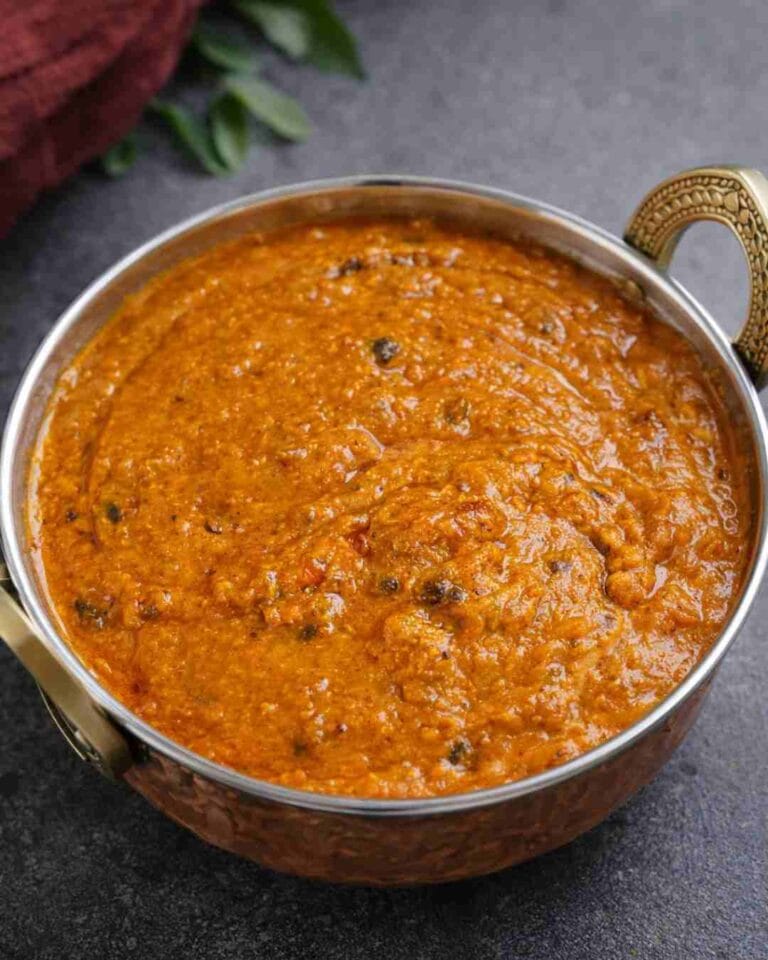
Vavval Meen Kulambu (Pomfret Fish Curry) | Varutha Meen Kulambu Recipe
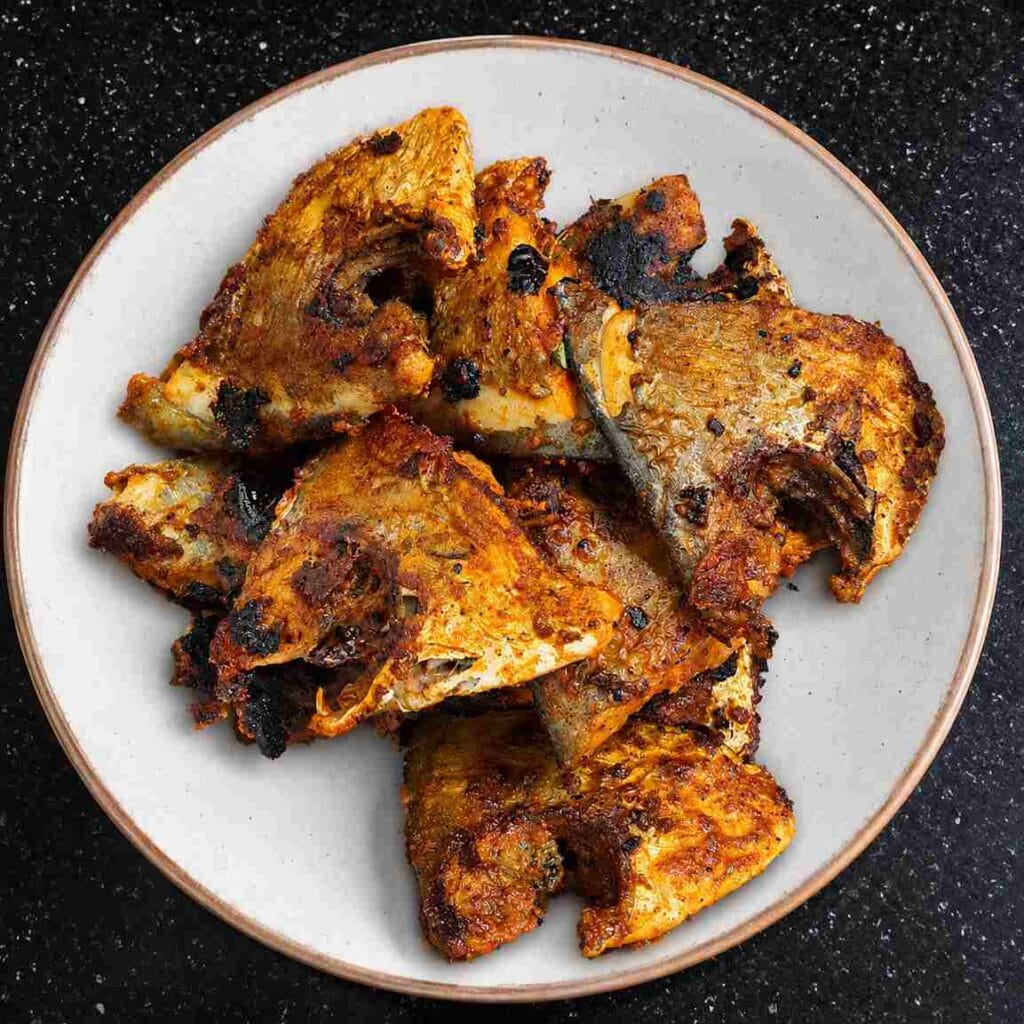
I usually make fish kulambu with fish cooked directly in the gravy, but this time I wanted to try it with fried pomfret. The fish is fried first and kept aside while the kulambu is prepared separately with onion, tomato, spices and tamarind. If you have some leftover fried fish from a previous meal, you can also use it to make this kulambu instead of frying the fish again.
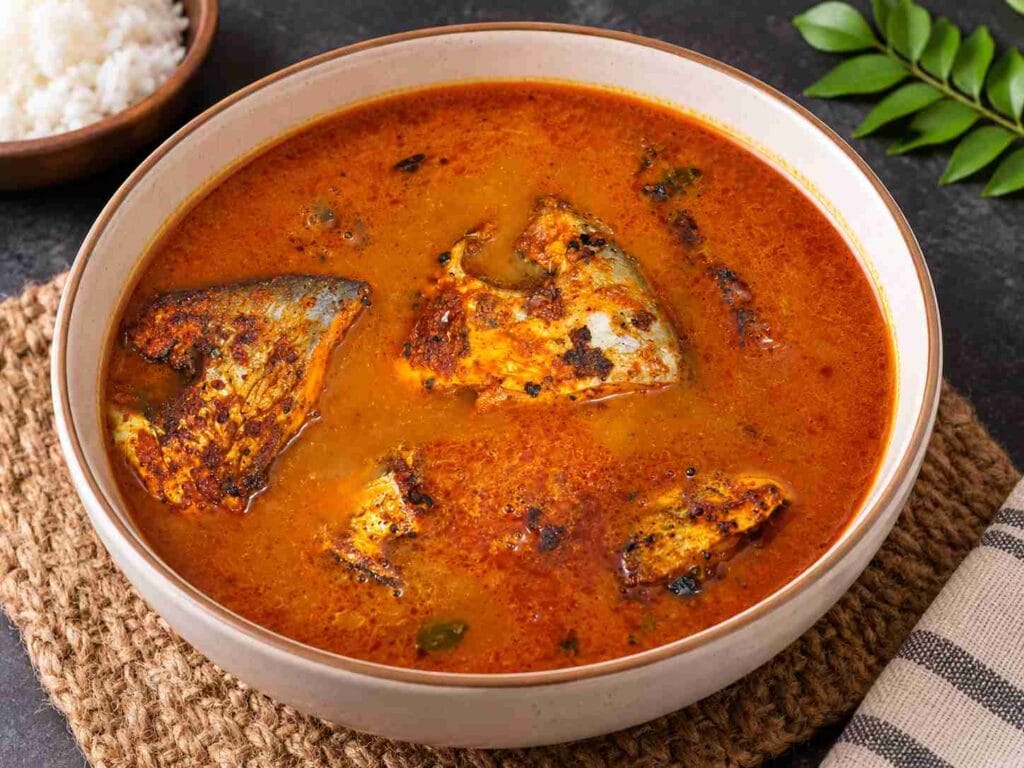
Once the gravy is ready, add the fried fish and let it cook for a few minutes so it absorbs all the spicy and tangy flavors.
Meen Kulambu tastes even better the next day. If you have some leftover, don’t worry the flavors have more time to come together. The masala and tamarind gravy get absorbed into the fried fish, making the kulambu even more flavorful the following day.
What is Vavval Meen Kulambu (Pomfret Fish Curry)?
Vavval meen is pomfret, and this is a simple South Indian-style Pomfret Fish Curry with a spicy and tangy tamarind gravy. In this version, the fried fish gives the kulambu a different taste and texture, which is why I also call it Varutha Meen Kulambu.
I make the gravy with gingelly oil, onion, tomato, garlic, curry leaves, fenugreek and kulambu masala, then add tamarind and let it cook well before adding the fried pomfret.
If you enjoy different types of South Indian fish kulambu, you can also try my Ayila Meen Kulambu, and Sankara Meen Kulambu
Why pomfret works well for fish kulambu
Pomfret has delicate flesh that takes on the flavors of the gravy nicely. In this recipe, frying the pomfret first gives the fish a slightly crisp outer layer before it is added to the tangy tamarind kulambu.
Pomfret Fish and Its Benefits
Pomfret is a good source of protein and provides several important nutrients. Including fish such as pomfret as part of a balanced diet can provide nutritional benefits.
Some benefits of including pomfret in your diet include:
- Provides protein: Pomfret provides protein, which supports muscle maintenance and the normal growth and repair of body tissues.
- Provides omega-3 fatty acids: Fish can provide omega-3 fats, which support normal heart and brain function.
- Supports a balanced diet: Pomfret can be included as a protein-rich option as part of a varied and balanced diet.
- Provides essential nutrients: Pomfret contains nutrients such as vitamin B12 and minerals that contribute to normal body functions.
- A versatile fish for cooking: Pomfret works well in curries, frying and other preparations, making it easy to include in different meals.
Ingredients for Vavval Meen Kulambu
For the Kulambu
- Pomfret Fried Fish – (crispy fish fry recipe ) with masala
- Gingelly oil – 2 tbsp
- Fenugreek seeds – ¼ tbsp
- Garlic – 3 cloves
- Onion – 2 medium, ground into a puree
- Tomato – 2 medium, ground into a puree
- Curry leaves – a few
- Coriander leaves – chopped, for finishing
- Tamarind – 1 lemon-sized ball
- Water – as required
- Salt – as required
For the Kulambu Masala
- Red chilli powder – 1 tbsp
- Coriander powder – 1½ tbsp
- Turmeric powder – ¼ tbsp
- Water – as required, to make a thick masala paste
Note : I used homemade Kulambu Masala Powder
How to Make Vavval Meen Kulambu
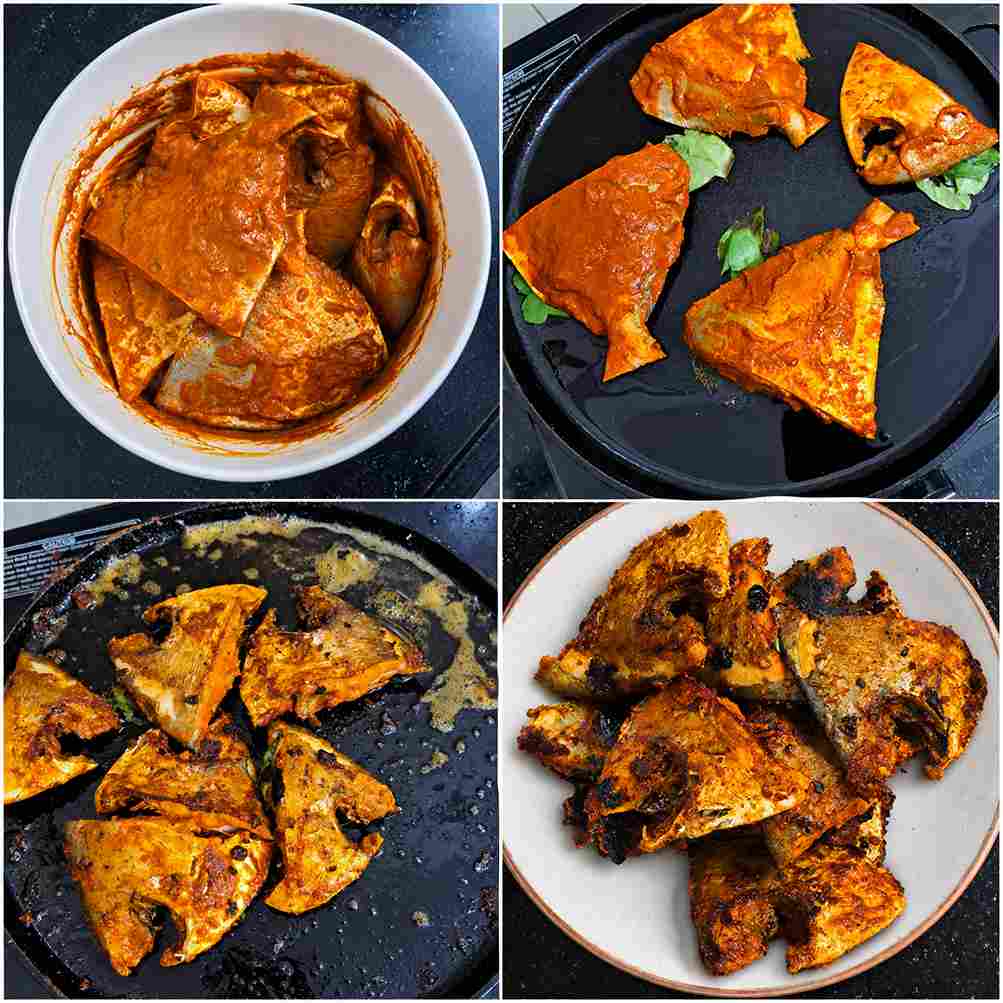
1. Fry the fish
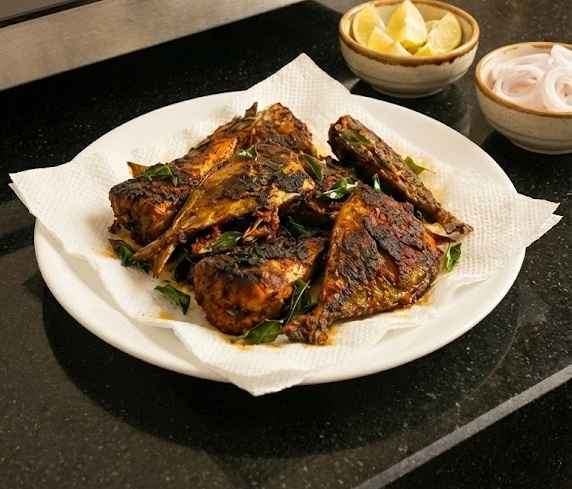
- First, clean the pomfret and cut it into pieces. Apply the fish fry masala all over the fish and fry the pieces until they are cooked and nicely fried. Take them out and keep them aside.
- If you already have some leftover fried fish, you can use that too. You don’t have to fry the fish again just for this kulambu.
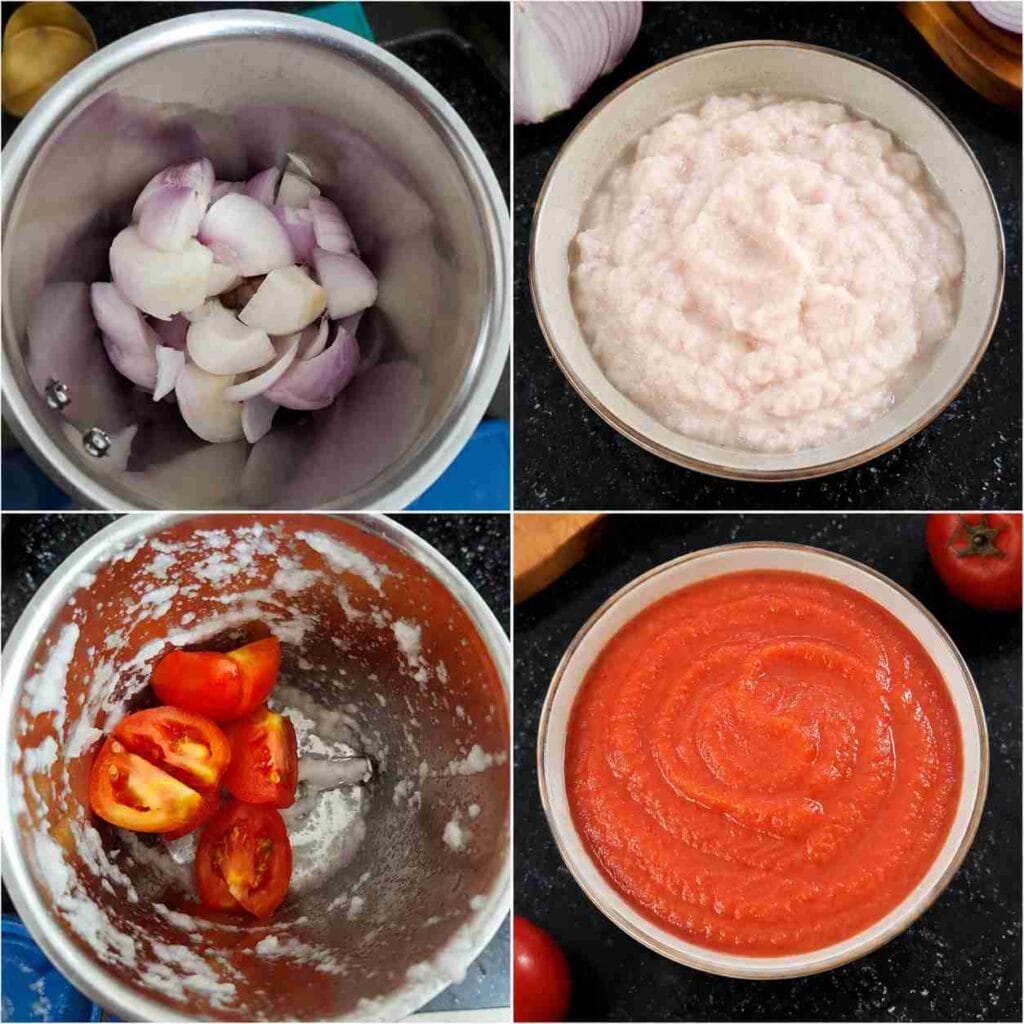
2. Get the onion and tomato ready
- Grind 2 medium onions and keep the puree aside.
- Do the same with 2 medium tomatoes and keep that puree ready.
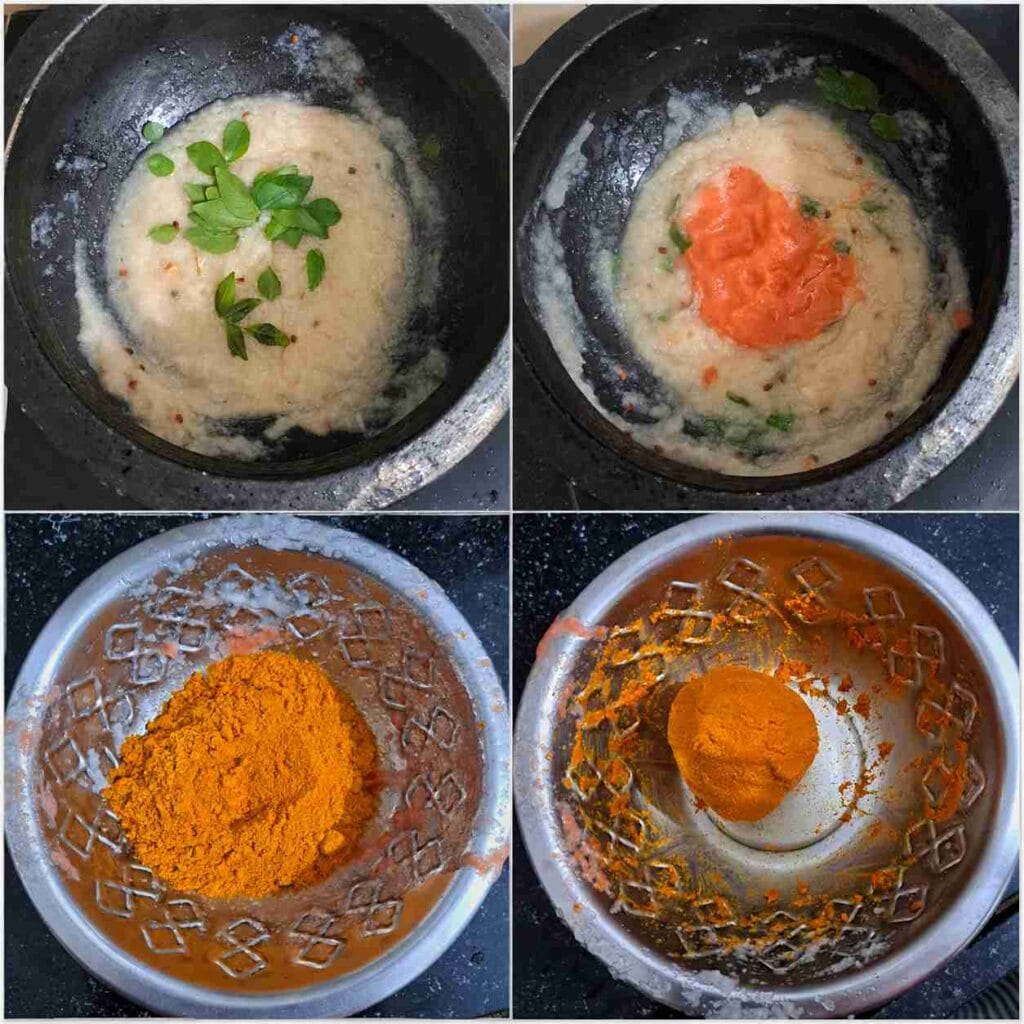
3. Make the masala paste
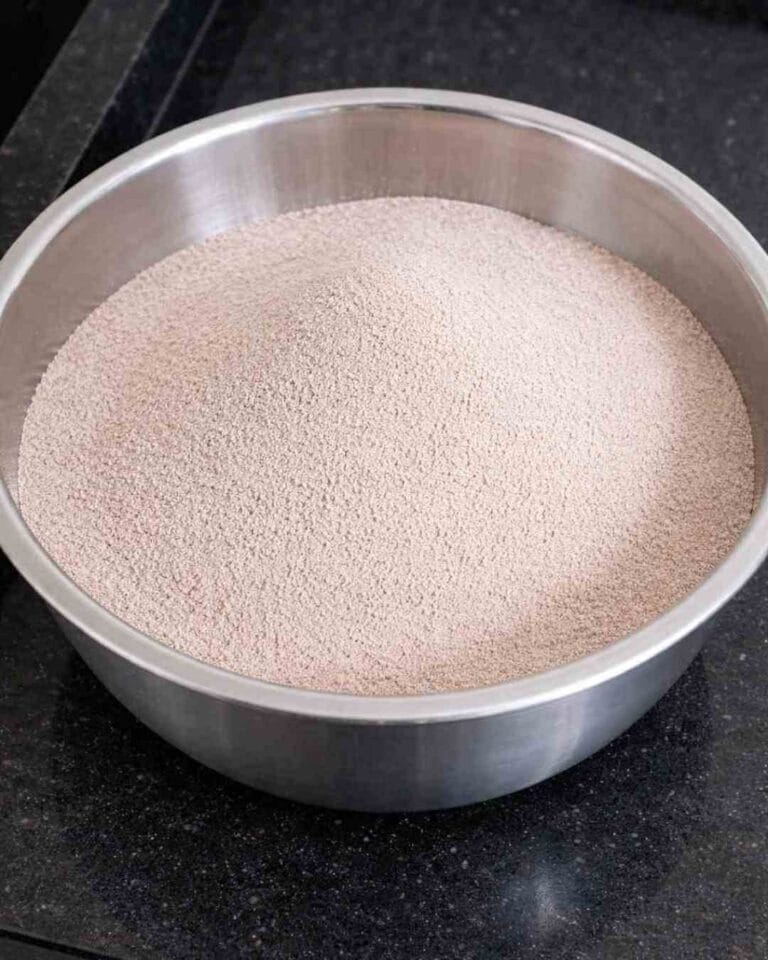
- I used my homemade kulambu powder for this recipe. Take the required amount in a small bowl, add some water and mix it into a thick paste. Keep it aside.
- If you don’t have homemade kulambu powder, you can use 1 tbsp red chilli powder, 1½ tbsp coriander powder and ¼ tbsp turmeric powder. Add a little water, mix it well and keep it ready.
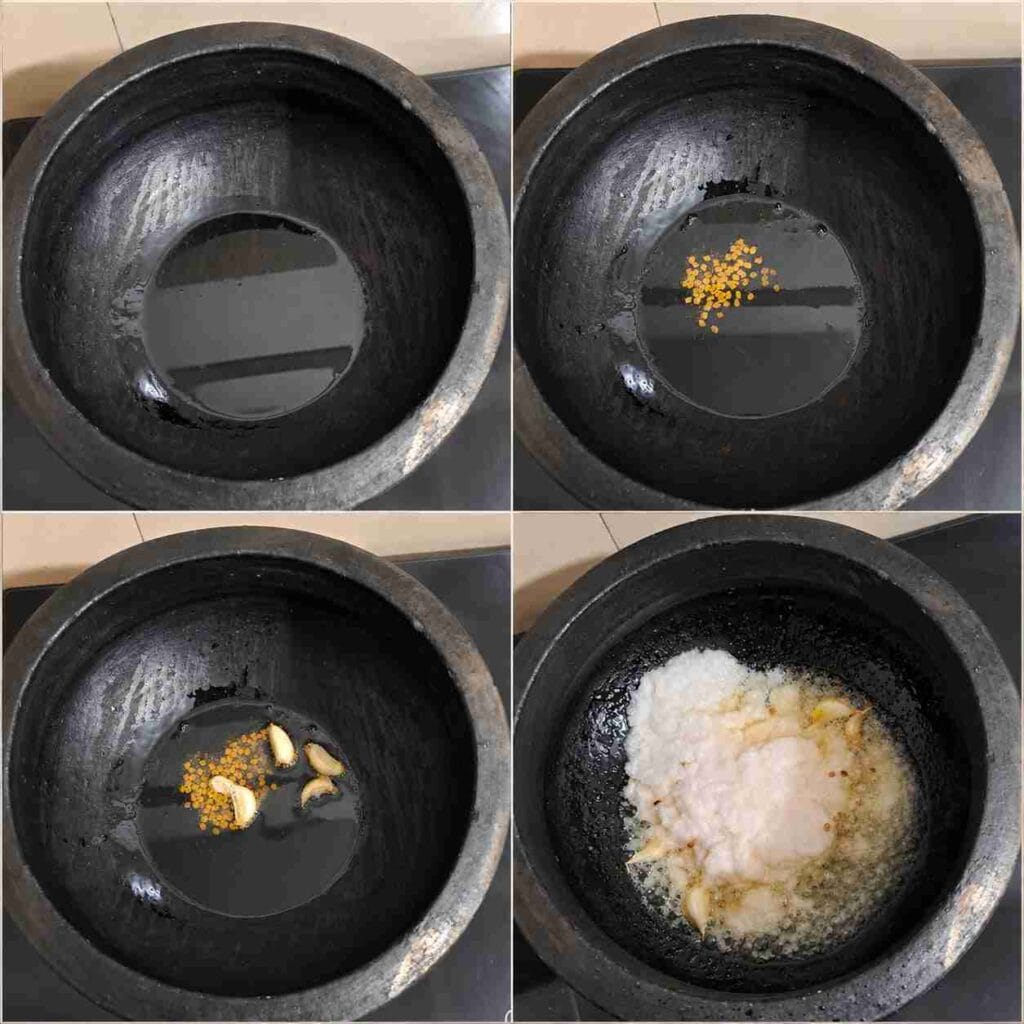
4. Start making the kulambu
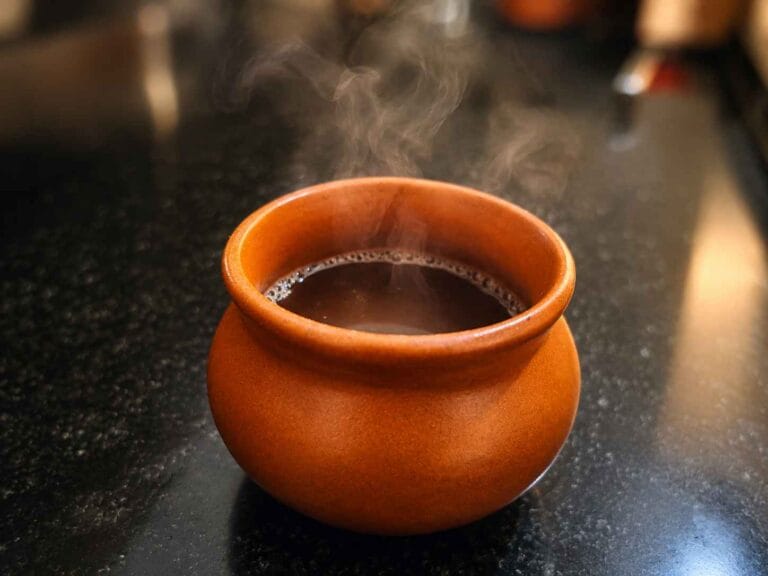
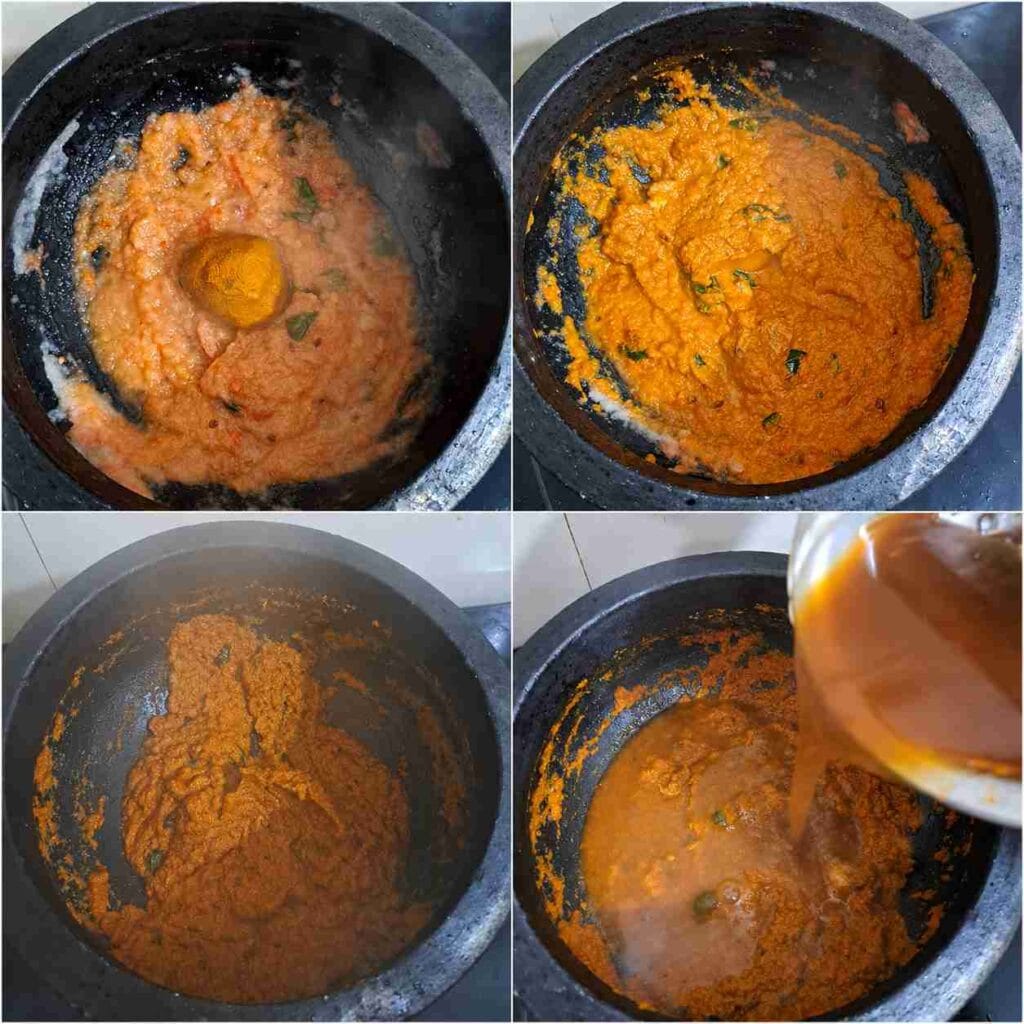
- I used a clay pot to make this kulambu. Heat 2 tbsp gingelly oil in the pot and add ¼ tbsp fenugreek seeds.
- Once they start sizzling, add 3 garlic cloves and sauté for about 3 minutes. Add a few curry leaves and then add the onion puree.
- Keep sauteing until the raw smell of the onion goes away.
Note : I don’t usually add mustard seeds when I make my meen kulambu. Whenever I use tamarind water in the kulambu, I prefer adding fenugreek seeds instead. I feel the fenugreek gives a really nice flavor to the tamarind-based gravy and makes the whole kulambu taste better.
5. Add the tomato and masala
- Now add the tomato puree and mix everything well. Let it cook for a few minutes.
- Add the prepared kulambu masala paste and mix it in. Cook until the masala is well cooked and the raw smell goes away.
7. Add the tamarind
- Take one lemon-sized ball of tamarind, extract the juice and add it to the kulambu.
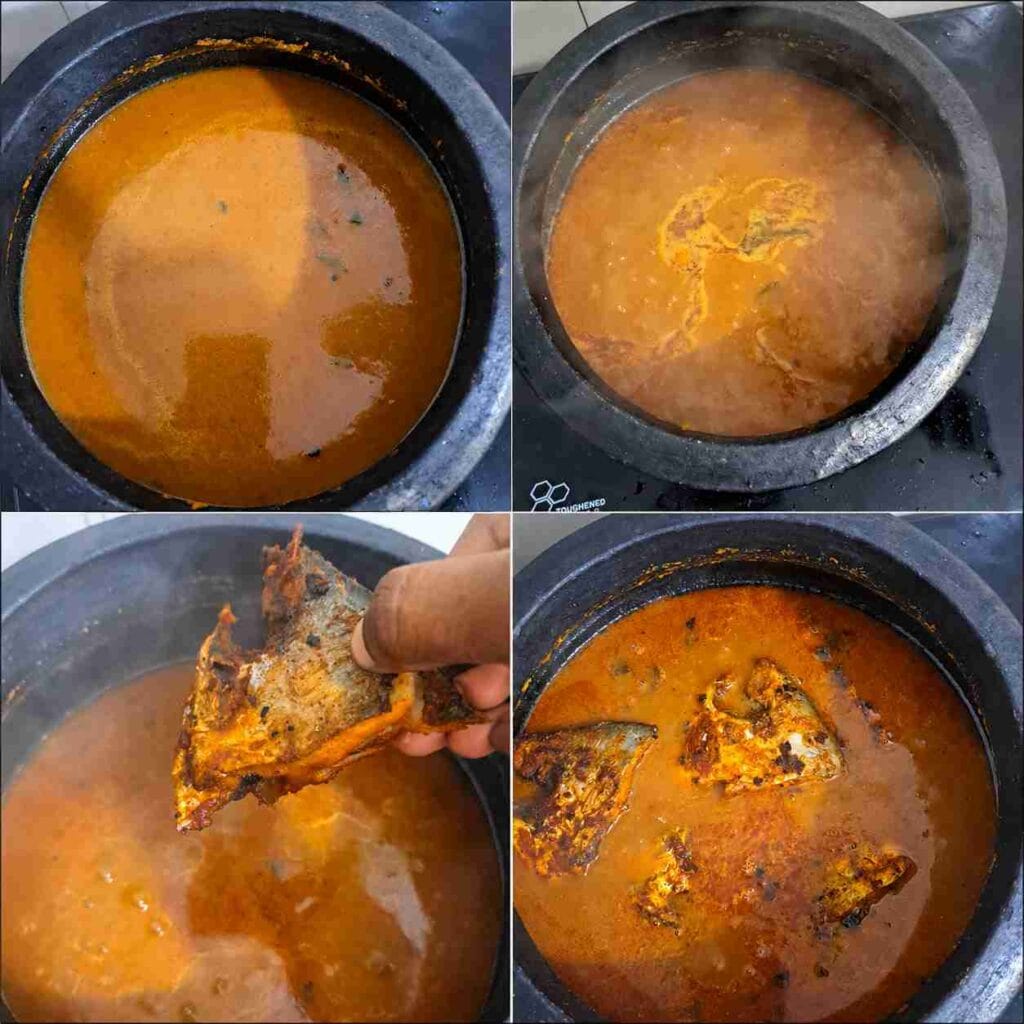
- Mix well and let it boil for about 10 minutes. This gives the tamarind time to blend nicely with the masala.
8. Add the fried pomfret
- Now add the fried pomfret pieces to the boiling kulambu.
- Let it cook for about 5 minutes. Since the fish is already fried, it doesn’t need to cook for a long time here.
9. Finish the kulambu
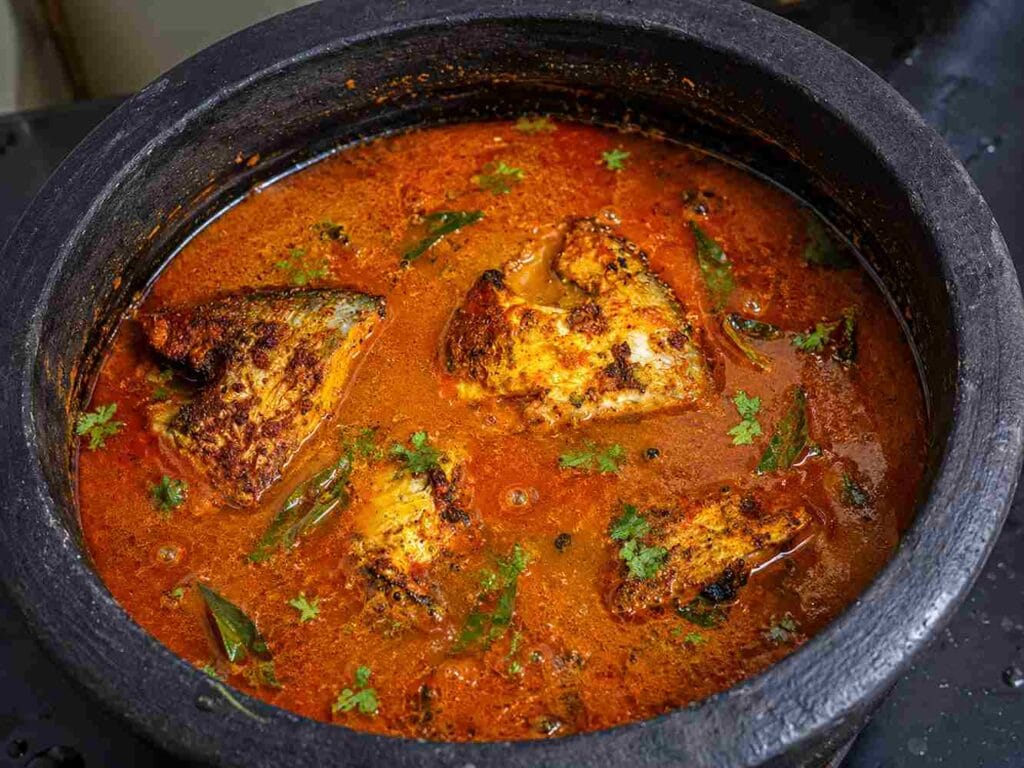
- Finally, add some chopped coriander leaves and switch off the stove.
- That’s it — your Vavval Meen Kulambu / Varutha Meen Kulambu is ready. Serve it hot with rice.
Tips and Variations
- Use leftover fried fish to make the kulambu.
- Adjust tamarind according to your preferred tanginess.
- For a milder curry, reduce the red chilli powder.
- Clay pot gives the kulambu a traditional flavor, but a regular heavy-bottomed pot works too.
- Let the kulambu rest before serving for the flavors to settle.
- The kulambu tastes even better the next day as the fish absorbs the gravy.
FAQs for Vavval Meen Kulambu
Can I use leftover fried fish to make Varutha Meen Kulambu?
Yes. Leftover fried fish works very well for this recipe. Instead of frying the fish again, you can add the already-fried pieces to the prepared kulambu and let them simmer briefly so they absorb the gravy.
Is fish curry good for diabetes?
Fish itself is a good source of protein and can be included in a balanced diet. For people with diabetes, the overall meal matters too, so enjoy fish curry with suitable portions of rice or other carbohydrate-rich foods and consider the ingredients and cooking method used in the curry.
Is Meen Kulambu healthy?
Meen Kulambu can be part of a healthy, balanced meal. Fish provides protein and other nutrients, while the curry also contains ingredients such as onion, tomato, spices and tamarind. The amount of oil and what you serve with the kulambu also affect the overall meal.
Which fish is good for kulambu?
Several fish varieties can be used for kulambu. Pomfret, seer fish (vanjaram), sardines, mackerel and other firm-fleshed fish work well. For this recipe, I use Vavval (pomfret) because it holds together nicely after frying and absorbs the tamarind gravy well.
Which is the tastiest fish to eat?
The tastiest fish depends on personal preference and the way it is prepared. Pomfret is a popular choice because it has delicate flesh and works well in both fried preparations and fish curry. For this Varutha Meen Kulambu, fried pomfret pairs especially well with the spicy and tangy gravy.
How many minutes do fish cook in kulambu?
It depends on the fish and whether it is already cooked. For this recipe, the pomfret is fried first, so it only needs about 5 minutes in the kulambu to absorb the gravy and finish cooking. Fish that is added raw may need a different cooking time.
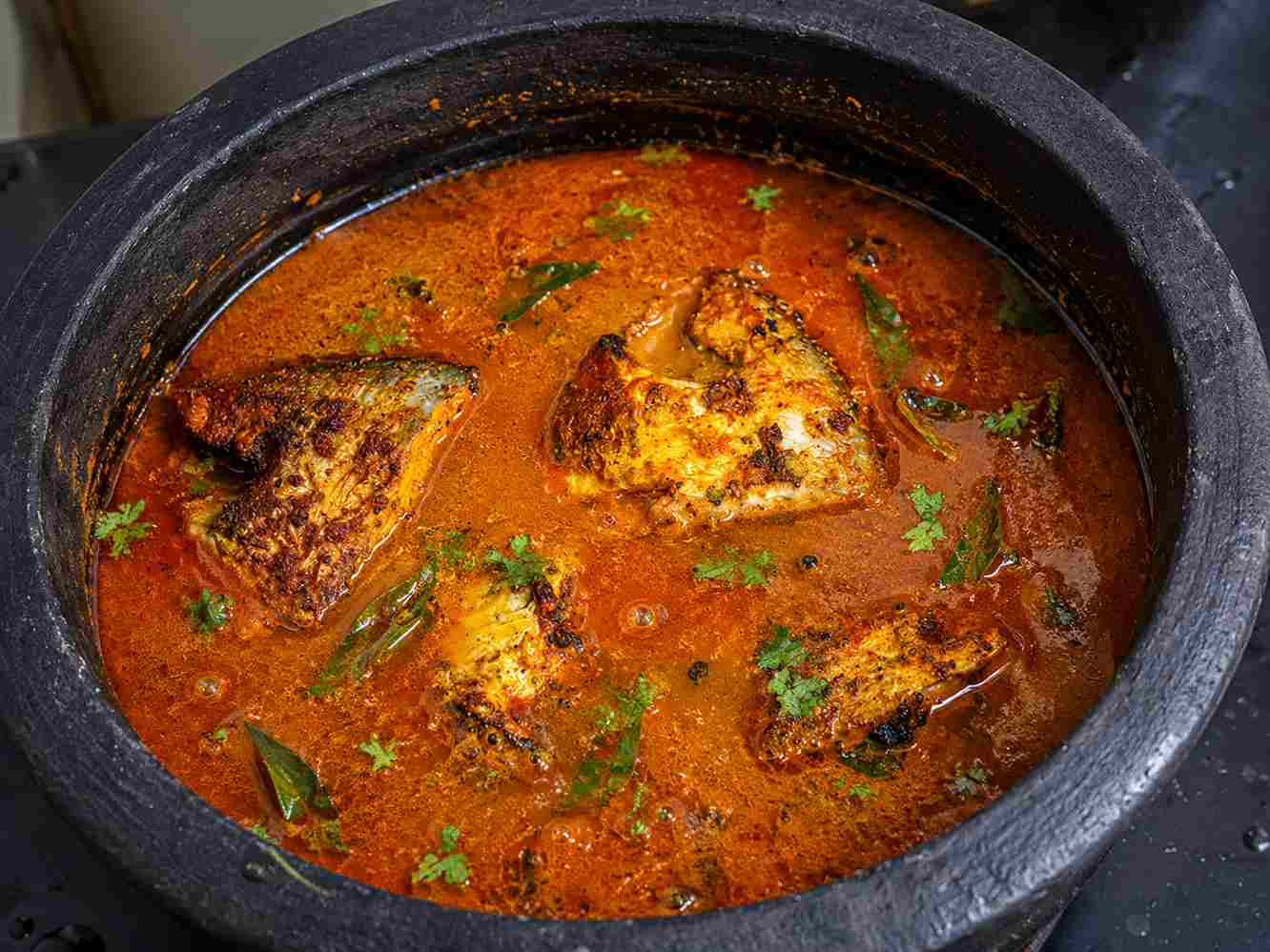
Vavval Meen Kulambu (Pomfret Fish Curry)
Ingredients
Equipment
Method
- Clean and cut the pomfret into pieces. Coat with fish fry masala and fry until cooked and lightly crisp. Keep aside.
- Grind the onions and tomatoes separately and keep them ready.
- Mix homemade kulambu powder with a little water to make a thick paste. If using individual spices, mix the chilli powder, coriander powder and turmeric with water instead.
- Heat gingelly oil in a clay pot. Add fenugreek seeds and let them sizzle. Add garlic and sauté for about 3 minutes.
- Add curry leaves and onion puree. Sauté until the raw smell goes away.
- Add tomato puree and cook for a few minutes. Add the prepared kulambu masala and sauté until the masala is cooked well.
- Add enough water and let the kulambu boil.
- Extract the juice from the tamarind and add it to the kulambu. Boil for about 10 minutes.
- Add the fried pomfret pieces and cook for about 5 minutes.
- Add chopped coriander leaves and switch off the heat.
Notes
Serving Suggestions
Vavval Meen Kulambu is best served hot with steamed rice, but you can also enjoy the spicy and tangy gravy with dosa or idli.
Tried this Recipe?
If you tried this Vavval Meen Kulambu, I’d love to hear how it turned out! Leave a comment below and let me know how you liked it. If you enjoyed the recipe, share it with your family and friends, and don’t forget to tag @indianrecipestoday on Instagram.
For more traditional South Indian recipes, subscribe to our newsletter so you don’t miss a new recipe.