15min Pepper Garlic Rasam | Simple Milagu Rasam Without Rasam Powder
What is Milagu Rasam
Pepper garlic rasam, also called milagu rasam, is one recipe I make often at home whenever we want something simple, comforting, and easy on the stomach. The main ingredients used in this rasam — pepper, garlic, cumin, coriander seeds, and tamarind — are basic pantry staples in many South Indian homes, but together they give amazing flavor and warmth. After a heavy meal or on days when digestion feels slow, a hot bowl of homemade rasam always feels light and soothing.
In many families, milagu rasam is something regularly made for both kids and elders because it is simple, comforting, and easy to drink with rice. Especially during rainy days, cold weather, or when someone at home is not feeling very hungry, this kind of rasam is often the first thing made in the kitchen. There are many ways to prepare milagu rasam, but this is my simple everyday version made without any rasam powder. I freshly crush the spices using a stone mortar, and that itself gives a beautiful homemade aroma and taste.
Come, let’s see how to make this simple pepper garlic rasam in less than 15 minutes with easy step-by-step instructions. This recipe is completely beginner-friendly, and even bachelors or office goers can make it without any complication. I’ll also share a few simple tips throughout the recipe that help make the rasam more flavorful and comforting.
If you enjoy traditional South Indian comfort recipes, try this flavorful Ambur Chicken Dum Biryani for a complete weekend meal.
Benefits Of Milagu Rasam
- Pepper and cumin are commonly used in traditional cooking and are known for their digestion-friendly qualities
- Garlic adds strong homemade flavor and warmth to the rasam
- Light and easy on the stomach compared to heavy curries
- Many people prefer milagu rasam after a heavy meal because it feels comforting
- Simple ingredients make it suitable for quick everyday cooking
- Hot rasam feels soothing during cold or rainy weather
- Easy to prepare for kids, elders, bachelors, and office goers
- Can be served with rice or enjoyed as a warm comforting drink
Ingredients Required For Milagu Rasam Recipe
Grinding
- 1 tbsp black pepper (peppercorns)
- 1 tbsp cumin seeds (jeera)
- 1 tbsp coriander seeds (dhania)
- 5 garlic cloves (with skin, lightly crushed)
- 1 green chilli (slit lengthwise)
- Few curry leaves (about 8–10 leaves)
- Few fresh coriander leaves (cilantro, about 1 tbsp chopped)
For Cooking
- 1 lemon-sized tamarind ball (or 2 tbsp concentrated tamarind paste)
- 1 medium ripe tomato (roughly sliced—about 100g)
- ¼ tsp turmeric powder (haldi)
- ¼ tsp hing (asafoetida/hing powder)
- 2 dry red chillies (optional, for extra heat)
- ½ tbsp mustard seeds (rai)
- 1 tbsp gingelly oil (sesame oil) or ghee
- Salt to taste
- 2.5 to 3 cups water (adjust based on desired thickness)
In many South Indian homes, rasam is still cooked in traditional cookware like clay pots for better flavor and earthy aroma. Here’s how to season a clay pot for cooking properly before use.
How To Make Milagu Rasam Without Rasam Powder Step By Step
Step 1: Crush The Spices
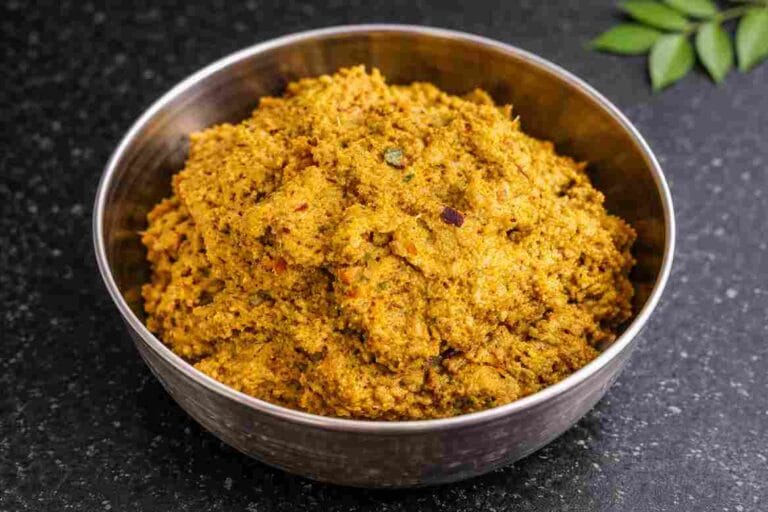
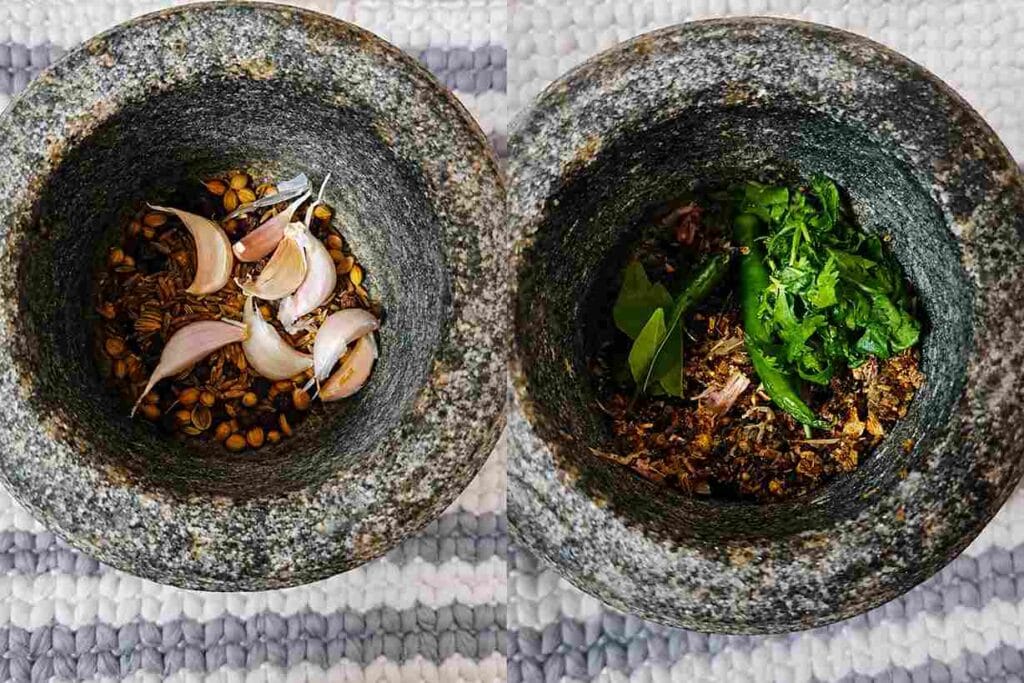
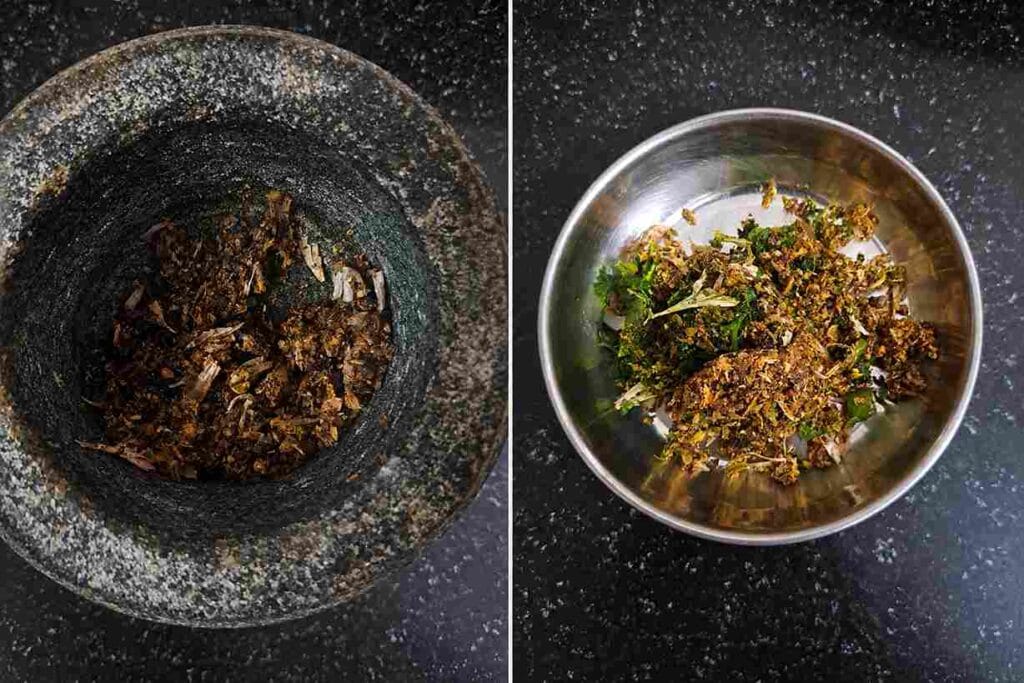
- Add pepper, cumin seeds, and coriander seeds to a stone mortar and crush them roughly to release their natural aroma.
- Then add garlic cloves, green chilli, curry leaves, and coriander leaves. Gently crush everything together until the mixture looks coarse and flavorful.
- Avoid making it into a smooth paste, as the slightly crushed texture gives the pepper garlic rasam a more authentic homemade taste.
Step 2: Prepare The Crushed Rasam Mixture
- Once the spices and herbs are crushed well, transfer the coarse pepper garlic rasam mixture to a bowl and keep it aside.
Note : (The freshly crushed garlic, pepper, and cumin add a strong aroma and give the milagu rasam its traditional rustic flavor.)
Step 3: Temper And Saute The Mixture
- Heat matters here. Too hot, and the garlic burns. Too cool, and the spices don’t release their fragrance.
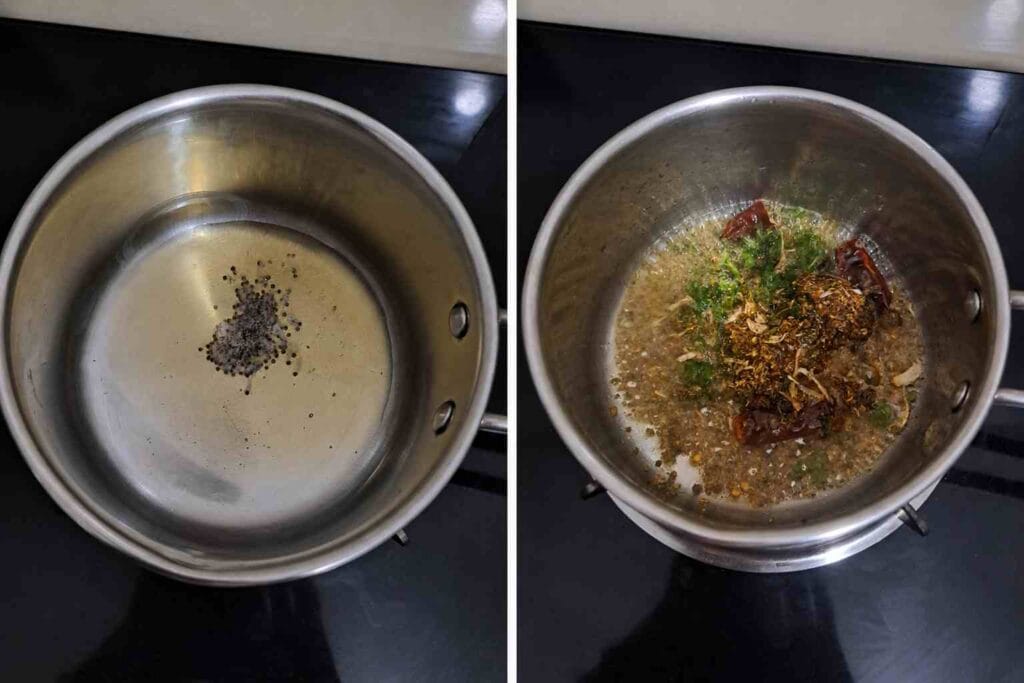
- Heat 1 tbsp gingelly oil in a heavy-bottomed pan (or pot) on keep inmedium heat.
- Once the oil is hot, add the ½ tbsp mustard seeds. You’ll hear them pop and crackle. Let them splutter for about 15 seconds.
- Immediately add the 2 dry red chillies (if using). Stir for 3 seconds.
- Add the entire crushed rasam mixture grounded . Stir continuously on low to medium-low heat for about 1 minute.(whenever am adding this mixture i keep it in a low flame 2-3times the mixture got burnt)
Step 4: Add Tomato And Spices
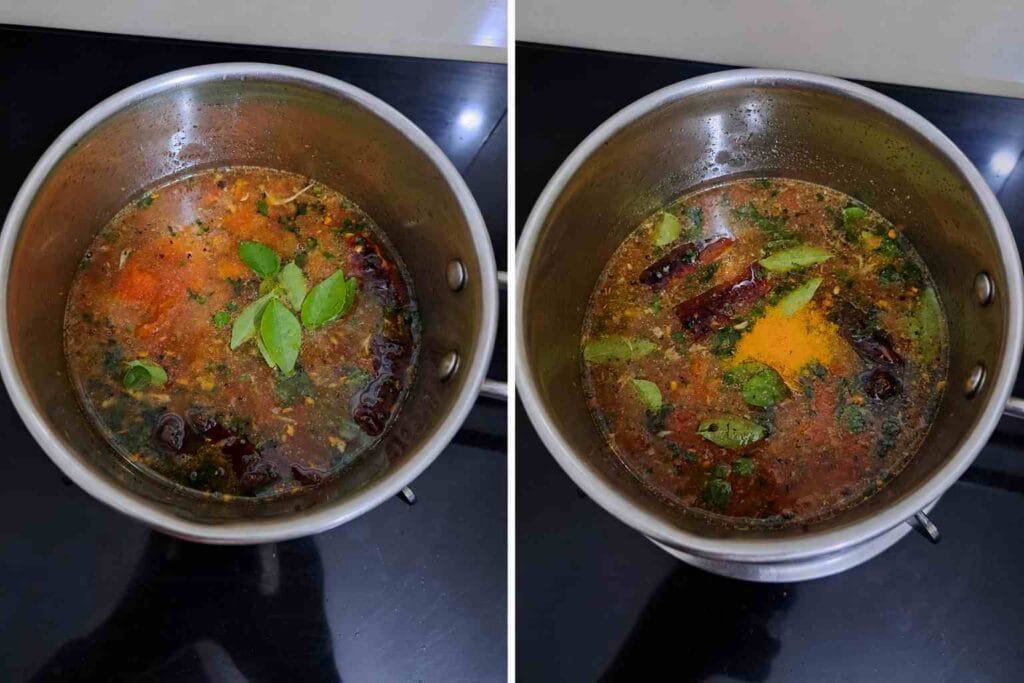
- Pour 2.5 cups of water into the pan. Add the roughly sliced tomato, few curry leaves, ¼ tsp turmeric powder, ¼ tsp hing powder, and salt to taste (start with ½ tsp, adjust later).
- Stir well and bring to a gentle boil (medium heat, not a rolling boil).
- Let it boil for 3–4 minutes until the tomato pieces become soft and start breaking down. The rasam will smell increasingly flavorful as the ingredients meld.
Step 5: Add Tamarind Extract And Finish The Rasam
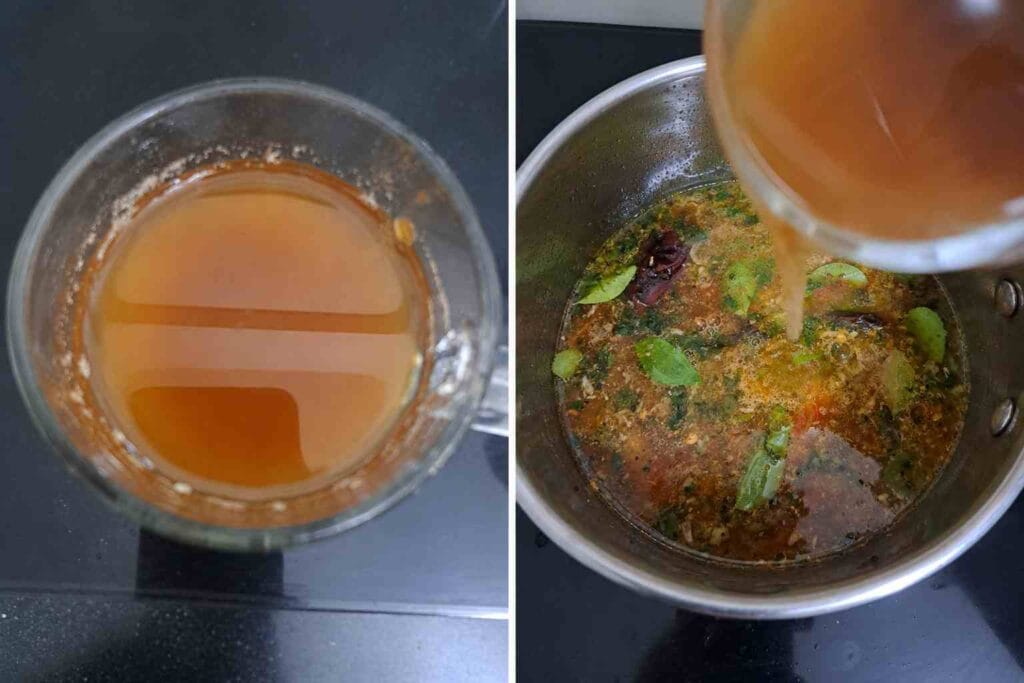
- Pour the prepared tamarind extract into the rasam. Stir well. Do NOT allow the rasam to come to a strong rolling boil after adding tamarind. Instead, let it simmer on low to medium heat for about 1–2 minutes. Watch for small frothy bubbles appearing on the surface. The moment you see them and the rasam looks slightly foamy, turn off the heat immediately.
Note You should have about ¾ cup of thin, tangy tamarind extract. If using tamarind paste, mix 2 tbsp with ¾ cup water and stir well.
Step 6: Serve Hot And Enjoy
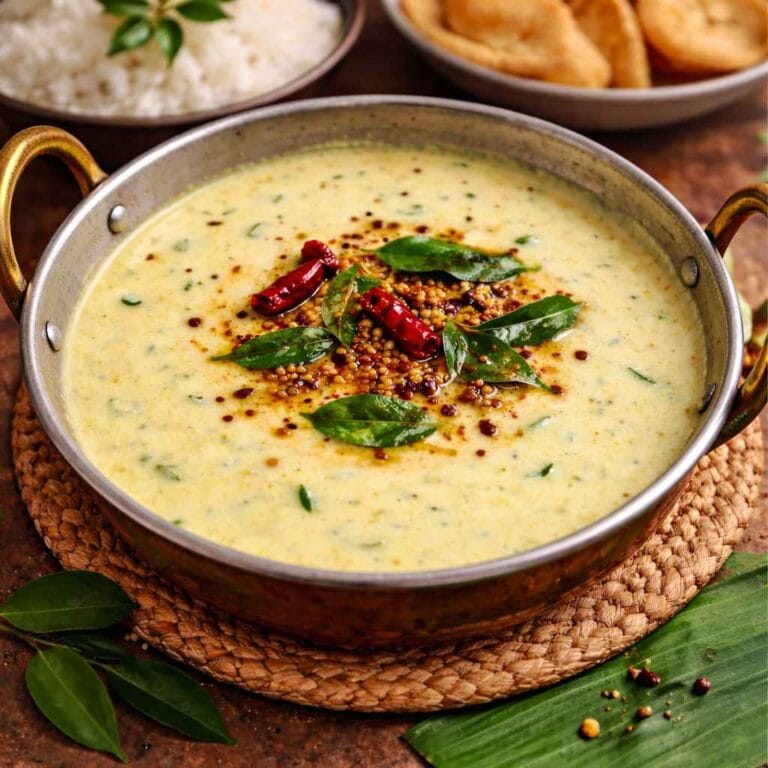
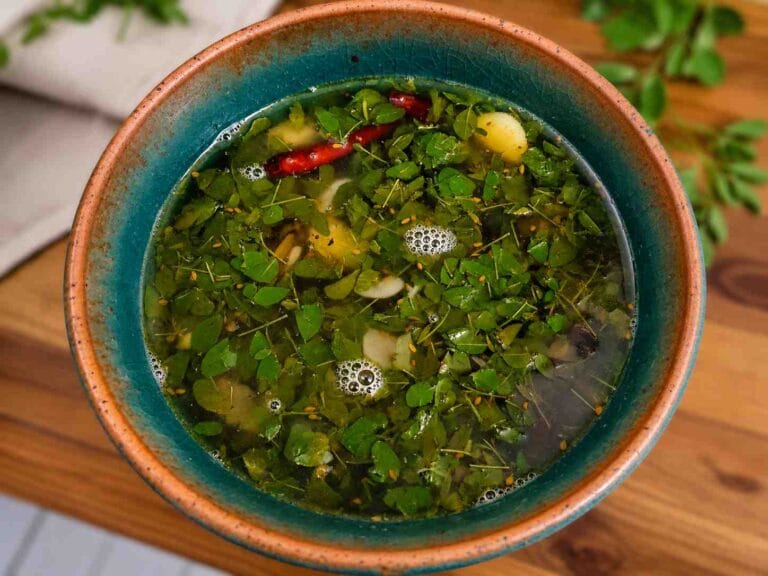
- Your homemade pepper garlic milagu rasam is now ready to serve. The rasam should look slightly frothy on top with the fresh aroma of pepper, garlic, cumin, and coriander leaves.
- Serve it hot with steamed rice and a little ghee for a comforting meal.
- You can also enjoy this milagu rasam like a warm soup during rainy days or whenever you want something light and soothing for the stomach.
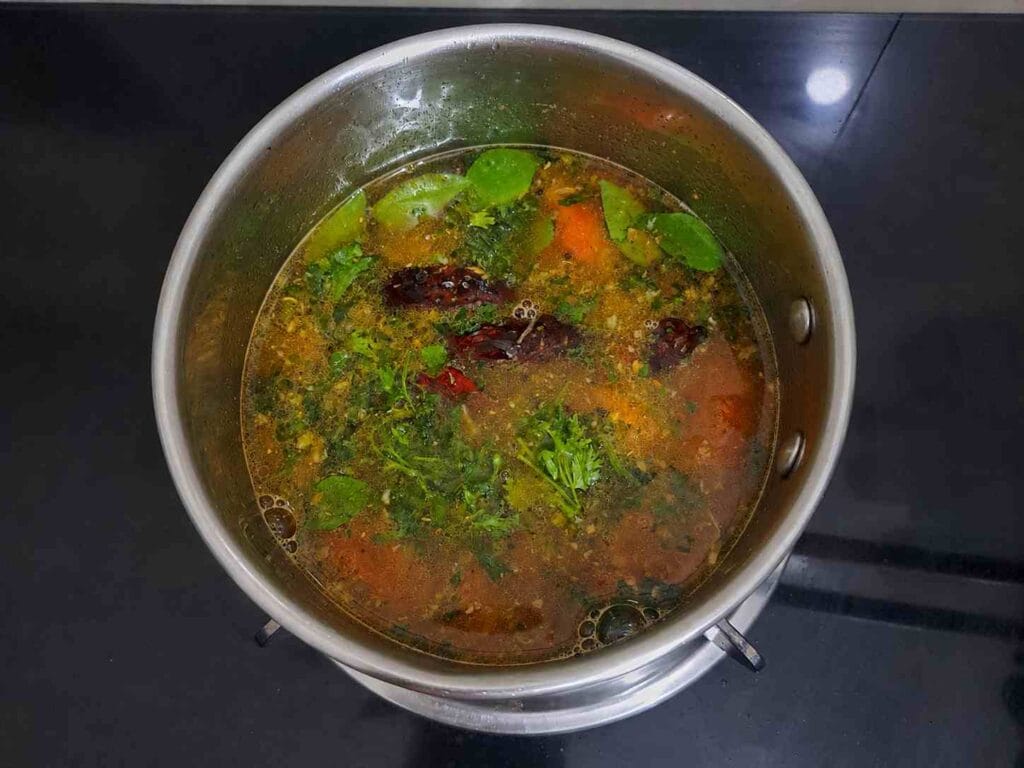
This pepper garlic rasam tastes even better with simple side dishes like 15 minute kovakkai varuval or potato-based curries.
Tips And Variations
- Always crush the spices roughly instead of grinding them into a smooth paste for a more traditional homemade rasam flavor.
- Using a stone mortar gives better aroma and taste compared to mixer grinding.
- Do not boil the rasam aggressively after adding tamarind extract, as it can reduce the fresh flavor and aroma.
- Freshly crushed pepper and cumin make the rasam more flavorful and comforting.
- You can adjust the pepper quantity depending on how spicy you prefer the rasam.
- For extra garlic flavor, lightly crush a few additional garlic cloves and add them while boiling.
- Gingelly oil gives an authentic South Indian taste, but you can also use ghee for a richer flavor.
- If you like slightly thin rasam for drinking, add a little extra hot water and adjust salt accordingly.
- A small piece of jaggery can be added if you prefer a mild balance to the tangy tamarind flavor.
- This milagu rasam tastes best when served hot with steamed rice and papad.
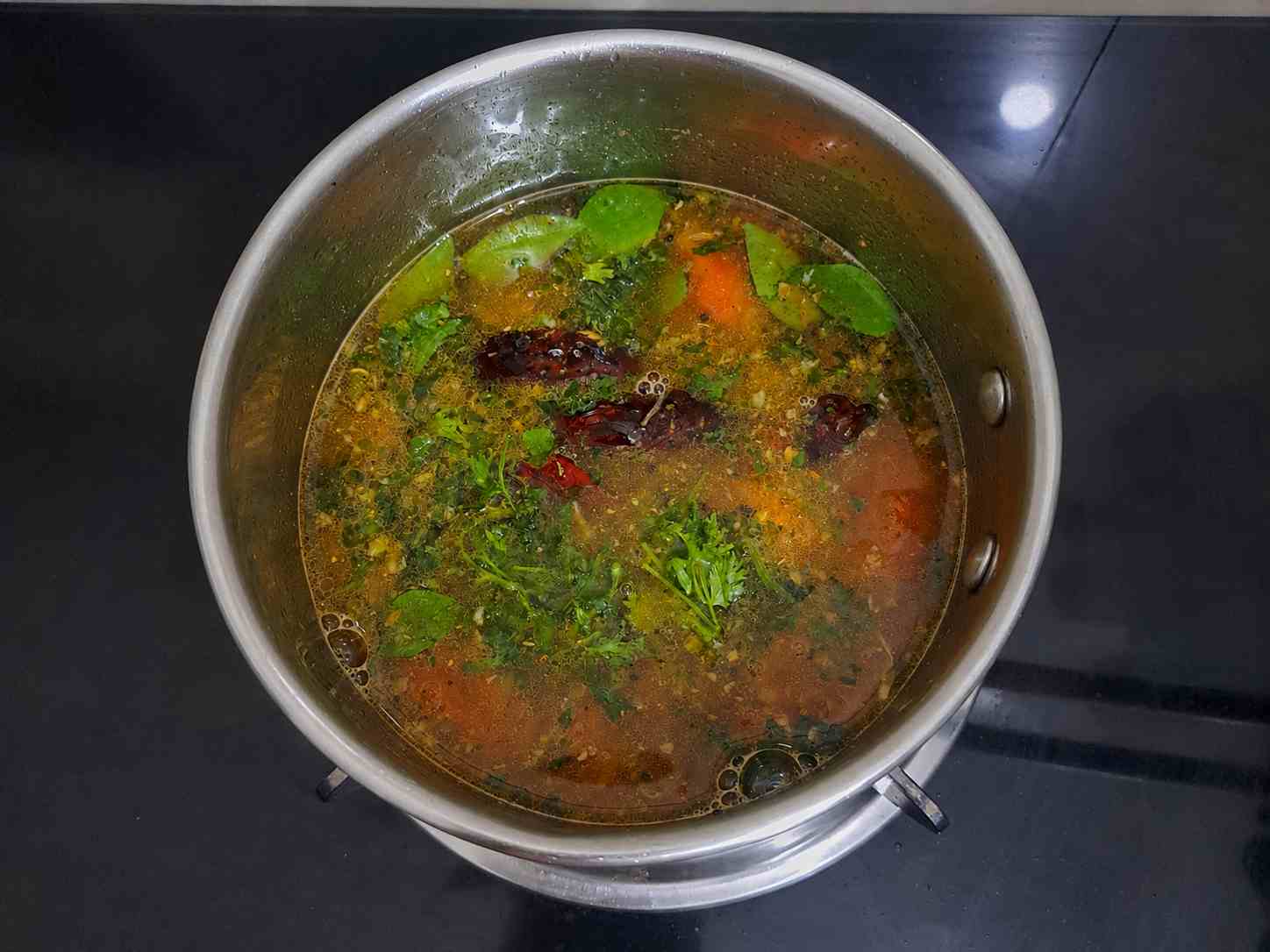
Pepper Garlic Rasam Recipe | Homemade Milagu Rasam
Ingredients
Method
- Soak tamarind in warm water for a few minutes and extract the juice. Keep it aside.
- In a stone mortar, add pepper, cumin seeds, and coriander seeds. Crush them roughly. Add garlic, green chilli, curry leaves, and coriander leaves. Crush again gently until coarse and aromatic.
- Heat gingelly oil in a pan. Add mustard seeds and allow them to splutter. Add dry red chillies and the crushed spice mixture. Saute gently for about 1 minute on low flame.
- Add water, sliced tomato, curry leaves, turmeric powder, hing, and salt. Allow it to boil until the tomatoes turn soft and flavorful.
- Pour the prepared tamarind extract into the rasam and mix well. Do not allow it to reach a strong rolling boil after adding tamarind.
- Once frothy bubbles start appearing on top, switch off the flame. Garnish with coriander leaves and serve hot with rice.
Notes
- Avoid over boiling after adding tamarind extract.
- Coarsely crushed spices give better traditional flavor.
- Adjust pepper quantity based on spice preference.
- Rasam tastes best when served hot.
Best Ways to Serve Pepper Garlic Rasam
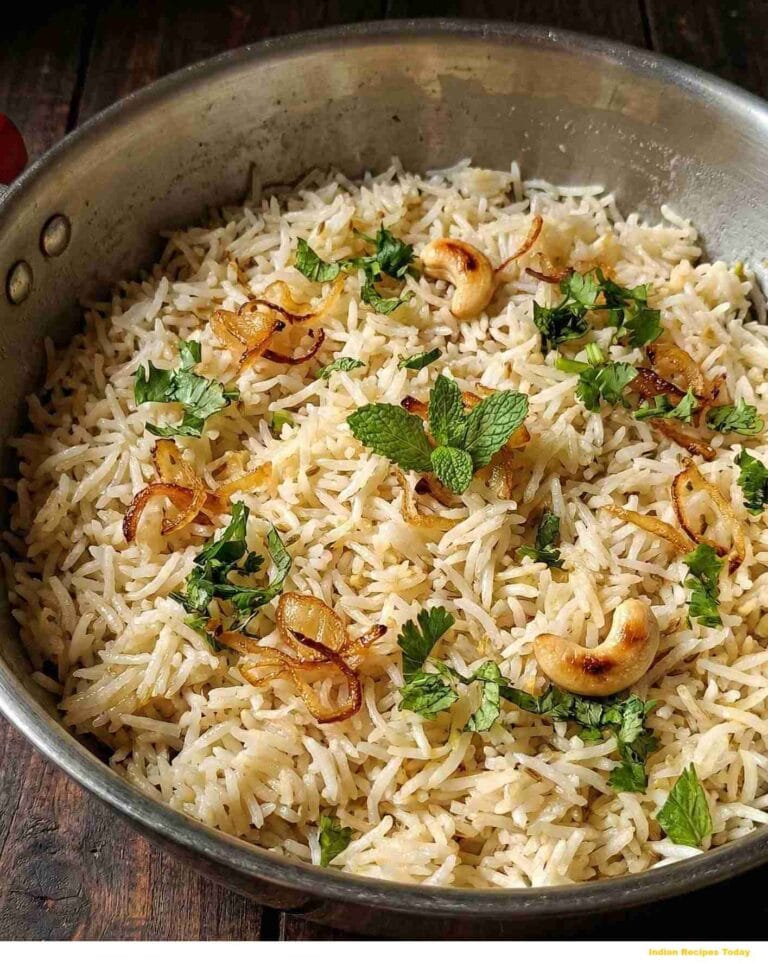
Traditional South Indian Lunch Serve hot with steamed white rice, a small dollop of ghee, and crispy papad. Mix together and eat. This is the classic combination that’s been made for generations.
If you love traditional Tamil-style recipes, you may also enjoy this spicy and flavorful Sankara meen kulambu recipe.
With Vegetable Sides Pair with a simple poriyal (stir-fry) like Vendakkai fry(Okra fry) , carrot-bean fry, or drumstick leaves fry. The rasam’s tanginess complements the mild vegetables.
As a Warm Drink Skip the rice and drink rasam straight from a bowl like soup on rainy days or when your stomach feels off. It’s soothing and light.
After a Heavy Meal This is the original purpose. A small bowl of hot pepper garlic rasam aids digestion and settles the stomach after rich foods.
During Cold Season The warmth from black pepper and garlic helps fight colds. Many families make rasam when someone’s under the weather.
With Appalam or Roasted Papad The crispy papad’s texture contrasts beautifully with the hot, tangy rasam.
FAQ’s for simple milagu rasam recipe
Which oil is best for making milagu rasam?
Gingelly oil gives the most authentic homemade South Indian flavor, but you can also use ghee for a richer taste.
Why does restaurant-style rasam taste different from homemade rasam?
Restaurant rasam is usually thinner and often made using prepared rasam powder for consistency. Homemade milagu rasam has a fresher aroma because the spices are crushed fresh, which gives a stronger pepper and garlic flavor.
What makes milagu rasam spicy?
The heat mainly comes from black pepper rather than red chilli powder. Pepper gives a warm spicy flavor that feels different from regular chilli-based spice.
Can I use mixer grinder instead of stone mortar?
Yes, you can use a mixer jar in pulse mode, but avoid grinding into a smooth paste. Slightly coarse spices give better texture and traditional flavor to the rasam.
Why is my rasam tasting too sour?
This usually happens when too much tamarind is added or the tamarind extract is too thick. Adding a little hot water can help balance the flavor.
How do I know when the rasam is perfectly cooked?
Rasam is ready when it becomes aromatic and frothy bubbles appear on top. That stage gives the best flavor and prevents overcooking.
If you try this pepper garlic rasam recipe, do share your experience in the comments below. I would love to know how it turned out for you and if you made any variations at home. Also, don’t forget to subscribe to our newsletter for more traditional South Indian recipes, simple homemade cooking ideas, and easy beginner-friendly recipes delivered straight to your inbox.
Enjoyyyyyyy Cooking