Puliyodharai Recipe (Puli Sadam) | Easy Tamarind Rice with Homemade Powder
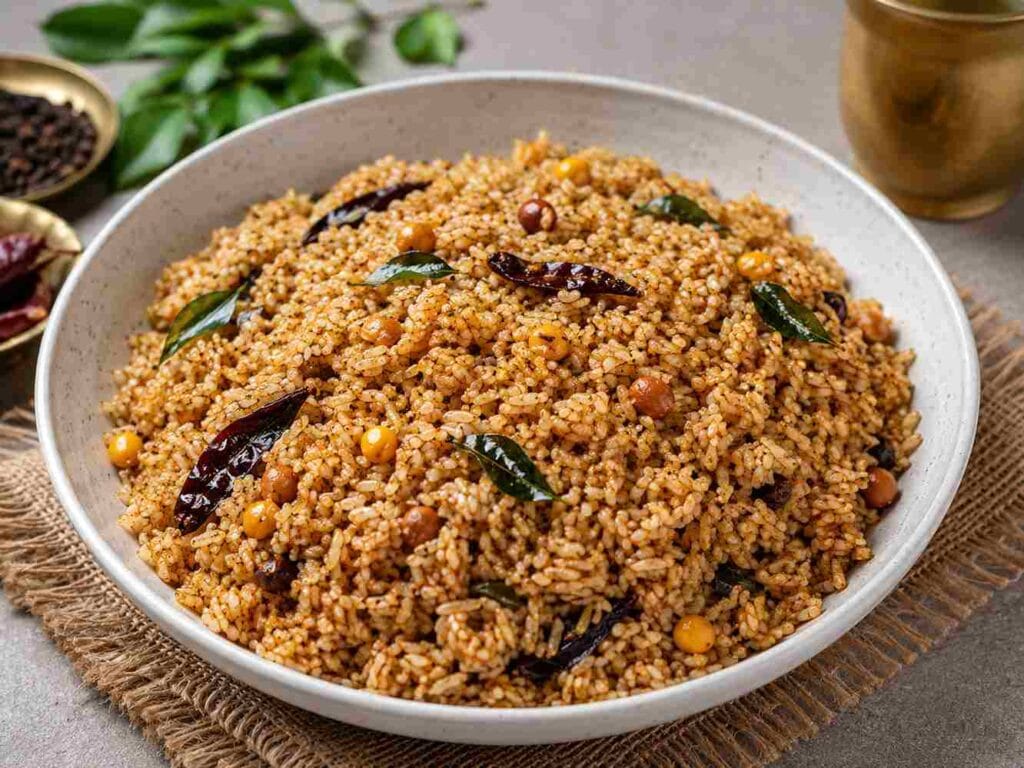
Looking for an authentic Puliyodharai Recipe? This traditional Tamil Nadu Tamarind Rice Recipe is prepared with homemade Puliyodharai powder and leftover rice, bringing you a delicious taste that’s close to Kovil Style Puliyodharai.
Puliyodharai, also known as Tamarind Rice or Puli Sadam, is one of the most loved traditional dishes in Tamil Nadu. More than just a rice recipe, Puliyodharai is considered a sacred prasadam in many temples across the state. Even today, many people visit temples and eagerly wait to enjoy this flavorful prasadam.
In almost every Tamil household, Puliyodharai finds a place on the menu at least once or twice a month. It is a popular choice for lunch boxes, travel meals, and festive occasions because it stays fresh for long hours and tastes even better after resting for some time.
Although Puliyodharai is commonly prepared at home, many of us often wonder why we cannot recreate the exact kovil-style taste. I am one among them! Even after preparing this recipe several times, I still feel that recreating the authentic temple flavor at home is challenging. However, with a few simple ingredients and a homemade Puliyodharai powder, I was able to come close to that traditional taste.
While some recipes use a long list of ingredients, I prefer making this Puliyodharai with a handful of pantry staples that are easily available in every kitchen. If you have been looking for a simple homemade version that brings you closer to the comforting taste of kovil-style Puliyodharai, then this recipe is for you. This recipe is made using leftover rice, making it a delicious and practical way to transform leftover rice into a flavorful South Indian meal.
What is Puliyodharai?
Puliyodharai is a traditional Tamil Nadu tamarind rice recipe made by combining cooked rice with a flavorful tamarind-based spice mixture and homemade Puliyodharai powder. This popular South Indian dish is widely served as temple prasadam and enjoyed as a lunch box meal.
Why You’ll Love This Puliyodharai
- Made with simple pantry ingredients.
- Uses leftover rice.
- Authentic Tamil-style flavors.
- Perfect for lunch boxes and travel.
- Stays fresh for hours.
- Includes homemade Puliyodharai powder.
Health Benefits of Tamarind
Tamarind is not only known for its tangy flavor but also offers several health benefits when consumed in moderation.
- Rich in antioxidants: Tamarind contains natural antioxidants that help protect the body from oxidative stress.
- Supports digestion: Tamarind has traditionally been used to aid digestion and promote gut health.
- Good source of nutrients: It contains essential minerals such as potassium, magnesium, and iron.
- May boost immunity: Tamarind provides vitamins and plant compounds that support overall immune health and wellness.
- Naturally refreshing: The tangy taste of tamarind makes it a refreshing ingredient, especially during hot weather.
While tamarind offers several health benefits, it is best enjoyed as part of a balanced diet.
For more information about the health benefits of tamarind, read here
Ingredients Needed to Make Puliyodharai Recipe
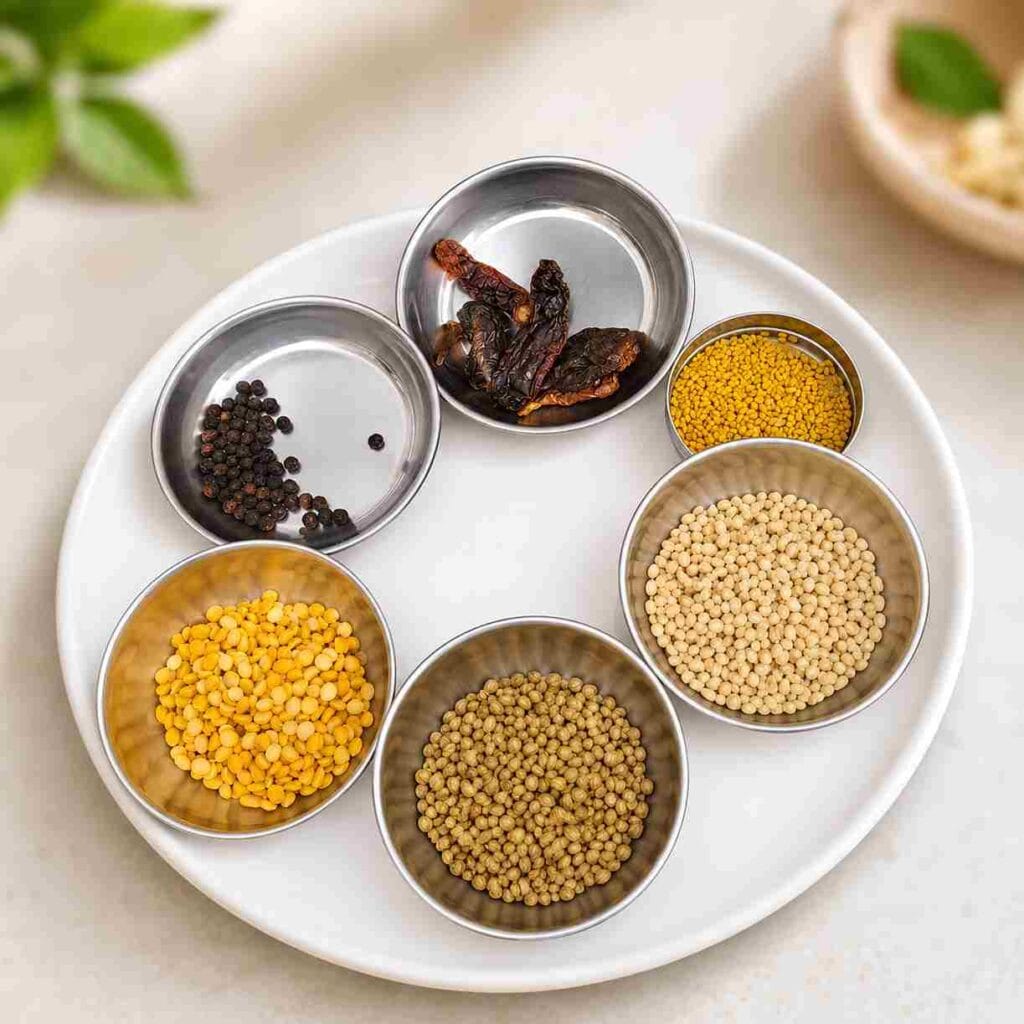
This homemade Puliyodharai recipe uses simple pantry staples that are commonly available in most Indian kitchens. The freshly prepared Puliyodharai powder adds a wonderful aroma and gives the rice its authentic homemade flavor.
Ingredients for Puliyodharai Powder
- Channa Dal – 2 tablespoons
- Urad Dal – 2 tablespoons
- Coriander Seeds – 1½ tablespoons
- White Sesame Seeds – ½ tablespoon
- Dry Red Chillies – 3
- Black Peppercorns – ½ tablespoon
- Asafoetida (Hing) – a pinch
Ingredients for Tamarind Paste and Tempering
- Oil – 3 tablespoons (preferably gingelly oil)
- Mustard Seeds – 1 teaspoon
- Channa Dal – ½ tablespoon
- Urad Dal – ½ tablespoon
- Roasted Peanuts – 2 tablespoons
- Dry Red Chillies – 3, broken
- Curry Leaves – 1 sprig
- Tamarind – one big lemon-sized ball (approximately 25 grams)
- Water – ½ cup
- Salt – to taste
Other Ingredients
- Cooked Rice or Leftover Rice – 3 cups
If you enjoy making variety rice recipes with leftover rice, be sure to try this easy and refreshing Lemon Rice Recipe.
How to Make Puliyodharai Powder (Step-by-Step)
Step 1: Roast Channa Dal and Urad Dal
Heat a pan over medium flame and add channa dal and urad dal. Dry roast them until they turn aromatic and light golden in color. Stir continuously to ensure even roasting.
Step 2: Add Coriander Seeds, Red Chillies, and Pepper
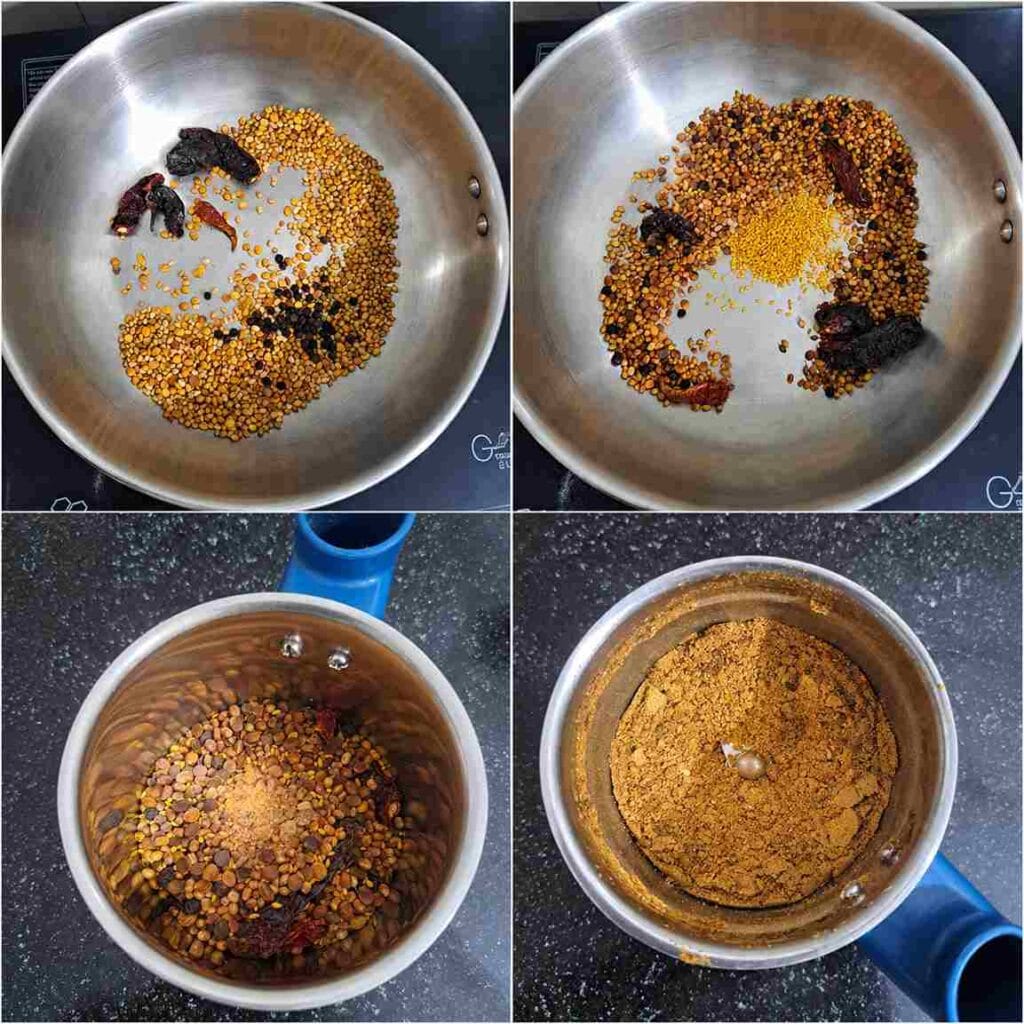
Next, add coriander seeds, dry red chillies, and black peppercorns to the pan. Continue roasting for 2 to 3 minutes until the coriander seeds become aromatic. Make sure not to over-roast the spices, as this can affect the flavor of the powder.
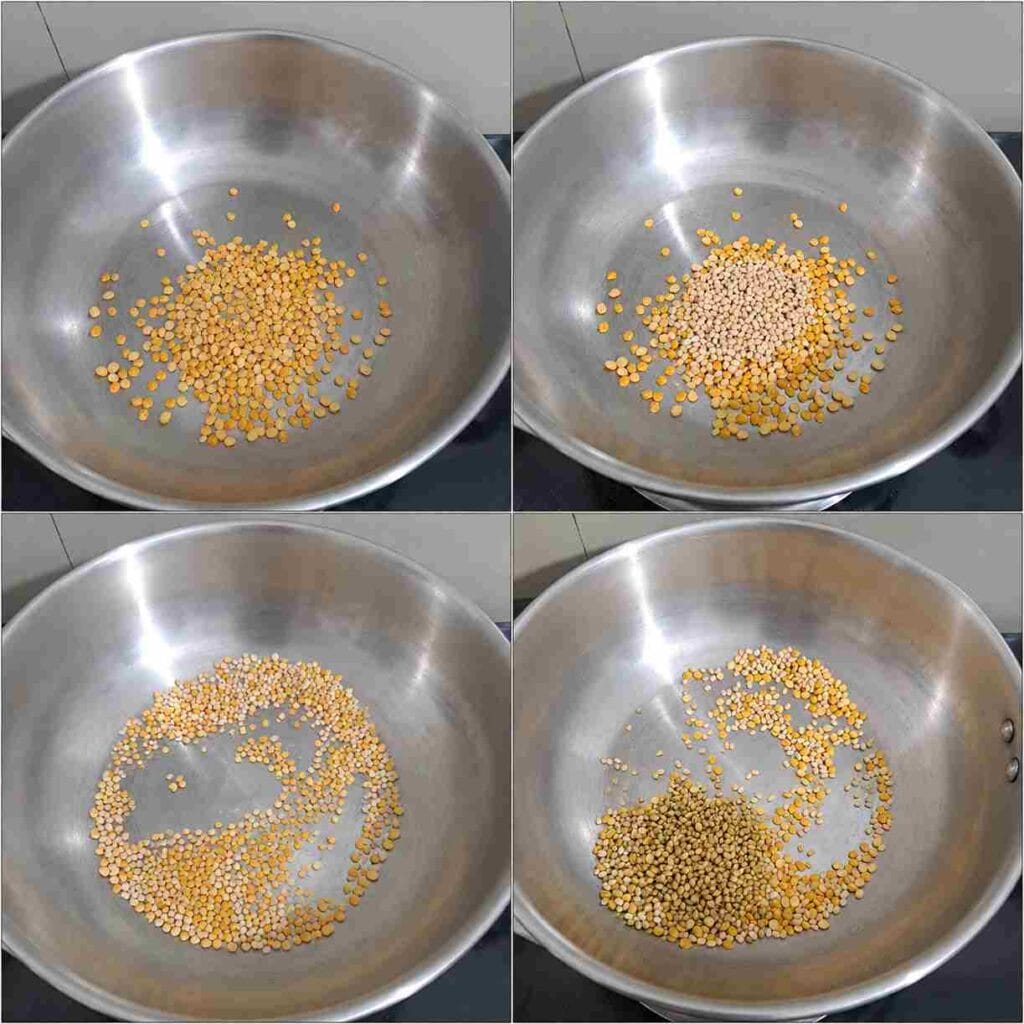
Step 3: Add Sesame Seeds
Turn off the flame and add sesame seeds to the hot pan. The residual heat is enough to roast the sesame seeds. Roast for another 1 to 2 minutes. I used already roasted sesame seeds, so I added them at the end.
Step 4: Cool and Grind
Transfer the roasted ingredients to a plate and allow them to cool completely. Add a pinch of asafoetida (hing) and grind everything into a slightly coarse or fine powder based on your preference.
Your homemade Puliyodharai powder is now ready to use.
Note: Avoid over-roasting the spices while preparing Puliyodharai powder, as it can make the powder bitter and alter the traditional flavor.
How to Make Pulikaichal for Puliyodharai (Step-by-Step)
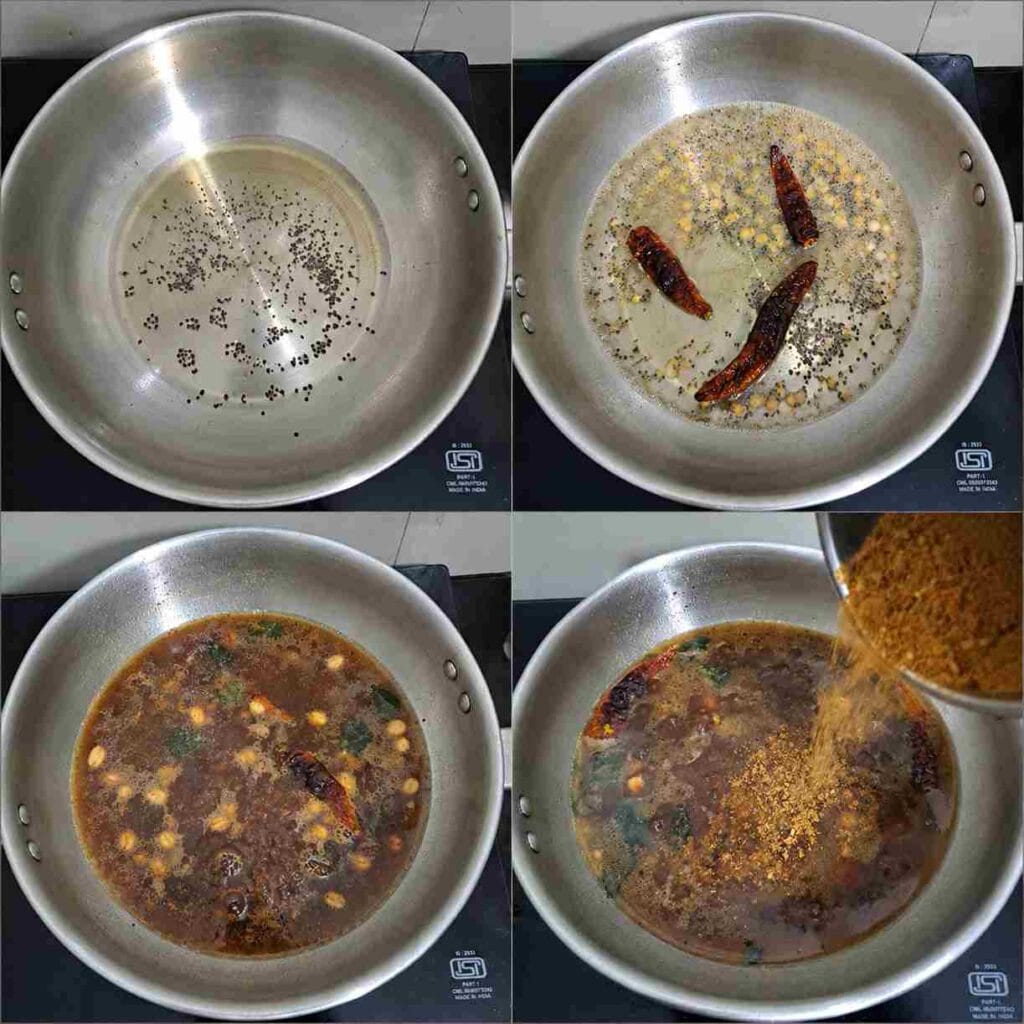
Step 1: Prepare the Tempering
Heat oil in a wide pan. Once the oil is hot, add mustard seeds and allow them to splutter. Add channa dal, urad dal, roasted peanuts, broken dry red chillies, and curry leaves. Saute for 1 to 2 minutes until aromatic.
Step 2: Add Tamarind Extract
Pour the prepared tamarind extract into the pan and mix well. Allow the mixture to boil on medium flame for a few minutes so that the raw smell of tamarind disappears.
Step 3: Add the Puliyodharai Powder
Once the tamarind mixture starts boiling, add the freshly prepared Puliyodharai powder and mix well. Stir continuously to avoid lumps.
Step 4: Cook Until Thick
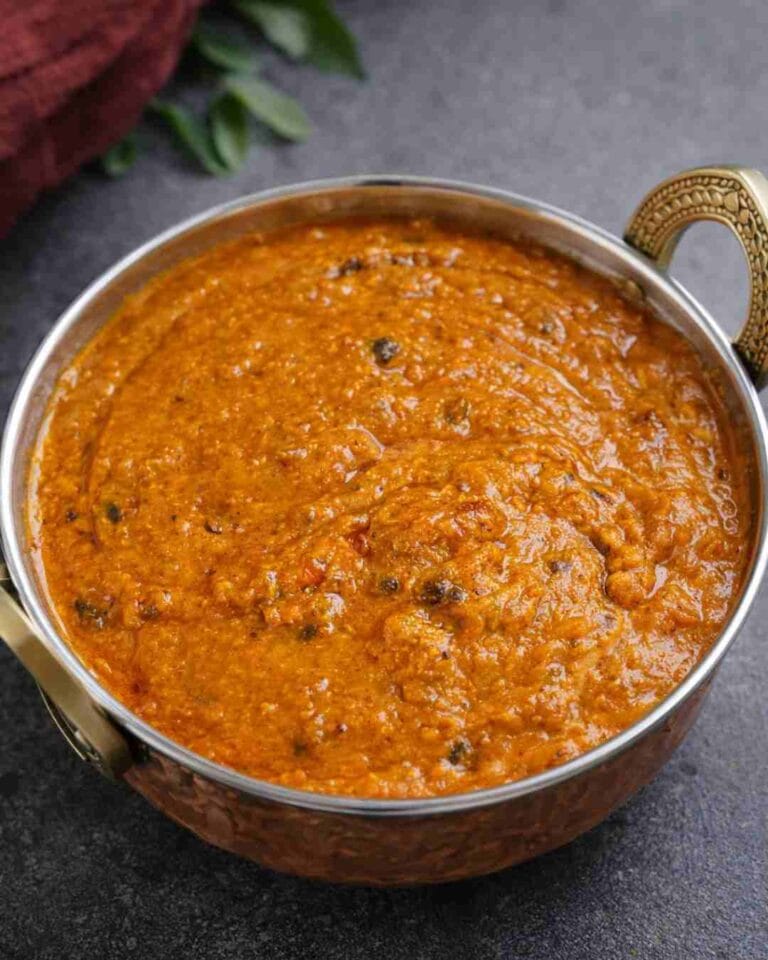
Continue cooking the mixture on medium flame, stirring occasionally, until the tamarind paste thickens and oil begins to separate at the edges. This flavorful tamarind mixture is called Pulikaichal.
The homemade Pulikaichal is now ready to be mixed with rice.
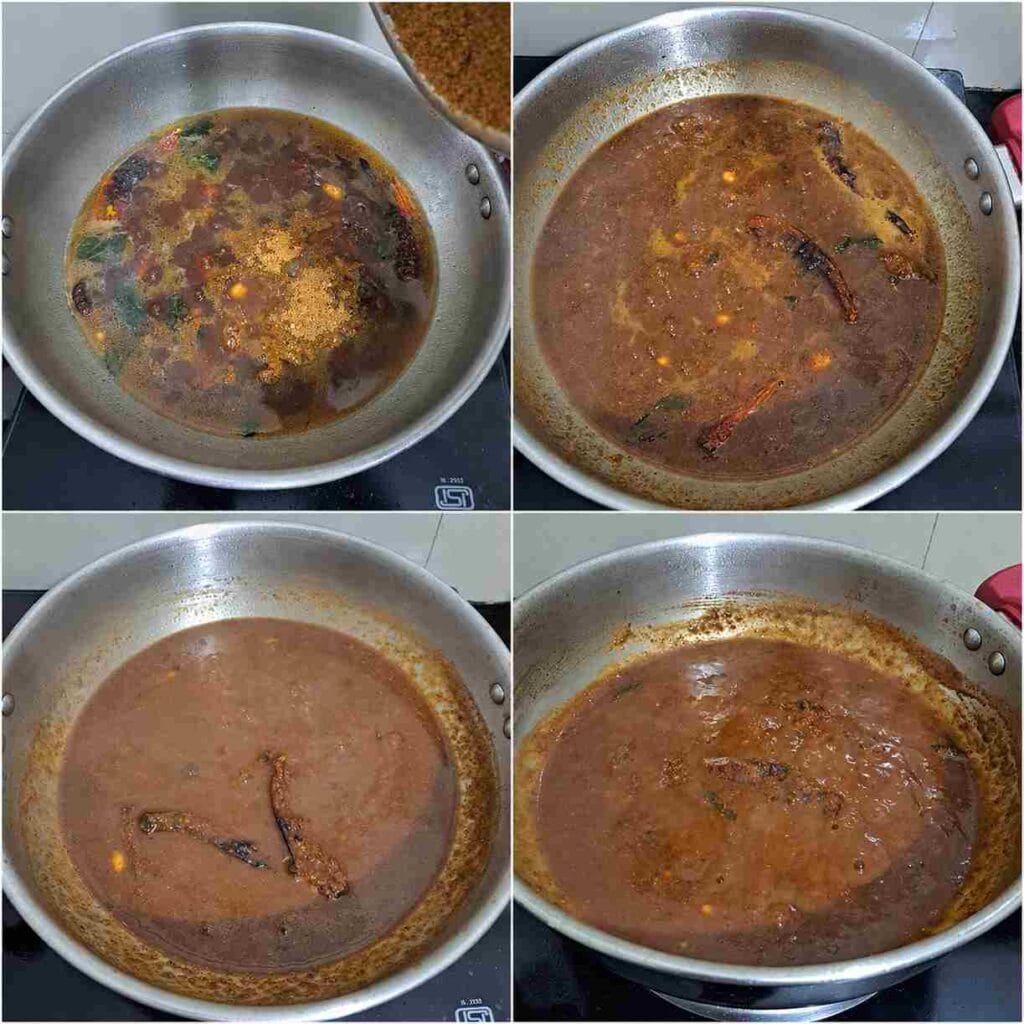
Pro Tip: If you want to store Pulikaichal for later use, add a little extra oil while cooking. The final consistency is reached when the paste thickens and oil begins to separate from the sides. This helps preserve the paste and enhances its flavor.
How to Make Puliyodharai Recipe with Leftover Rice (Step-by-Step)
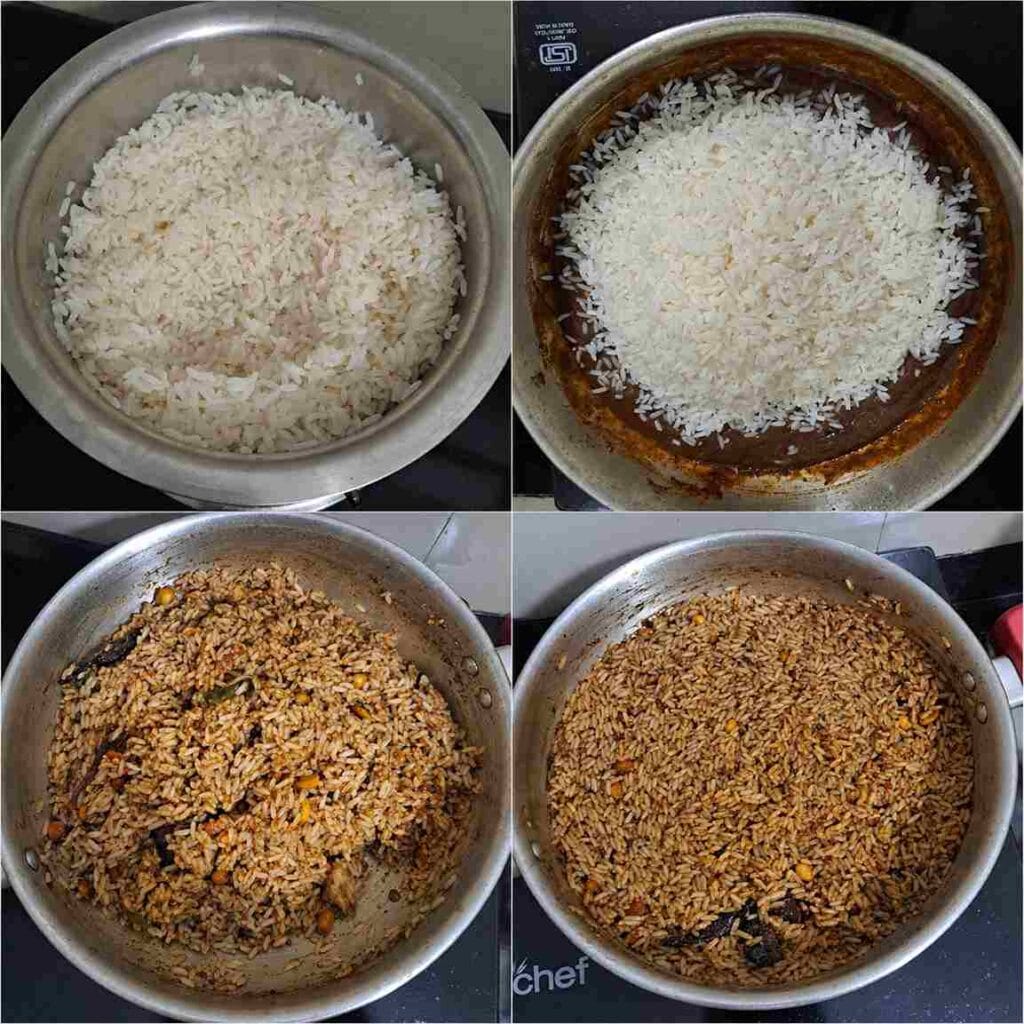
Step 1: Add Cooked Rice
Once the Pulikaichal has thickened, add the cooked or leftover rice to the pan. I used leftover rice for this recipe.
Step 2: Mix Gently
Add salt to taste and gently mix the rice with the Pulikaichal until every grain is evenly coated with the tamarind mixture. Mix carefully to prevent the rice grains from breaking.
Step 3: Rest and Serve
Allow the Puliyodharai to rest for 10 to 15 minutes before serving. This resting time helps the rice absorb the flavors well and enhances the overall taste.
Serve warm or at room temperature and enjoy your homemade Tamil-style Puliyodharai.
Pair this tangy Puliyodharai with crispy sides like Crispy Nethili Fry or spicy Dried Prawn Sambal for a satisfying meal.
Expert Tips for Making Kovil Style Puliyodharai Recipe
- Roast the spices on medium flame and avoid over-roasting, as it can make the powder bitter.
- Gingelly oil (sesame oil) gives Puliyodharai an authentic traditional flavor.
- Use cooled cooked rice or leftover rice for best results, as freshly cooked hot rice may become mushy.
- Allow the Pulikaichal to thicken properly before mixing it with rice.
- Let the Puliyodharai rest for at least 10 to 15 minutes before serving so that the flavors blend well.
- Adjust the quantity of Puliyodharai powder according to your preferred spice level.
- Puliyodharai often tastes even better after a few hours as the flavors continue to develop.
Serving Suggestions
Puliyodharai tastes delicious on its own, but you can also serve it with a few simple side dishes to make it a complete meal.
- Appalam or Papad for a crispy accompaniment.
- Potato Fry or Urulai Roast for a comforting South Indian meal.
- Vendakkai fry
- Vadagam or Fryums for extra crunch.
- Egg Omlete or roasted egg
Puliyodharai is also an excellent choice for lunch boxes, travel meals, picnics, and festive occasions as it stays fresh for several hours.
Serve Puliyodharai with crispy appalam, Kovakkai Varuval, or a comforting bowl of rasam for a complete South Indian meal.”
Storage Suggestions
Store leftover Puliyodharai in an airtight container in the refrigerator for up to 2 days.
If you plan to store only the Pulikaichal paste, add a little extra oil while preparing it. Cook the paste until it thickens well and the oil starts separating from the sides. This is the ideal consistency for storing Pulikaichal and helps extend its shelf life.
Store the cooled Pulikaichal in a clean, airtight container in the refrigerator and always use a dry spoon while serving.
FAQs for Puli Sadam Recipe
Can I make Puliyodharai with leftover rice?
Yes, leftover rice works perfectly for making Puliyodharai. Since the rice grains are already cooled, they remain separate and absorb the tamarind flavors well without becoming mushy.
Which oil is best for making Puliyodharai?
Gingelly oil (sesame oil) is traditionally used for making Puliyodharai as it gives the dish its authentic South Indian flavor and aroma.
How long can I store Puliyodharai?
Puliyodharai can be stored in an airtight container in the refrigerator for up to 2 days. Allow it to come to room temperature before serving.
Why is my Puliyodharai bitter?
Puliyodharai may turn bitter if the spices are over-roasted while preparing the powder or if the tamarind paste is cooked on high heat for too long.
How do I get temple-style Puliyodharai taste at home?
Using gingelly oil, freshly prepared Puliyodharai powder, and allowing the rice to rest after mixing can help achieve a flavor close to traditional kovil-style Puliyodharai.
What is the difference between Puliyodharai and Puliyogare?
Puliyodharai is the Tamil Nadu version of tamarind rice, while Puliyogare is commonly prepared in Karnataka. Both recipes use tamarind and spices, but the ingredients and flavor profile may vary slightly.
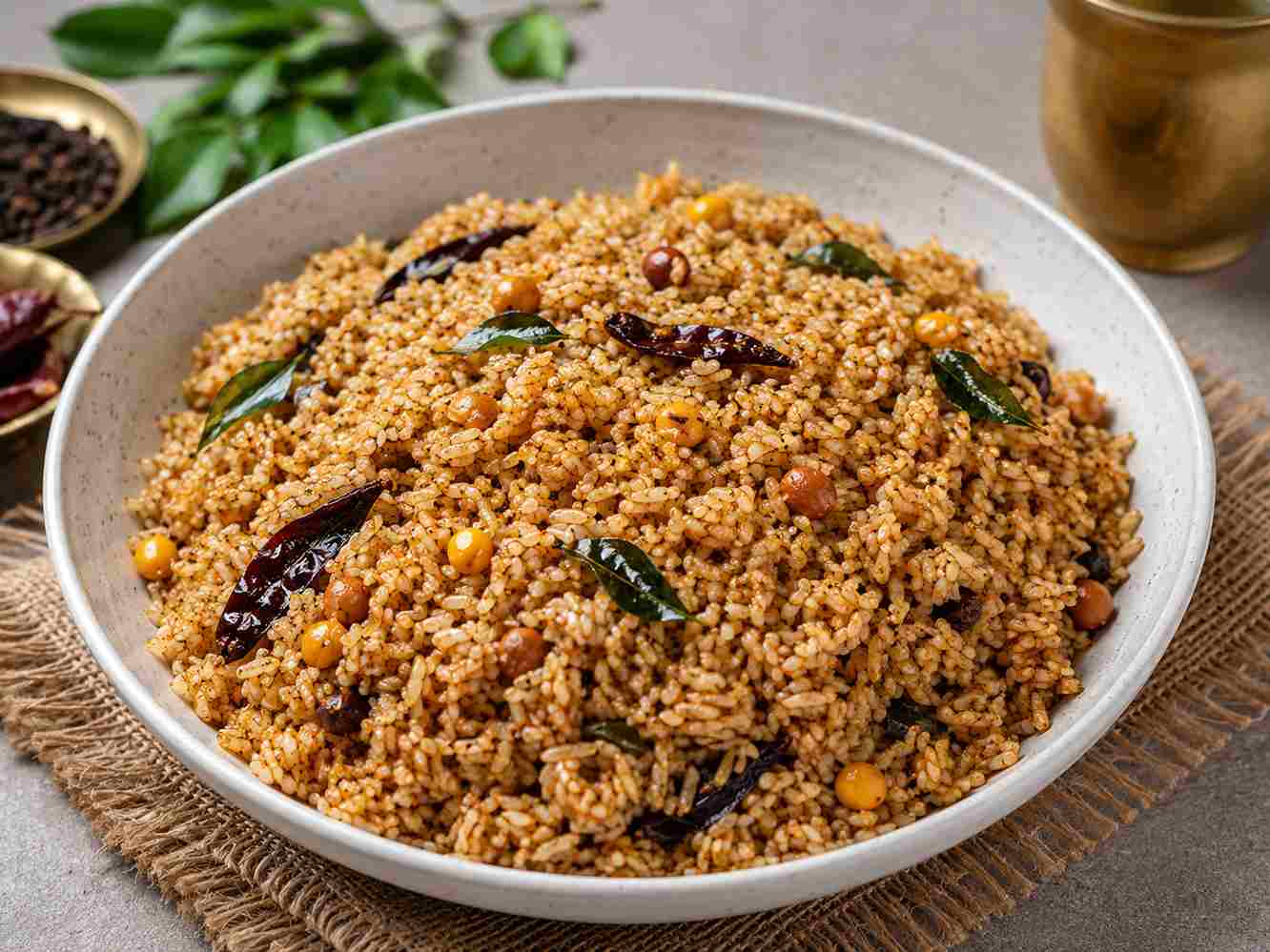
Puliyodharai Recipe | Easy Tamil Style Tamarind Rice
Ingredients
Equipment
Method
- Heat a pan on medium flame and dry roast channa dal and urad dal until aromatic and light golden.
- Add coriander seeds, dry red chillies, and black peppercorns. Roast for 2 to 3 minutes without over-roasting.
- Turn off the flame and add sesame seeds. Allow the residual heat to roast the sesame seeds.
- Cool the roasted ingredients completely, add hing, and grind into a fine powder.
- Heat oil in a pan and splutter mustard seeds.
- Add channa dal, urad dal, roasted peanuts, broken red chillies, and curry leaves. Saute for 1 to 2 minutes.
- Pour in the tamarind extract and allow it to boil until the raw smell disappears.
- Add the prepared Puliyodharai powder and mix well.
- Cook until the mixture thickens and oil starts separating from the sides.
- Add cooked or leftover rice to the prepared Pulikaichal.
- Add salt and gently mix until every grain is evenly coated.
- Rest for 10 to 15 minutes before serving.
Notes
- Avoid over-roasting the spices, as it can make the powder bitter.
- Gingelly oil gives Puliyodharai its authentic traditional flavor.
- Leftover rice works best because the grains remain separate.
- If storing Pulikaichal, add a little extra oil and cook until oil separates from the paste.
- Puliyodharai tastes even better after resting for some time.
Tried this Puliyodharai Recipe? I’d love to hear how it turned out! Leave a comment below and share your experience. Don’t forget to subscribe to our newsletter for more traditional South Indian recipes delivered straight to your inbox. If you make this recipe, tag us on Instagram @indianrecipestoday—we’d love to see your delicious creations!
Happy Cooking! 😊