South Indian Rasam Recipes: Types, Benefits and Traditional Varieties
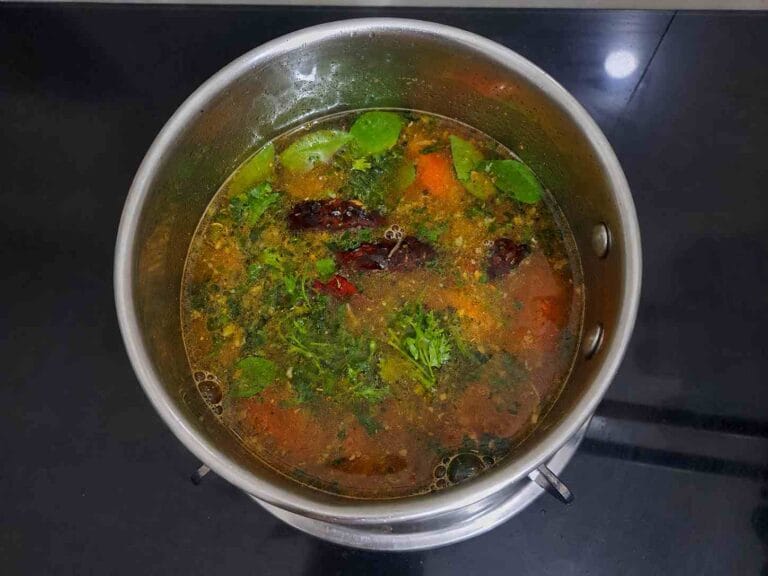
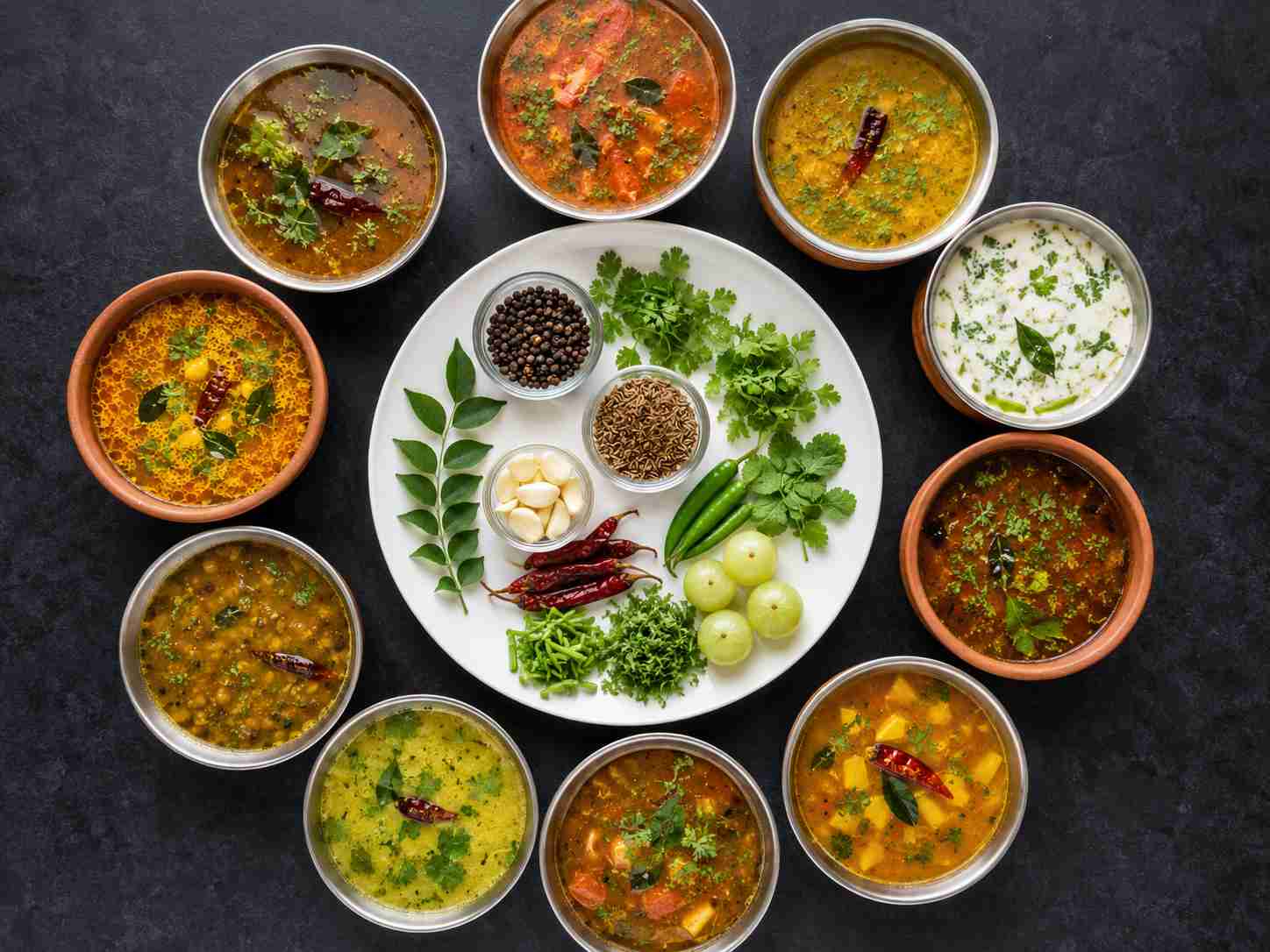
There are many different types of rasam recipes prepared in South Indian kitchens every day. Rasam is often served as a main dish with steamed rice, but it is also traditionally enjoyed as the final course after a hearty meal. Whether it is a simple vegetarian lunch or an elaborate non-vegetarian feast, a comforting bowl of rasam is almost always a part of the meal.
Its tangy, spicy, and aromatic flavors make it a favorite comfort food, especially during rainy days, cold weather, or even hot summer, whenever you crave something light and nourishing.
What makes rasam truly special is its incredible variety. From classic tomato rasam and pepper garlic rasam to refreshing mint rasam and immunity-boosting nellikai rasam, each version has its own unique taste and benefits. Some rasam recipes are prepared for everyday meals, while others are traditionally made during festivals, special occasions, or when someone in the family is feeling under the weather.
In this guide, you’ll discover different types of South Indian rasam recipes, their health benefits, essential ingredients, and traditional varieties that you can easily prepare at home. Whether you are new to rasam or looking to explore beyond the classic recipes, this collection will help you enjoy the rich flavors of this timeless South Indian dish.
What Is Rasam?
The word “rasam” means “essence” or “juice” in Sanskrit, which perfectly describes this flavorful dish. Every South Indian household has its own unique way of preparing rasam, with recipes varying from region to region and even from family to family.
From simple everyday tomato rasam to medicinal varieties like pepper rasam and garlic rasam, there are countless versions enjoyed across South India. Apart from its delicious taste, rasam is also valued for its digestive and comforting properties, making it a staple in many homes.
If you grew up in a South Indian home, chances are rasam was a regular part of your meals. This humble dish is loved for its comforting taste and simple ingredients. Made with tamarind, tomatoes, herbs, and aromatic spices, rasam is usually served with hot steamed rice, though many people also enjoy drinking it as a soothing soup.
What makes rasam truly special is that no two households make it exactly the same way. Every family has its own favorite version, whether it is a spicy pepper rasam, a tangy tomato rasam, or a nourishing garlic rasam prepared when someone catches a cold.
Over the years, many different types of rasam recipes have evolved across South India, each with its own unique flavor and health benefits. That’s what makes rasam such a timeless and cherished dish.
Health Benefits of Healthy Rasam Recipes
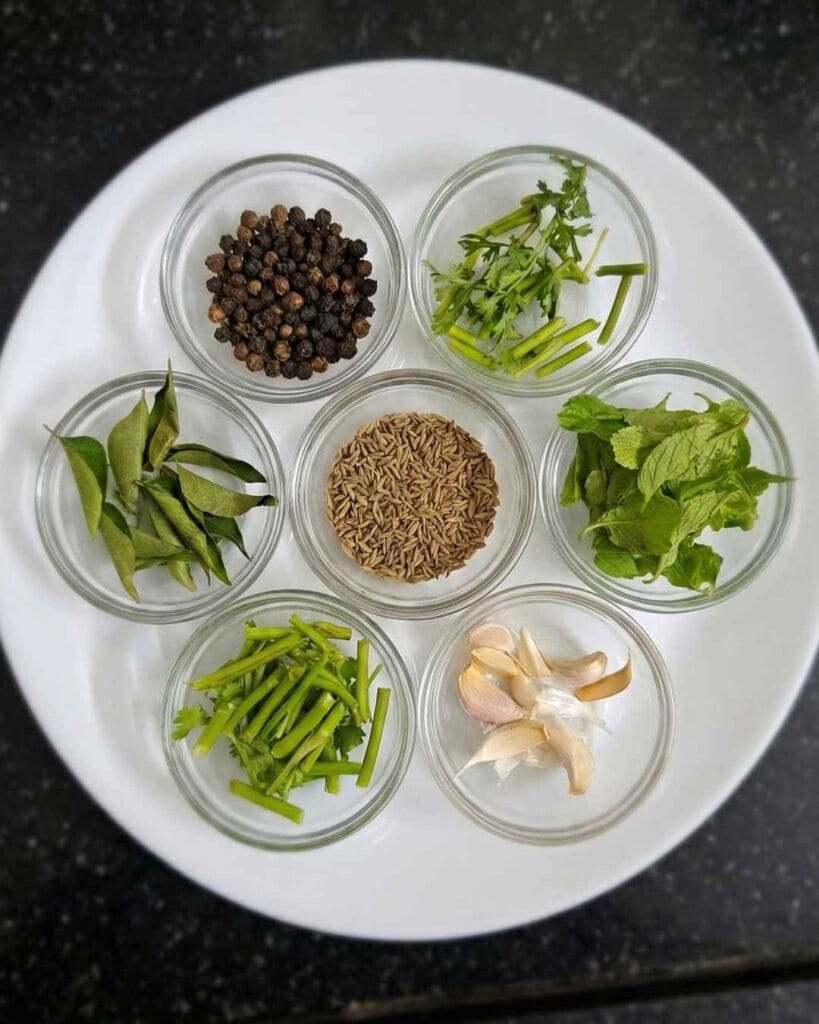
Rasam is not just delicious—it’s also packed with ingredients that have been valued in traditional South Indian cooking for generations. Made with spices such as pepper, cumin, garlic, turmeric, and herbs, rasam is often enjoyed not only for its taste but also for its comforting and nourishing qualities. Here are some of the common health benefits associated with rasam:
May Aid Digestion
Rasam is traditionally prepared with spices like cumin, pepper, and asafoetida, which are commonly used to support digestion and soothe the stomach.
Provides Comfort During Cold and Cough
Pepper and garlic rasam are popular home remedies in many South Indian households, especially during rainy and winter seasons.
Light and Easy to Digest
Unlike heavy gravies, rasam is light, flavorful, and easy on the stomach, making it a comforting choice when you want something simple.
Rich in Herbs and Spices
Ingredients such as curry leaves, coriander leaves, garlic, pepper, and turmeric add both flavor and nutritional value to rasam.
Different Types of Rasam
One of the best things about rasam is that you don’t need a lot of ingredients to prepare it. Rasam is not just a comforting meal; it is also valued for its medicinal properties. In many South Indian homes, whenever someone catches a cold or flu, a hot bowl of rasam is often the first thing served before reaching for medicines or visiting a doctor.
Whether enjoyed as a hot soup or mixed with steaming rice, rasam has always been considered a nourishing and soothing dish. Most rasam recipes are prepared using simple ingredients readily available in the kitchen, such as cumin seeds, peppercorns, garlic, coriander leaves and stems, green chillies, and tamarind.
Each of these ingredients is believed to offer its own health benefits and may help support digestion and immunity. By combining these everyday ingredients in different ways, families prepare a variety of delicious rasam recipes, each with its own unique taste and speciality.
Let’s explore some of the popular types of South Indian rasam and what makes each one special.
1.Tomato Rasam
Tomato rasam is one of those everyday dishes that brings back memories of home for many South Indians.
What makes Tomato Rasam special?
- Simple yet comforting, a bowl of tomato rasam can turn even an ordinary meal into something special.
- Has a mild tangy taste with a comforting aroma.
- Tastes incredibly delicious when served with hot steamed rice and crispy appalam.
- The combination of tomatoes and tamarind gives the rasam its signature tangy flavor.
- Freshly crushed pepper, cumin, and spices add warmth and depth of flavor.
- As the rasam gently simmers, the kitchen fills with an irresistible aroma that instantly makes everyone hungry.
2.Pepper Garlic Rasam
Pepper garlic rasam is quite similar to tomato rasam, but this version has a stronger and spicier flavor. In many South Indian homes, this comforting rasam has been prepared for generations, especially during cold and rainy weather.
What makes Pepper Garlic Rasam special?
- Made with freshly crushed black pepper and garlic.
- Has a warm, spicy, and comforting taste.
- Commonly prepared during cold and rainy seasons.
- Traditionally served when someone in the family has a cold or sore throat.
- Can be enjoyed as a hot soup or mixed with steamed rice.
👉 Read the full recipe: Pepper Garlic Rasam
3. Nellikai Rasam (Indian Gooseberry Rasam).
Nellikai rasam is one of those seasonal rasam varieties that many of us eagerly wait for every year. Whenever fresh nellikai (Indian gooseberries) start appearing in the market, making this tangy rasam becomes a must in many South Indian homes.
What makes Nellikai Rasam special?
- Prepared using fresh nellikai (Indian gooseberries).
- Has a unique tangy taste that is completely different from regular tomato rasam.
- A delicious way to make use of seasonal gooseberries.
- The mild sourness of nellikai blends beautifully with freshly ground spices.
- Tastes wonderful when served hot with steamed rice and a spoonful of ghee.
- Many families prepare this rasam during the gooseberry season as a comforting and flavorful meal.
👉 Read the full recipe: Nellikai Rasam Recipe
4. Mint Rasam
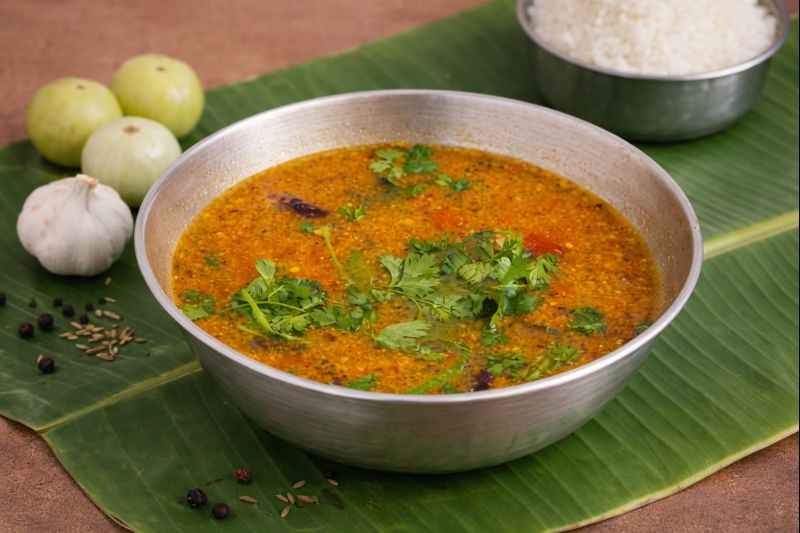
Mint rasam is one of those recipes that instantly refreshes both the body and mind. Whenever there is a bunch of fresh mint leaves sitting in the kitchen, many South Indian mothers and grandmothers turn them into this comforting rasam rather than letting them go to waste. The aroma of fresh mint simmering with tamarind and spices fills the kitchen with a wonderful fragrance that makes everyone eagerly wait for mealtime.
What makes Mint Rasam special?
- Prepared using fresh mint leaves (pudina).
- Has a refreshing aroma and soothing flavor.
- A delicious way to use fresh mint leaves at home.
- The freshness of mint blends beautifully with tamarind and spices.
- Light, flavorful, and perfect for days when you want something simple and comforting.
- Tastes especially delicious with hot steamed rice and crispy appalam.
👉 Read the full recipe: Mint Rasam Recipe
5. Kollu Rasam (Horse Gram Rasam)
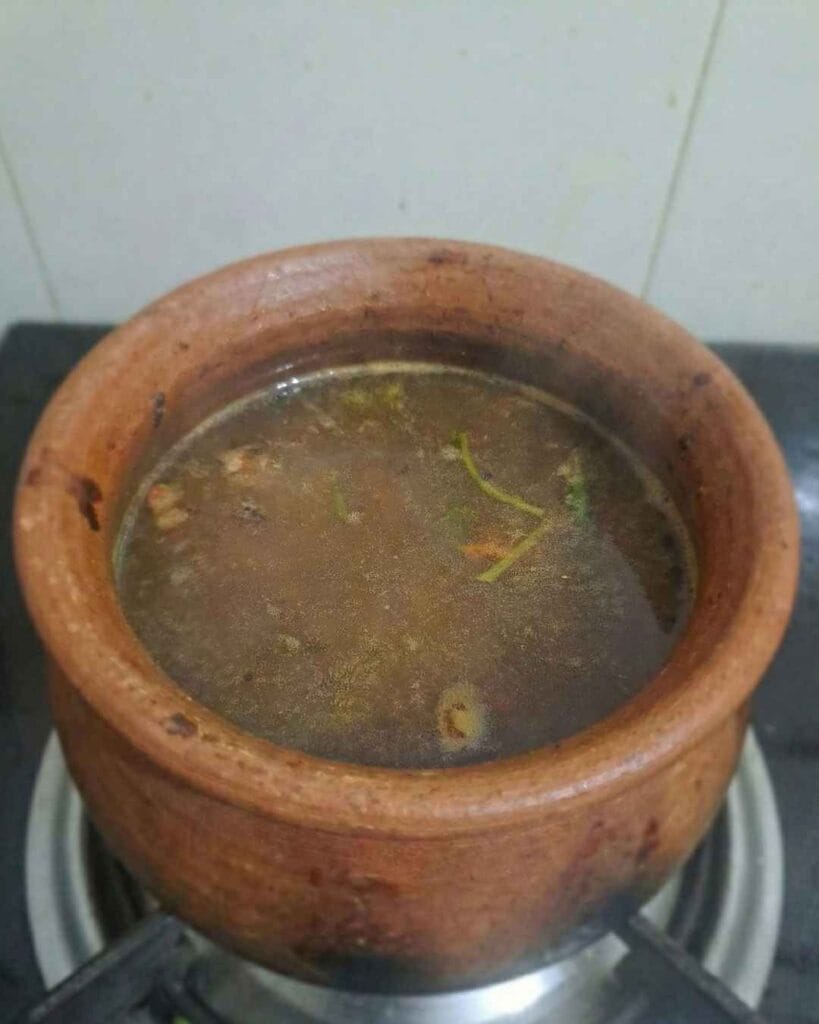
Kollu (horse gram) has been considered a healthy and medicinal ingredient for generations in many South Indian households. What makes kollu rasam truly special is that a single ingredient can be used to prepare two delicious dishes at the same time.
After cooking the horse gram, the flavorful Kollu water, is reserved to prepare comforting kollu rasam, while the cooked horse gram itself is turned into kollu paruppu, which can be served as a side dish or even enjoyed as a main dish along with rasam. This traditional practice is still followed in many homes, especially in the Kongu region, where kollu rasam and kollu paruppu are much-loved family favorites.
What makes Kollu Rasam special?
- Prepared using horse gram (kollu), a traditional South Indian ingredient.
- One ingredient is used to prepare both kollu rasam and kollu paruppu.
- The broth from cooked horse gram gives the rasam a unique earthy flavor.
- A popular traditional dish in Kongu-style cooking.
- Tastes incredibly delicious with hot steamed rice and a simple vegetable side dish.
- A wholesome and comforting meal enjoyed by many families for generations.
👉 Read the full recipe: Kollu Rasam
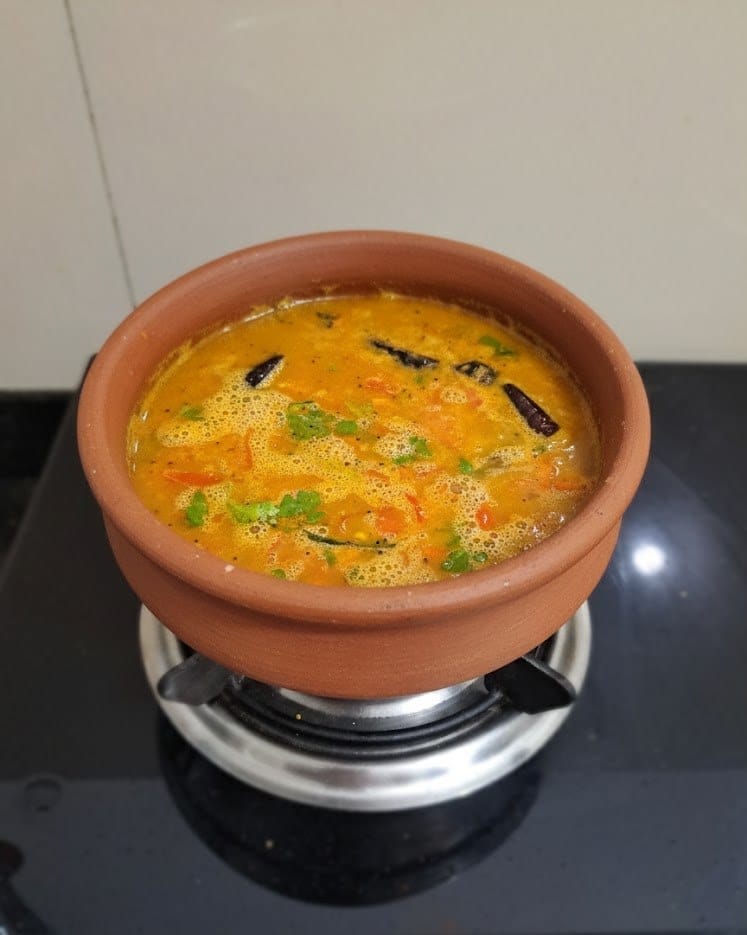
6. Lemon Rasam
Lemon rasam is one of the simplest yet most flavorful rasam varieties prepared in South Indian homes. Fresh lemon juice is added at the very end of cooking, which gives this rasam its refreshing taste and aroma. While some families prepare lemon rasam without tamarind, others prefer adding a little tamarind for extra tanginess.
The unique flavor of lemon blended with herbs and spices can easily turn a simple meal into a delicious one. Served with hot steamed rice, a flavorful thogayal, vegetable poriyal, or even a simple egg omelette, lemon rasam makes for a comforting and satisfying meal.
What makes Lemon Rasam special?
- Fresh lemon juice is added at the end of cooking.
- Some families prepare it with tamarind, while others skip it completely.
- Has a refreshing and unique citrus flavor.
- Quick and easy to prepare with simple pantry ingredients.
- Tastes delicious with thogayal, poriyal, or a simple egg omelette.
- A perfect rasam for days when you want a light and comforting meal.
7. Mysore Rasam
Mysore rasam is a rich and flavorful rasam variety that is loved across many South Kitchen. Unlike everyday rasam, Mysore rasam is prepared with freshly roasted spices and coconut, which gives it a unique taste and aroma. This special rasam is often prepared during festivals, family gatherings, or on weekends when there is a little extra time for cooking.
The delicious aroma of roasted spices simmering in the rasam makes the entire kitchen smell heavenly. Served with hot steamed rice, papad, and a simple vegetable side dish, Mysore rasam can easily turn an ordinary meal into a festive one.
What makes Mysore Rasam special?
- Prepared using freshly roasted spices and coconut.
- Has a rich, aromatic, and slightly thick texture.
- More flavorful than regular everyday rasam.
- Often prepared during special occasions and family gatherings.
- The roasted spice mixture gives this rasam its signature taste.
- Tastes delicious with hot steamed rice, papad, and vegetable poriyal.
8. Pineapple Rasam
Pineapple rasam is one of those special rasam varieties that surprises everyone with its unique taste. The natural sweetness of pineapple blends beautifully with the tanginess of tamarind and the warmth of freshly ground spices, creating a delicious balance of flavors.
In many South Indian kitchen, pineapple rasam is often prepared during festivals, special occasions, or family gatherings. Its sweet, tangy, and spicy taste makes it stand out from regular everyday rasam. A bowl of hot pineapple rasam served with steamed rice can instantly make any meal feel festive and memorable.
What makes Pineapple Rasam special?
- Prepared using fresh pineapple pieces.
- Has a unique combination of sweet, tangy, and spicy flavors.
- Often prepared during festivals and special occasions.
- The sweetness of pineapple gives this rasam a distinctive taste.
- Makes an ordinary meal feel festive and special.
- Tastes delicious with hot steamed rice and crispy appalam.
9. Buttermilk Rasam (Mor Rasam)
Mor rasam, also known as buttermilk rasam, is a refreshing and comforting dish enjoyed in many South Indian homes, especially during the summer months. Unlike regular rasam, this version is prepared with buttermilk, which gives it a mild tangy taste and creamy texture.
On hot summer afternoons, when heavy meals feel too much, a bowl of mor rasam served with hot steamed rice can be incredibly soothing. The gentle flavors of buttermilk, spices, and curry leaves come together to create a light yet satisfying meal that many families have enjoyed for generations.
What makes Mor Rasam special?
- Prepared using fresh buttermilk or curd.
- Has a mild, tangy, and refreshing taste.
- A popular summer dish in many South Indian households.
- Light on the stomach and perfect for hot weather.
- The aroma of curry leaves and tempering adds wonderful flavor.
- Tastes delicious with steamed rice, vegetable poriyal, and appalam.
Essential Ingredients Used in Rasam
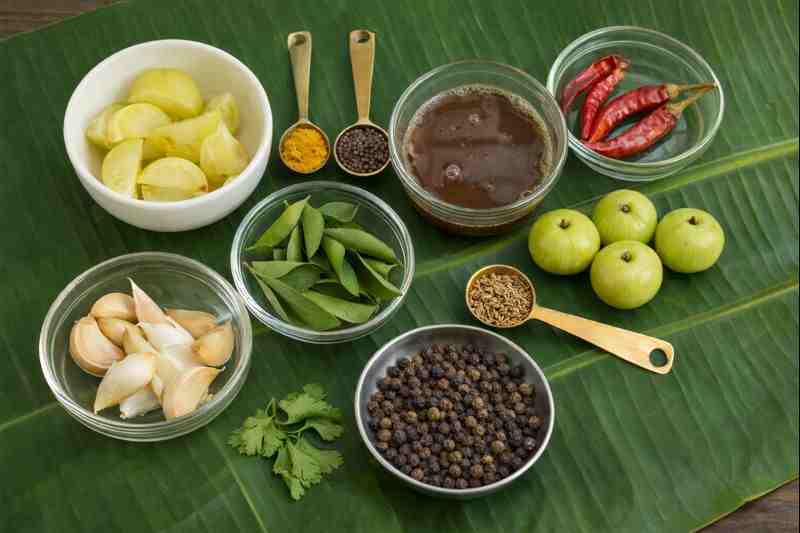
One of the reasons rasam has remained a staple in South Indian kitchens for generations is because it can be prepared using simple pantry ingredients. Although there are many different types of rasam, a few ingredients remain common in almost every recipe. These everyday ingredients not only add flavor and aroma but also make rasam a comforting and nourishing dish.
| Ingredient | Why It Is Used in Rasam |
|---|---|
| Tamarind | Gives rasam its signature tangy taste and forms the base for most rasam recipes. |
| Tomatoes | Adds natural sweetness, color, and enhances the overall flavor of the rasam. |
| Black Pepper | Provides warmth and spice, making rasam flavorful and comforting. |
| Cumin Seeds | Adds aroma and a distinct earthy flavor to the rasam. |
| Garlic | Gives depth of flavor and is commonly used in many traditional rasam recipes. |
| Curry Leaves | Adds a fresh South Indian aroma and enhances the taste of the dish. |
| Coriander Leaves & Stems | Used for garnish and freshness; both leaves and stems add wonderful flavor. |
| Green Chillies | Adds mild heat and balances the tanginess of the rasam. |
| Dry Red Chillies | Gives spice and enhances the flavor of tempering. |
| Asafoetida (Hing) | Adds a unique aroma and is widely used in traditional South Indian cooking. |
| Turmeric Powder | Adds color and a mild earthy flavor to the rasam. |
| Mustard Seeds | Commonly used for tempering, adding flavor and aroma. |
The beauty of rasam lies in its simplicity. By combining these everyday ingredients in different ways, families have created countless rasam varieties over the years, each with its own unique taste and tradition.
Tips for Making Perfect Rasam
Whether you are making a simple tomato rasam or a flavorful pepper rasam, a few simple tips can make all the difference. Here are some useful tips to help you prepare delicious homemade rasam every time.
- Always use freshly crushed pepper and cumin for the best aroma and flavor.
- Do not overboil the rasam after adding the tempering, as it may lose its fresh taste and aroma.
- Add coriander leaves at the end to retain their freshness.
- If using lemon juice, always add it after switching off the flame to preserve its flavor.
- Allow the rasam to simmer gently rather than boiling vigorously.
- Adjust the tamarind, spice, and salt according to your family’s taste preferences.
- For a richer flavor, add a spoonful of cooked toor dal or dal water.
- A final tempering with mustard seeds, curry leaves, and ghee can elevate the taste of any rasam.
- Rasam tastes even more comforting when served hot with steamed rice and crispy appalam.
FAQs for Healthy Rasam Recipes
Which side dishes go well with rasam?
Rasam pairs beautifully with steamed rice, appalam, poriyal, thogayal, potato fry, and even a simple omelette.
Which rasam is best for cold and cough?
Pepper garlic rasam is one of the most commonly prepared rasam varieties during cold and cough. The warmth of black pepper, garlic, and spices makes it a comforting choice.
Is rasam healthy?
Yes, rasam is prepared using ingredients such as pepper, cumin, garlic, tamarind, and herbs, making it a wholesome and nourishing dish enjoyed in many South Indian homes.
Can I drink rasam as soup?
Yes. Rasam can be enjoyed as a hot soup or served with steamed rice as part of a meal
What is the difference between rasam and sambar?
Rasam is thinner in consistency and is mainly prepared with tamarind, tomatoes, and spices, whereas sambar is thicker and usually contains lentils and vegetables.
Final Thoughts
Rasam is not just a bowl of soup; it is an emotion for many South Indians. It is a traditional dish that has been lovingly prepared and enjoyed for generations. From young children to grandparents, rasam remains a comforting food that brings families together around the dining table.
Whether it is served on a rainy day, during cold weather, or even on a hot summer afternoon, a bowl of hot rasam never fails to comfort and satisfy. For many families, rasam is more than just food—it is a part of childhood memories, family traditions, and home-cooked meals shared with loved ones.
Deeply rooted in South Indian culinary traditions, rasam continues to hold a special place in every kitchen, proving that simple ingredients can create the most comforting and memorable meals.
Have you tried this ?
Which rasam variety have you tried, and what is the special rasam recipe from your city or region? We’d love to hear your family traditions and favorite rasam memories.
Leave a comment below and share your experience with us. You can also tag us on Instagram @indianrecipestoday so we can see your delicious creations.
Don’t forget to subscribe to our newsletter for more traditional South Indian recipes, cooking tips, and seasonal food guides delivered straight to your inbox.
Happy Cooking! 🍲❤️