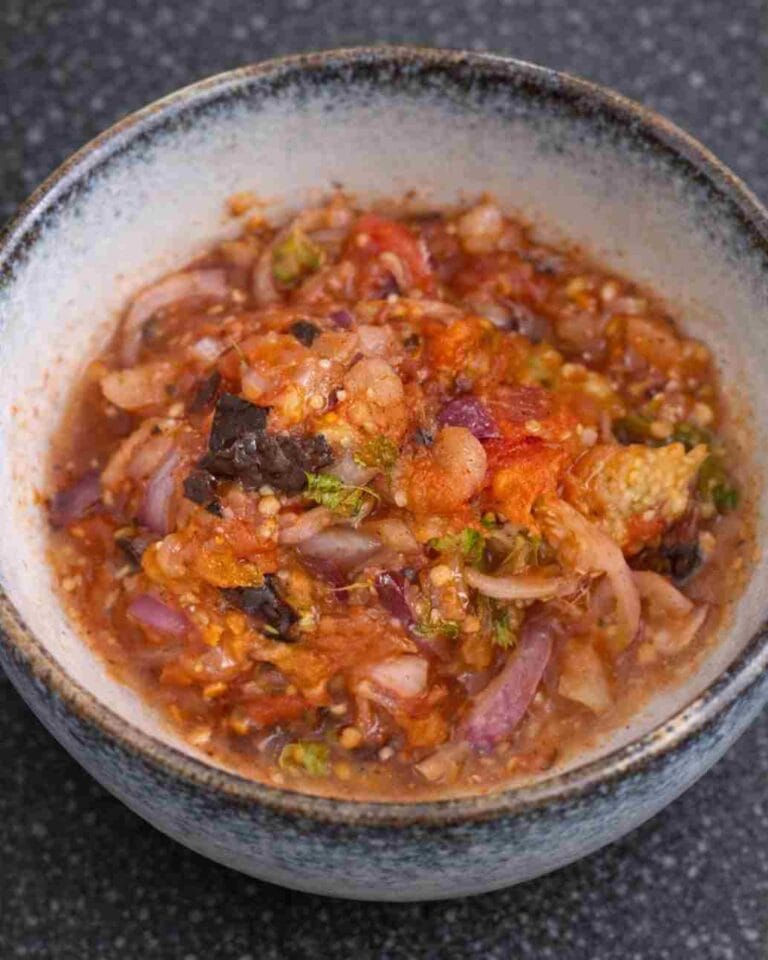
Kullakar Rice Kanji Powder Recipe | Traditional Healthy Kanji Mix
Kullakar rice kanji powder is a simple and traditional healthy recipe made using native Kullakar rice. This homemade kanji mix is easy to prepare and can be stored for making quick healthy meals anytime.
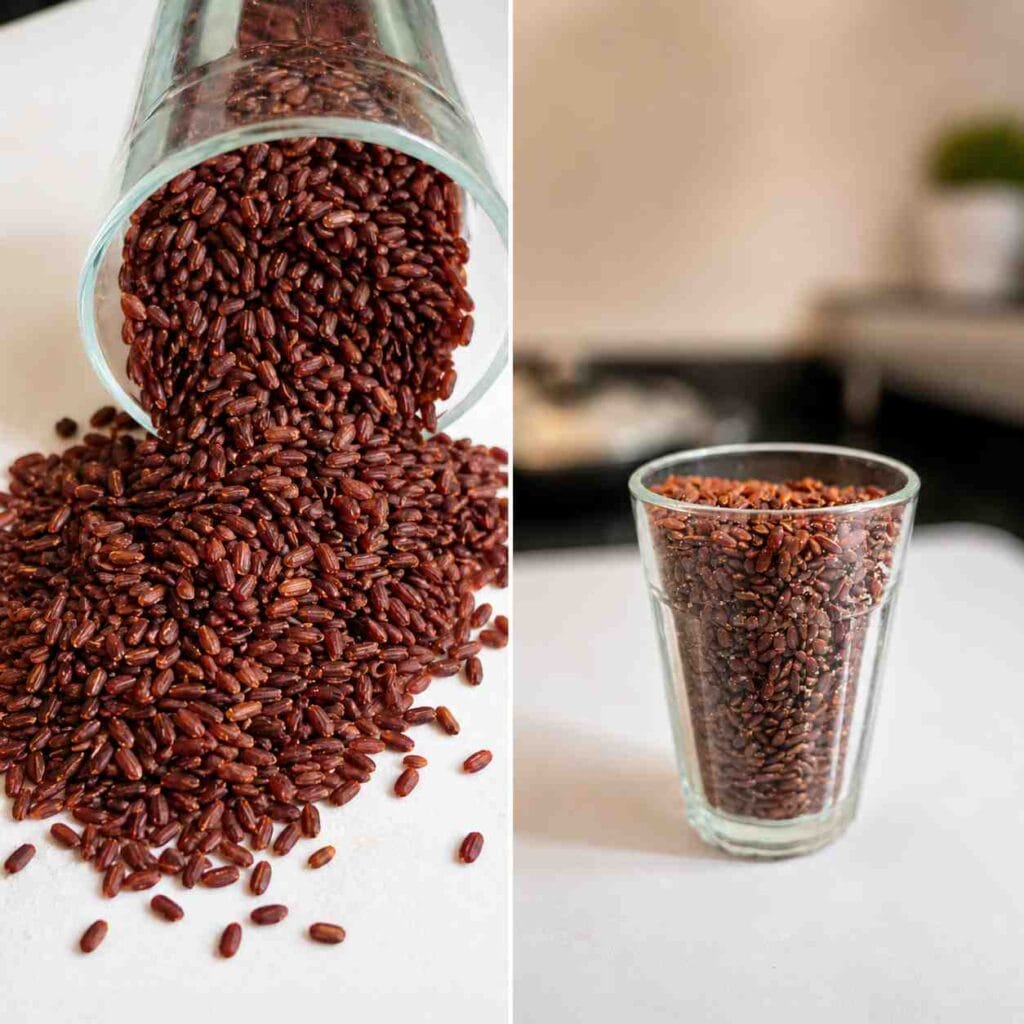
I bought this traditional Kullakar rice during my trip to Tanjavur, a district well known for its native rice varieties and traditional food culture. Since this rice is considered healthy and nourishing, I wanted to prepare it in a more traditional way. Usually, instead of making idli or dosa with traditional rice, I prefer making kanji or puttu because I personally feel that is one of the best and simplest ways to enjoy these native rice varieties.
That is why I prepared this homemade Kullakar rice kanji powder, which makes preparing kanji much faster and easier on busy days.
I personally love making this powder at home because it needs only one ingredient and very little effort. The soaking and light roasting bring out a beautiful aroma while also helping the rice grind more easily. The final coarse texture gives the kanji a comforting, filling, and traditional feel when cooked.
This traditional kanji powder is perfect for busy mornings, light dinners, recovery days, or whenever you want something warm and gentle for the stomach. Since Kullakar rice is naturally rich in fiber and nutrients, this healthy South Indian breakfast also feels wholesome and satisfying.
You can pair this kanji with simple homemade dishes like Siru Keerai Masiyal for a wholesome traditional meal.
Benefits of Kullakar Rice
Kullakar rice is a traditional native red rice variety known for its rich nutritional value and wholesome nature. This ancient rice has been used in traditional South Indian cooking for generations and is often preferred for preparing healthy meals like kanji, puttu, and simple rice dishes.
1.Rich in Fiber
Kullakar rice naturally contains fiber, which helps you feel full for a longer time and supports healthy digestion.
2.Traditionally Considered Good for Digestion
Many people prefer using Kullakar rice for kanji because it feels light, comforting, and gentle on the stomach, especially during recovery days or simple meal routines.
3.Naturally Filling and Satisfying
Since this traditional rice is less processed compared to regular polished rice, it gives a more wholesome and satisfying feeling after meals.
4.Traditional South Indian Healthy Food
Kullakar rice has been part of traditional South Indian food culture for many years and is commonly used in homemade healthy recipes.
5.Suitable for Simple and Healthy Meals
This native rice is often used for preparing kanji, porridge, puttu, and other traditional recipes because of its earthy taste and comforting texture.
6.Rich Traditional Rice Variety
Kullakar rice is known for its beautiful reddish color and traditional nutritional value, making it popular among people looking for native rice alternatives.
This traditional kanji powder is perfect for light meals and can also be paired with comforting drinks like homemade Sukku Malli coffee.
For more information about the nutritional value and traditional uses of Kullakar rice, you can read the detailed guide on Kullakar rice nutrition and benefits.
What is Kanji Powder?
Kanji powder is a traditional homemade porridge mix made by roasting and grinding rice or grains into a coarse powder. It is usually cooked with water to make a warm, comforting, and easy-to-digest kanji (porridge).
Traditional kanji powder is commonly prepared using native rice varieties like Kullakar rice and is often used for healthy breakfasts, light dinners, recovery meals, and simple everyday food. It can be stored for weeks and helps prepare kanji quickly whenever needed.
Why You Will Love This Kullakar Rice Kanji Powder
- Made with just one ingredient
- Traditional and healthy recipe
- Easy to store and use anytime
- Beginner-friendly preparation
- Perfect for light and comforting meals
- No preservatives or additives
If you enjoy traditional homemade recipes, you can also try this healthy curry leaves laddu recipe.
Ingredients Required for Homemade Kanji Powder
- 250 grams Kullakar rice
How to Make Kullakar Rice Kanji Powder
Step 1 – Wash the Kullakar Rice
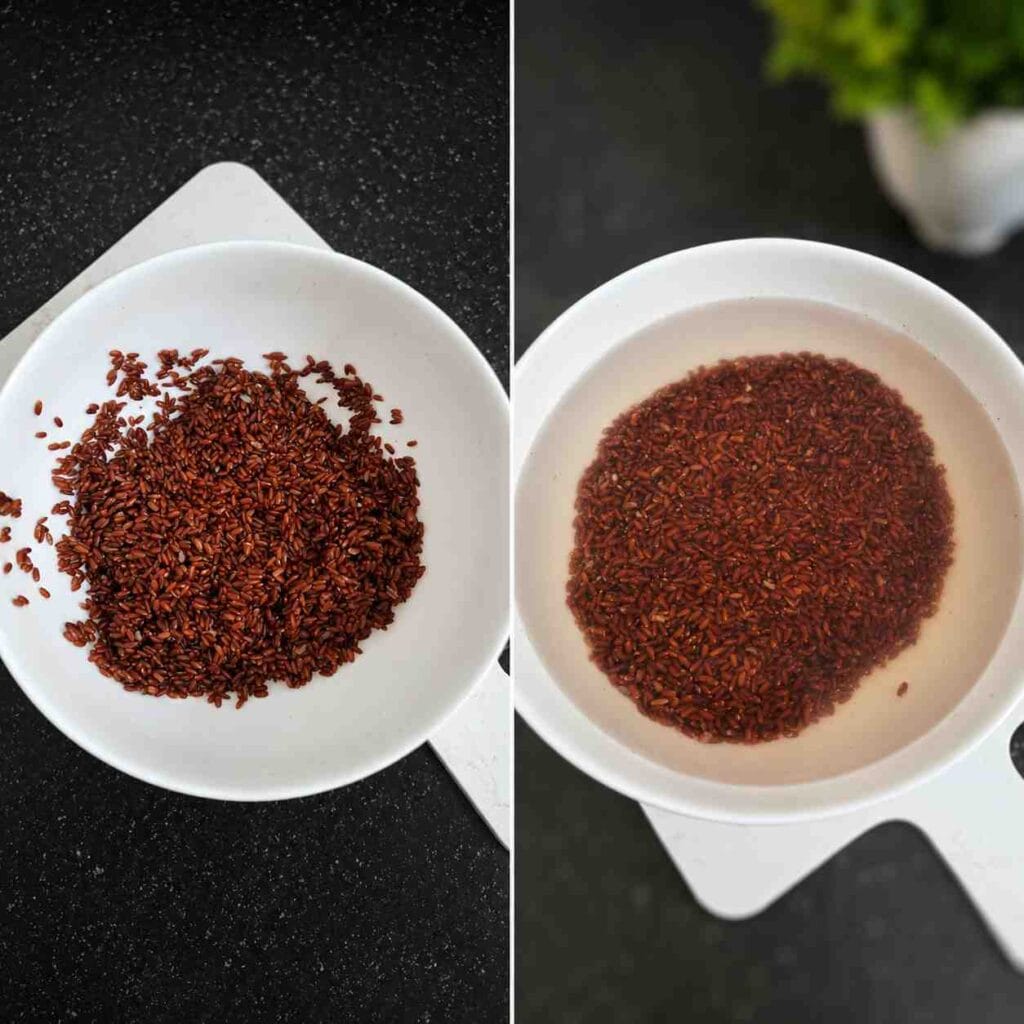
- Take 250 grams of Kullakar rice and wash it thoroughly 4 to 5 times in water until the water looks cleaner. Washing helps remove dust, excess starch, and impurities from the traditional rice.
Step 2 – Soak the Rice
- Add enough water and soak the washed Kullakar rice for around 8 hours. Soaking helps soften the rice naturally, making it easier to roast and grind later. It also helps improve the texture of the final kanji powder.
Step 3 – Drain and Partially Dry
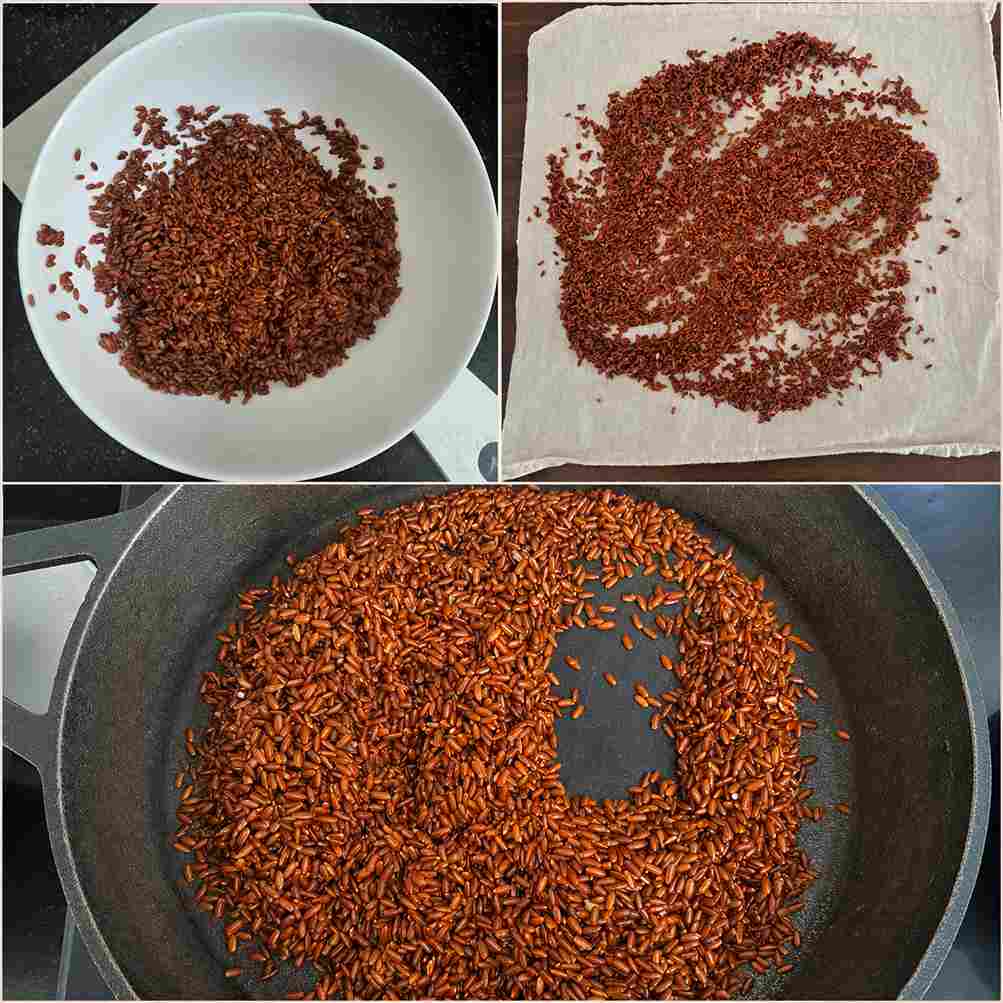
- Drain the water completely and spread the soaked rice evenly on a clean cotton cloth. Allow the rice to rest for around 15 minutes so the excess surface moisture dries slightly before roasting.
Step 4 – Dry Roast the Rice
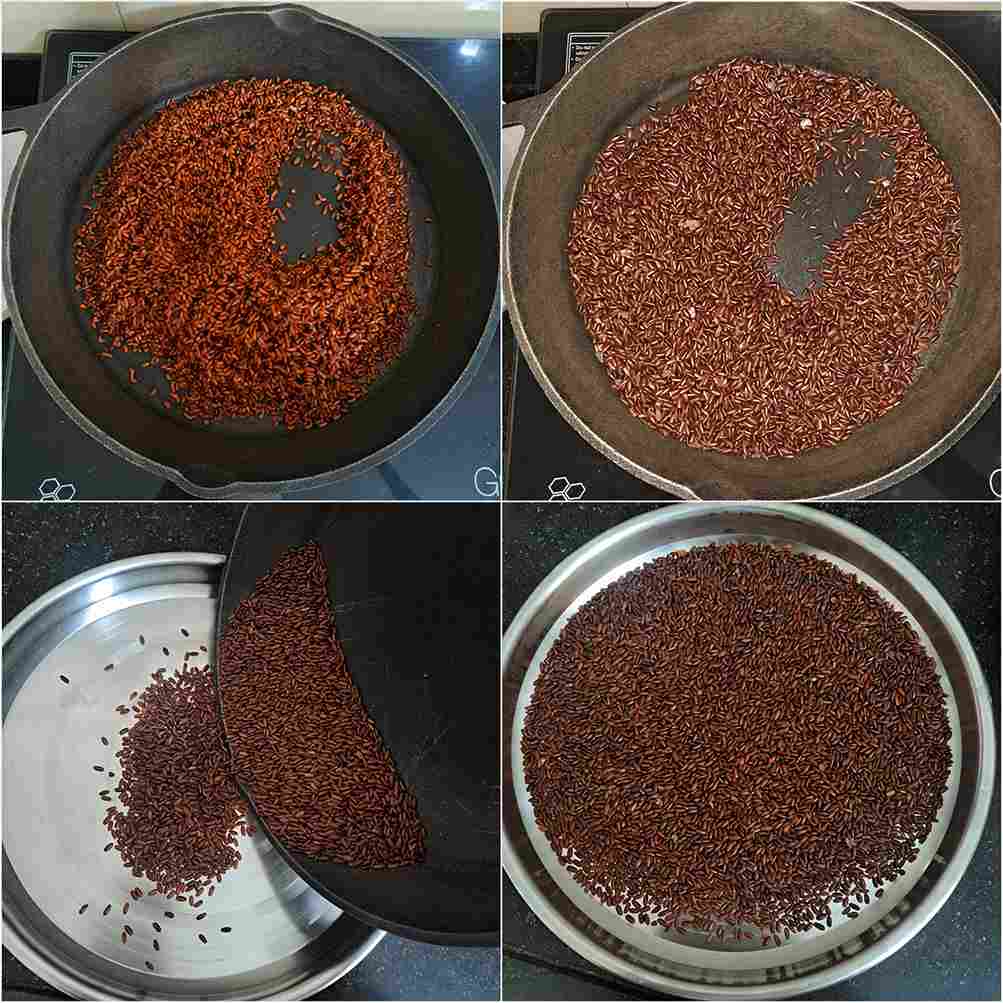
- Transfer the partially dried Kullakar rice to a heavy pan and roast on low to medium heat for around 15 minutes. Stir continuously to avoid burning.
- The goal is not to deeply roast the rice, but to slowly remove the remaining moisture. As the rice roasts, you will notice a light traditional aroma developing.
- Do not over-roast or change the color of the rice too much.
Step 5 – Cool Completely
- Once the moisture is fully removed, transfer the roasted rice to a plate and allow it to cool completely at room temperature. Cooling is important because grinding hot rice may create moisture inside the mixer jar.
Step 6 – Grind into Coarse Kanji Powder
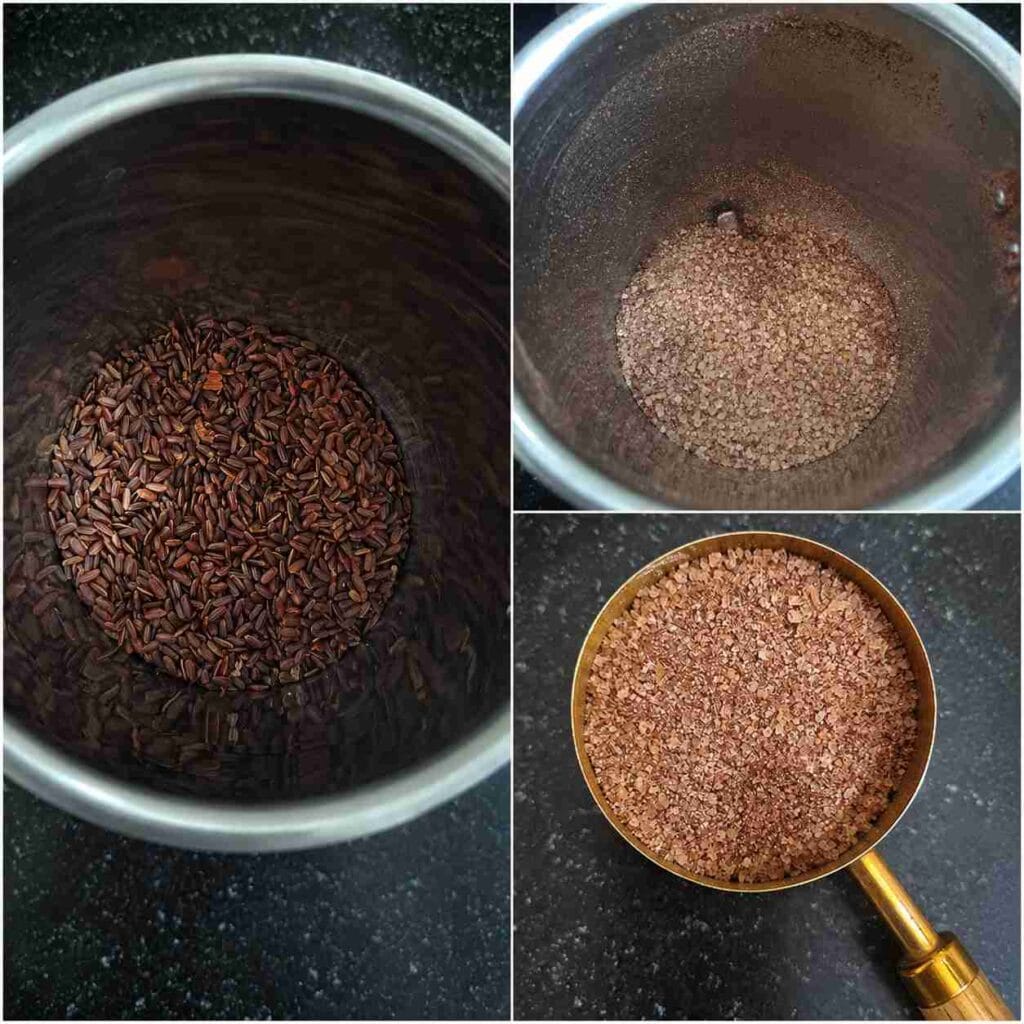
- Add the cooled roasted rice to a mixer jar and grind using pulse mode.
- Do not grind the rice into a very fine flour. Traditional kanji powder should have a slightly coarse texture, which gives the kanji a more comforting and authentic consistency after cooking.
Step 7 – Store the Kanji Powder
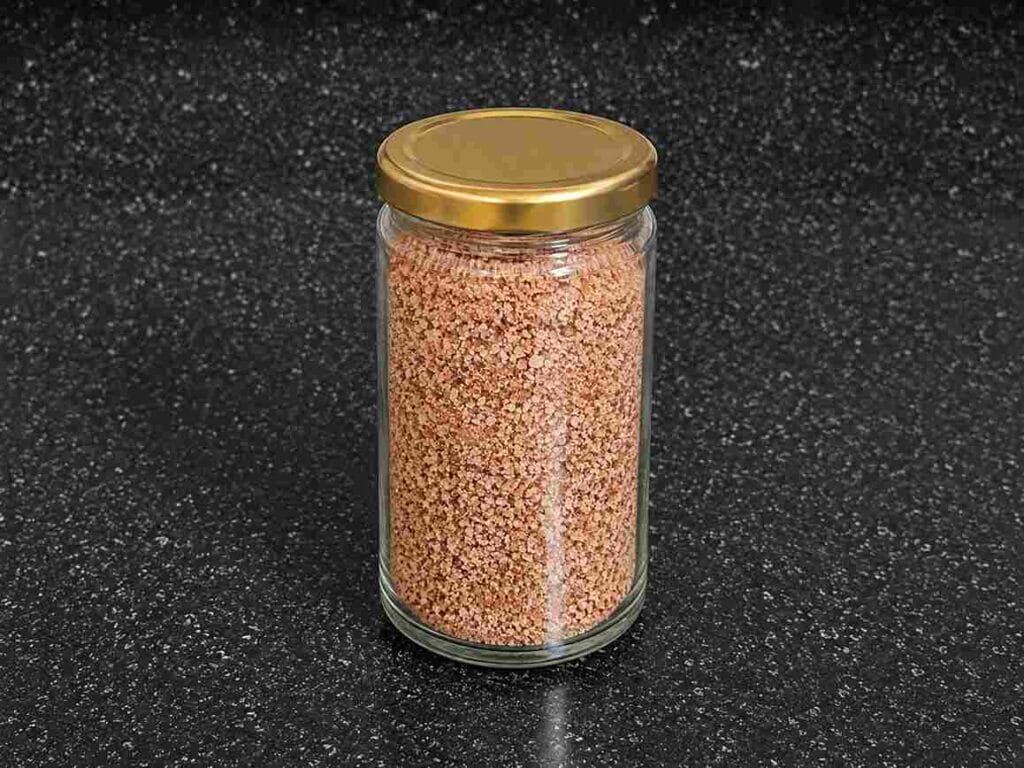
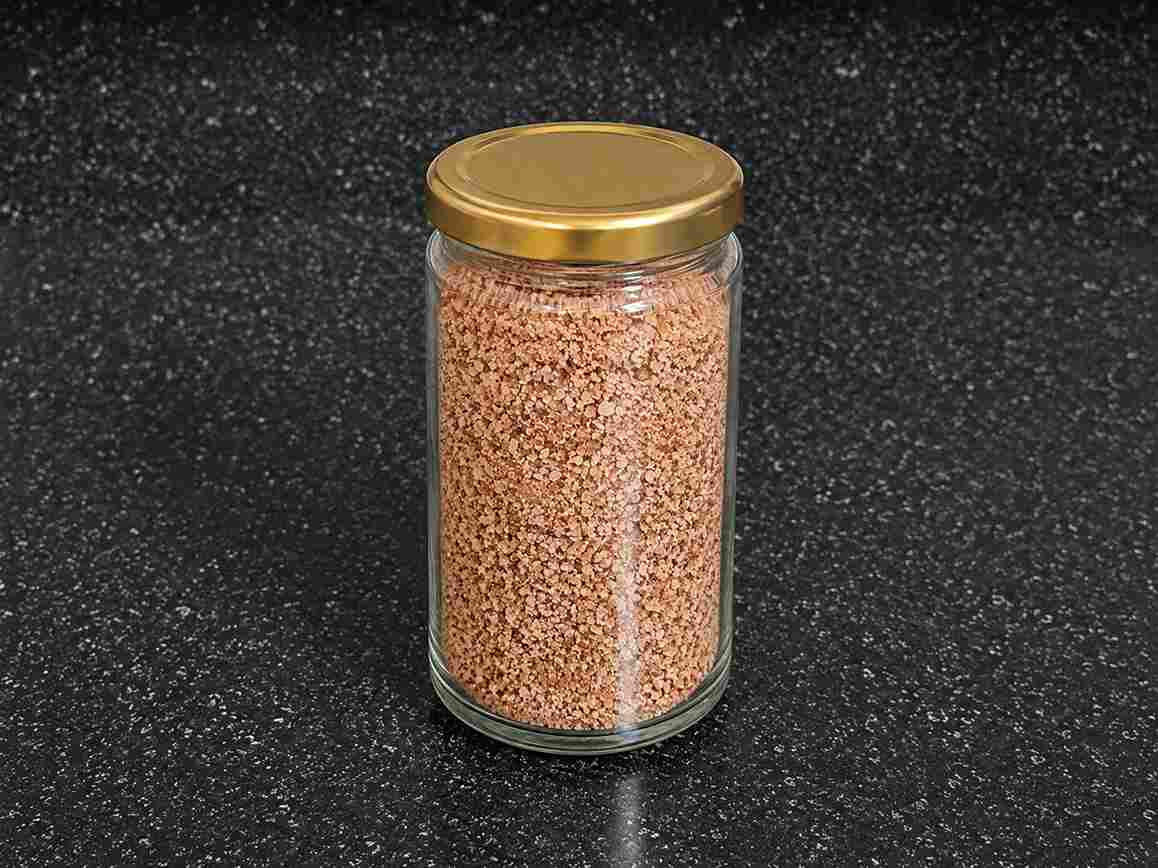
- Transfer the prepared Kullakar rice kanji powder to a clean airtight glass jar or container.
- Store in a cool and dry place. This homemade traditional kanji mix can be used anytime to quickly prepare healthy kanji for breakfast or light meals.
Note: Before storing the kanji powder in a glass jar, make sure it has cooled completely. The heat from grinding can create moisture inside the container if closed immediately.
Tips for Homemade Kanji Powder
- Use pulse mode while grinding for coarse texture.
- Store in a dry airtight container.
- Always use a dry spoon while handling the powder.
- You can use this powder to prepare quick healthy kanji anytime.
If you love traditional rice-based recipes, you may also enjoy this Varagu Arisi prawn biryani.
Kullakar Rice Kanji Powder
Ingredients
Equipment
Method
- Wash the Kullakar rice thoroughly 4 to 5 times until the water becomes cleaner.
- Soak the rice in enough water for around 8 hours.
- Drain the water completely and spread the soaked rice on a cotton cloth for 15 minutes to remove excess moisture.
- Transfer the rice to a pan and dry roast on low to medium heat for around 15 minutes until the moisture disappears completely.
- Allow the roasted rice to cool fully.
- Add the cooled rice to a mixer jar and grind using pulse mode into a slightly coarse powder.
- Cool the powder completely before transferring to an airtight glass jar.
Notes
- Do not grind into fine flour.
- Slightly coarse texture gives better kanji consistency.
- Roast gently without burning the rice.
- Cooling before storage helps avoid moisture formation.
Similar to traditional recipes like Vendhaya Kali, this kanji powder is often preferred for simple and comforting meals.
FAQs for Kullakar Rice Kanji Powder
How long can homemade kanji powder be stored?
Homemade Kullakar Rice Kanji Powder can usually be stored for around 6 month in an airtight container kept in a cool and dry place.
Can I skip roasting while making kanji powder?
Yes, if you are preparing the kanji powder for immediate use or instant kanji, you can skip roasting. However, if you plan to store the powder for a longer time, it is better to roast the rice before grinding. You can also lightly roast the powder after grinding, cool it completely, and then store it in an airtight container.
Why is the rice soaked before roasting?
Soaking helps soften the rice naturally and improves the texture after grinding. It also helps the rice roast evenly while preparing the kanji powder.
Tried This Kullakar Rice Kanji Powder?
If you try this traditional homemade kanji powder recipe, let me know how it turned out in the comments below. I would love to hear your experience and how you prepared your kanji at home.
You can also share your recipe photos with us on Instagram at @indianrecipestoday.
And don’t forget to subscribe to our newsletter for more traditional South Indian recipes, healthy breakfast ideas, and homemade food recipes.
Happy Cooking!